

Global warming, a term that has become entrenched in contemporary discourse, encapsulates a phenomenon with far-reaching implications for our planet. At its core, global warming refers to the gradual increase in Earth’s average surface temperature due to the accumulation of greenhouse gases in the atmosphere. This pervasive issue permeates various spheres of life, from the environmental to the economic, compelling societies worldwide to confront its ramifications.
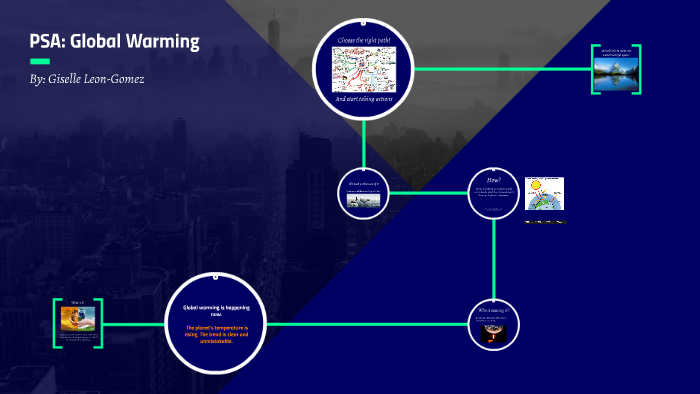
One compelling way to engage the public on this critical subject is through Public Service Announcements (PSAs), which communicate vital information succinctly. A well-crafted PSA can elucidate the complexities of global warming in just sixty seconds. Such an approach is imperative, as it capitalizes on the finite attention span of modern audiences, effectively distilling vital information into a digestible format.
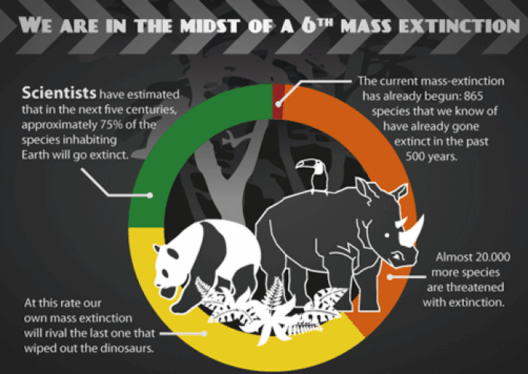
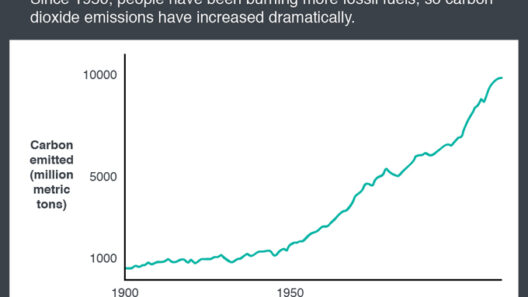
As we delve into the multifaceted nature of global warming, one must first acknowledge the prevailing observation that climate change is an escalating concern. Glacial retreat, erratic weather patterns, and unprecedented natural disasters have become more frequent, stirring a sense of urgency. However, the underlying reasons for this phenomenon extend beyond mere observations. At the crux of global warming lies humanity’s insatiable appetite for fossil fuels, which significantly contributes to carbon emissions.
The PSA should commence with an arresting visual: polar ice caps, once majestic and resplendent, now receding at alarming rates. Accompanying visuals of extreme weather events—hurricanes intensifying, wildfires raging, and droughts crippling agricultural systems—can capture attention and elicit emotional responses. The interconnectedness of these effects prompts viewers to reflect on their implications—both immediate and long-term.
Furthermore, a brief but powerful statistic can encapsulate the urgency of the situation. For instance, the Intergovernmental Panel on Climate Change (IPCC) has projected that if global temperatures rise by 2 degrees Celsius above pre-industrial levels, the consequences would be catastrophic. This numerical representation serves as a tangible benchmark, allowing the audience to grasp the stakes involved. Such facts provide a foundation for viewers to contemplate their role in this planetary crisis.
Transcending mere data, the PSA should invoke a sense of collective responsibility. Highlighting human contributions to greenhouse gas emissions, such as industrial activities, deforestation, and agricultural practices, illustrates the profound relationship between anthropogenic actions and climate change. By employing a persuasive narrative that evokes a sense of agency, viewers are inspired to reconsider their lifestyles and practices.
However, it is crucial to juxtapose the negative implications with a narrative of hope. The PSA can showcase innovative solutions that have emerged in response to the climate crisis. Renewable energy sources, like solar and wind power, have surged in popularity, demonstrating humanity’s capacity for ingenuity and adaptability. As the audience observes communities transitioning to sustainable practices, they may feel encouraged to partake in this global movement.
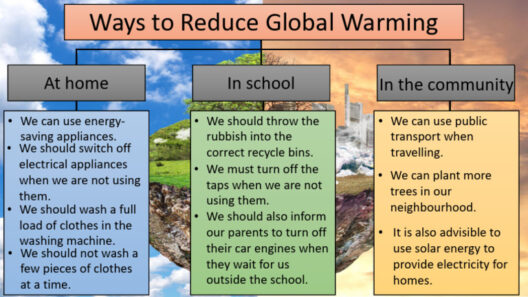
Emphasizing the significance of individual choices is paramount. Simple actions, such as reducing energy consumption, utilizing public transportation, and supporting local and sustainable products, can aggregate into substantial change. This grassroots approach fosters a sense of empowerment, reinforcing that every action, no matter how small, contributes to the larger picture.
Moreover, the PSA should address the intersectionality of global warming with social justice. Marginalized communities often bear the brunt of climate change impacts, highlighting the inequitable distribution of risks and resources. By shedding light on these disparities, the PSA can foster a more inclusive dialogue around climate action. This crucial aspect underlines that combating climate change is not merely an environmental imperative but also a moral one.
For deeper engagement, the PSA might end with a call to action, directing viewers to reputable organizations and initiatives they can join or support. This closing segment can galvanize individuals into collective action, fostering a sense of hope and solidarity in the face of adversity. Urging the audience to stay informed, participate in community initiatives, or advocate for policy changes can invigorate public participation in the fight against climate change.
To encapsulate, a sixty-second PSA addressing global warming holds immense potential to educate and activate diverse audiences. By juxtaposing alarming observations with enlightening information, it highlights the urgency of our climate predicament while simultaneously fostering a sense of empowerment and hope. Through graphics, statistics, and an appealing narrative, this PSA can illuminate the path towards informed action in the face of a looming global crisis.
In essence, tackling global warming is a monumental endeavor that necessitates collective awareness and action. As individuals progress from passive observers to informed participants, there remains an opportunity for significant societal transformation. The role of creative mediums, such as PSAs, in precipitating this transformation cannot be overstated. With clarity and conviction, the message must resonate: the time to act is now.