
Access to clean water remains a paramount challenge in the Central African Republic (CAR), a nation often characterized by its remarkable landscapes yet beleaguered with socio-economic adversities. Water, a vital element that sustains life, often feels like a mirage to many residents in this country. The journey toward securing this essential resource is laden with obstacles, but there is a flicker of hope through the efforts of communities and organizations striving for sustainable solutions.
At first glance, the Central African Republic may seem like a domain rich in natural beauty, with sprawling forests and breathtaking savannas. However, beneath this picturesque façade lies a grim reality. According to estimates, approximately half of the population lacks reliable access to clean and safe drinking water. This deficiency affects not only health but also the economic and social well-being of communities.
To comprehend the gravity of the situation, one must delve into the multifaceted causes underpinning the water crisis in CAR. The nation has been embroiled in political instability and violence for decades, which has disrupted infrastructure development. The scarcity of resources and the absence of effective governance further exacerbate the crisis, turning the fundamental need for water into a battleground for survival.
Geographical factors also play a significant role. The CAR is endowed with abundant freshwater sources, including rivers and lakes. Yet, these sources are often contaminated due to poor sanitation and inadequate waste management. It is a tragic irony where nature provides in abundance but, due to human mismanagement, becomes a source of illness instead of sustenance.
The health implications of this water crisis are dire. Waterborne diseases, such as cholera and dysentery, flourish in regions where access to clean water is limited. Children, particularly vulnerable, bear the brunt of these diseases, with mortality rates soaring in younger populations. In a cruel twist of fate, the very essence of life can become a death sentence when it is tainted with contaminants.
Educating communities about the importance of clean water is a pivotal aspect of addressing this crisis. Grassroots organizations have embarked on campaigns to inform residents about safe water practices, effectively turning concerned citizens into activists for change. Through education, communities are empowered to advocate for their rights, emphasizing that access to clean water is not a privilege but a fundamental human right.
In the face of adversity, the resilience of the Central African people shines through. Many communities have initiated local water management projects that exemplify innovative solutions tailored to their unique environments. For instance, rainwater harvesting systems have gained traction, enabling families to collect and store rainwater for drinking and sanitation purposes. This shift towards sustainable practices not only mitigates water scarcity but also reinforces community cohesion.
Another emerging solution is the enhanced collaboration between non-governmental organizations (NGOs) and local governments. By fostering partnerships, these entities can create a synergistic effect, integrating resources and expertise to develop comprehensive water supply systems. Distributing responsibilities ensures that local knowledge and needs are at the forefront of any initiative, reinforcing the concept that the community is best positioned to solve its own challenges.
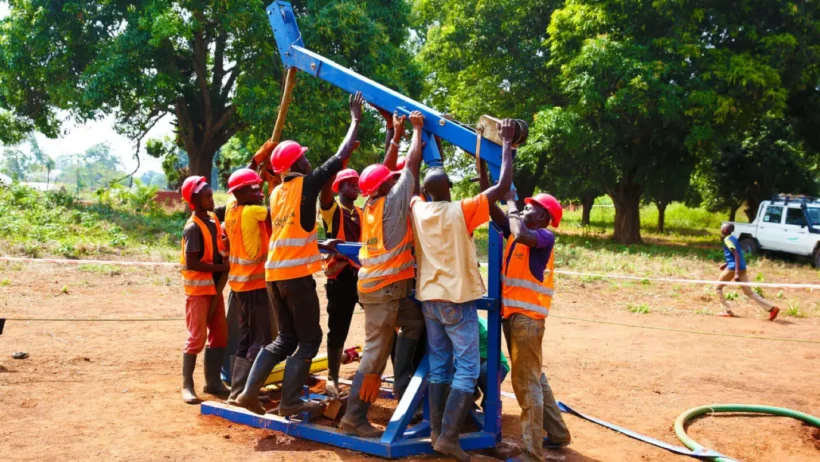
Additionally, drilling boreholes in appropriate locations has been a game changer for many remote villages. This groundwater extraction technique provides clean water for communities previously reliant on unsafe sources. Nonetheless, the sustainability of these boreholes hinges on proper maintenance and community involvement; without ongoing oversight, these resources can fall into disrepair, reiterating the imperative of participatory governance.
Moreover, the role of international agencies cannot be overlooked. By mobilizing resources and providing technical assistance, entities like UNICEF and the World Health Organization contribute significantly to improving water access in CAR. Their involvement underscores a critical point: addressing the water crisis is not solely a national issue; it requires a global response rooted in solidarity.
Nevertheless, there is an inherent tension in the spread of water access initiatives—too often, they are viewed through the lens of temporary measures rather than integral parts of long-term sustainability. As communities work towards improving their water situation, it is essential to frame these initiatives within a broader context of environmental stewardship and climate adaptability.
Climate change, a present-day specter, exacerbates water scarcity in the Central African Republic through unpredictable weather patterns and increased drought occurrences. Sustainable practices, such as environmental conservation and afforestation, become crucial allies in this battle for water. By promoting biodiversity and protecting natural ecosystems, communities can help ensure the longevity and purity of their water supplies.
To conclude, the quest for clean water in the Central African Republic is a nuanced narrative woven with threads of struggle, resilience, and potential solutions. While the challenges are formidable, the solutions lie within the hearts and minds of the people who call CAR home. Each step taken towards improving water access is a testament to human perseverance and ingenuity. In the end, it is not merely about water—it is about dignity, health, and the flourishing of lives. Access to clean water should not merely be a dream; it must become a reality for all.