

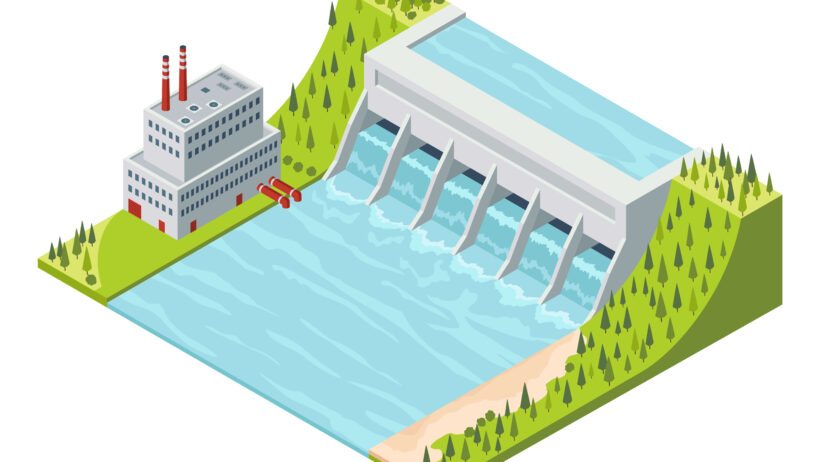

Hydroelectric power, an age-old energy source, has been harnessed for centuries. With the world’s ever-increasing energy demands and environmental concerns, the focus on renewable energy sources like hydropower has intensified. But have you ever considered the trade-offs? What advantages does this water-based energy generation offer, and what challenges does it pose? This comprehensive guide explores both the boons and banes associated with hydroelectric power.
Advantages of Hydroelectric Power
At first glance, the benefits of hydroelectric power seem almost overwhelming. What are the primary advantages that make it a favored choice among renewable energy sources? Let’s delve into the myriad of benefits.
1. Renewable Energy Source
Hydroelectric power is inherently renewable. Water, as a resource, is continuously replenished through the hydrological cycle. This makes hydroelectric generation a sustainable option compared to fossil fuels, which are finite and depleting.
2. Low Greenhouse Gas Emissions
One of the most significant advantages of hydropower is its minimal carbon footprint. Unlike fossil fuel plants that emit copious amounts of greenhouse gases, hydroelectric plants release negligible emissions during operation. This is a pivotal factor in the fight against climate change.
3. Cost-Effectiveness
Once a hydroelectric facility is established, the operational and maintenance costs are relatively low. Additionally, hydropower plants typically have high capacity factors, meaning they operate at or near maximum capacity more consistently than other energy sources.
4. Energy Storage and Reliability
Hydropower is exceptionally reliable. Reservoirs can store water, enabling energy production even during periods of low rainfall. This ability to generate electricity on demand adds to the stability of power grids, accommodating fluctuations in supply and demand.
5. Economic Growth and Job Creation
The construction and operation of hydroelectric plants foster local economic growth. They create jobs during construction and often result in long-term employment opportunities for maintenance and operation, paving the way for thriving communities.
6. Water Supply and Irrigation Benefits
In addition to generating electricity, reservoirs created by hydroelectric plants can serve multiple purposes: they provide a reliable water source for agricultural irrigation, improve local water supplies for residential areas, and even enhance recreational opportunities such as fishing and boating.
While the advantages are compelling, it’s crucial not to overlook the opposite side of the coin.
Disadvantages of Hydroelectric Power
As with any energy source, hydropower comes with its own set of challenges and overarching concerns. What are the potential drawbacks of this seemingly flawless renewable resource?
1. Ecological Disruption
One of the most significant criticisms of hydroelectric power is the disruption it causes to local ecosystems. Dams can significantly alter the flow of rivers, affecting aquatic habitats and the biodiversity that depends on them. Fish populations may dwindle, and migratory patterns can be severely impacted.
2. Land Displacement
The creation of large reservoirs often necessitates the flooding of vast land areas, leading to the displacement of communities and wildlife. This not only poses ethical questions regarding the right to relocate but also disrupts established social structures.
3. Methane Emissions
While hydroelectric plants have lower greenhouse gas emissions during operation, the decomposition of submerged vegetation in reservoirs can release significant amounts of methane, a potent greenhouse gas. This aspect complicates the narrative surrounding hydropower as a clean energy source.
4. Vulnerability to Climate Change
Climate change presents a dichotomy for hydropower generation. While hydropower relies on water availability, increasing variability in precipitation patterns can lead to droughts that reduce water flow. This vulnerability threatens the reliability of hydroelectric power as a long-term energy strategy.
5. High Initial Capital Cost
Establishing a hydroelectric power plant requires substantial upfront investment. The engineering challenges and lengthy permitting processes can delay project timelines, making it a less appealing option for immediate energy needs.
6. Dependence on Geography
The feasibility of hydroelectric power is largely dictated by geographical factors. Areas with suitable rivers and topography for dam construction are limited. Consequently, regions without natural watercourses may find it exceedingly difficult—if not impossible—to adopt hydropower systems.
Conclusion: The Path Forward
So, in weighing the advantages and disadvantages of hydroelectric power, what is the future of this renewable energy source? Clearly, it presents us with both remarkable opportunities and considerable challenges. As societies grapple with energy needs versus environmental preservation, the discourse surrounding hydroelectricity must remain nuanced. The focus should not solely be on harnessing energy but also on doing so responsibly, ensuring that the benefits are maximized while diminishing the potential detriments.
Ultimately, the evolution of hydropower must be rooted in sustainable practices, comprehensive assessments of ecological impacts, and community engagement, making it a viable player in the global energy transition.