

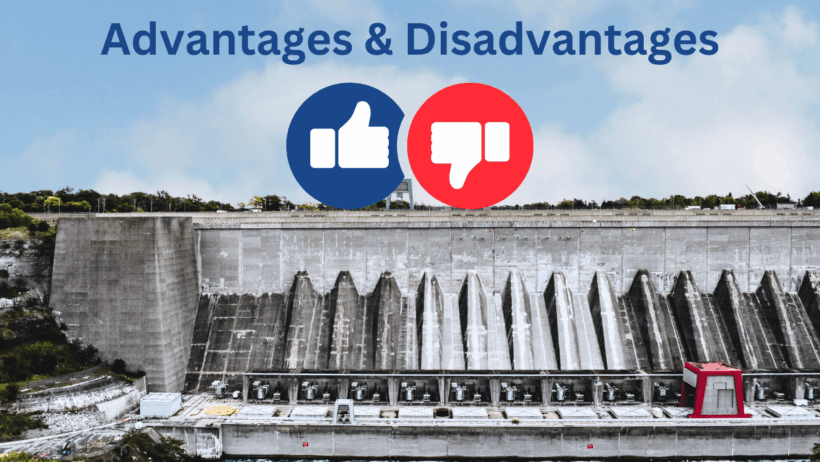

Hydroelectric power has emerged as a prominent renewable energy source, and its allure lies not merely in its capacity to generate electricity, but also in the broader implications it holds for sustainable development. As the world grapples with the existential threats posed by climate change, understanding the advantages and disadvantages of hydroelectric energy becomes crucial in framing our energy landscapes. This comprehensive examination will traverse both sides, illuminating the promise of hydroelectric power while candidly addressing the challenges it presents.
Understanding Hydroelectric Energy
At its core, hydroelectric energy harnesses the kinetic energy of flowing water to produce electricity. Traditionally, this process involves constructing dams along large rivers where water flow can be regulated and converted into electrical energy. The act of redirecting and controlling water flow is an ancient practice, but its implications for modern energy production are both profound and complex.
Advantages of Hydroelectric Power
Undoubtedly, hydropower offers numerous advantages that contribute to its appeal in the contemporary energy landscape.
1. Renewable and Sustainable Source
One of the most compelling attributes of hydropower is its classification as a renewable energy source. Once a dam is constructed, the ongoing water cycle allows for a continuous supply of energy. Unlike fossil fuels, which are finite and contribute to environmental degradation through their extraction and consumption, hydroelectric systems can theoretically operate indefinitely as long as water flows persist.
2. Low Greenhouse Gas Emissions
Hydroelectric power generation is remarkably efficient when it comes to greenhouse gas emissions. Unlike coal and natural gas, hydroelectric plants do not emit carbon dioxide during energy production, making them a vital player in mitigating climate change. In fact, a well-operating hydroelectric facility can significantly reduce a country’s carbon footprint, while enhancing energy security.
3. Economic Benefits
The construction and operation of hydroelectric plants can prompt substantial economic development. Job creation during the construction phase, alongside ongoing employment in maintenance and operation, can revitalize local economies. Beyond direct employment, the stability of hydropower also translates to lower energy costs for consumers, fostering economic growth and reliability in energy prices.
4. Water Storage and Management
Dams often double as reservoirs, which not only provide a platform for energy generation but also serve as crucial water storage facilities. This dual functionality can support agriculture and provide domestic water supplies during periods of drought. Additionally, they play a critical role in flood control, allowing water to be released in a managed manner to mitigate the risk of extreme weather events.
5. Scalability and Versatility
Hydroelectric power facilities can be developed on various scales, from large-scale dams that generate significant electricity to small run-of-the-river plants that have less environmental impact. This adaptability means that hydroelectric power can serve diverse regions and communities, making it a versatile option for energy production across different geographical contexts.
Disadvantages of Hydroelectric Power
However, like any major energy source, hydroelectric power is not without its imperfections. The following disadvantages must also warrant careful consideration.
1. Environmental Impact
The most significant criticism of hydroelectric projects revolves around their environmental consequences. Building large dams can lead to the displacement of communities and wildlife, drastically altering ecosystems. The creation of reservoirs inundates vast tracts of land, submerging flora and fauna, disrupting existing habitats, and impacting biodiversity. These ecological changes can have long-lasting repercussions on both local and global scales.
2. Risk of Drought
Hydropower’s reliance on water flows renders it vulnerable to climate variability. During periods of drought, water levels may dwindle, significantly affecting energy production. This dependency can lead to fluctuating energy supplies, challenging the reliability that hydroelectric power otherwise promises.
3. High Initial Investment
Constructing hydroelectric power plants entails substantial initial costs. The engineering, environmental assessments, and regulatory approvals required can push project budgets into the hundreds of millions or even billions of dollars. This formidable financial barrier can deter investment and slow the transition toward renewable energies in cash-strapped regions.
4. Sedimentation Issues
Reservoirs may accumulate sediment over time, which can compromise their storage capacity and affect water quality. Sedimentation can slow water flow through turbines, diminishing energy output and necessitating costly dredging operations. These ongoing maintenance needs can burden utilities and consumers alike, detracting from the overall efficiency of hydroelectric power.
5. Socioeconomic Displacement
Perhaps one of the more sobering aspects of hydroelectric projects is their socio-economic ramifications. The construction of large dams often displaces entire communities, causing significant upheaval in the lives of those affected. Resettlement can lead to loss of livelihoods, homes, and cultural heritage, all while raising profound ethical considerations regarding environmental justice.
Conclusion: Balancing the Scales
In the grand tapestry of energy production, hydroelectric power presents a dichotomy of opportunities and challenges. Its promise as a renewable source of energy capable of significantly reducing greenhouse gas emissions cannot be contested; however, the ramifications of its implementation cannot be overlooked. As society strides towards a more sustainable future, a nuanced understanding of hydroelectric energy’s advantages and disadvantages will be crucial in navigating the complexities of modern energy production. A balanced approach is required—one that weighs environmental integrity against the pressing demands of energy needs, all while fostering a dialogue between technology, nature, and humanity.