


Hydropower has garnered attention as a critical player in the quest for sustainable energy solutions. As society leans increasingly towards renewable energy sources, hydropower stands at the forefront, presenting compelling advantages alongside notable disadvantages. This duality invites an intricate examination of the benefits and drawbacks associated with harnessing water’s kinetic energy for electricity generation.
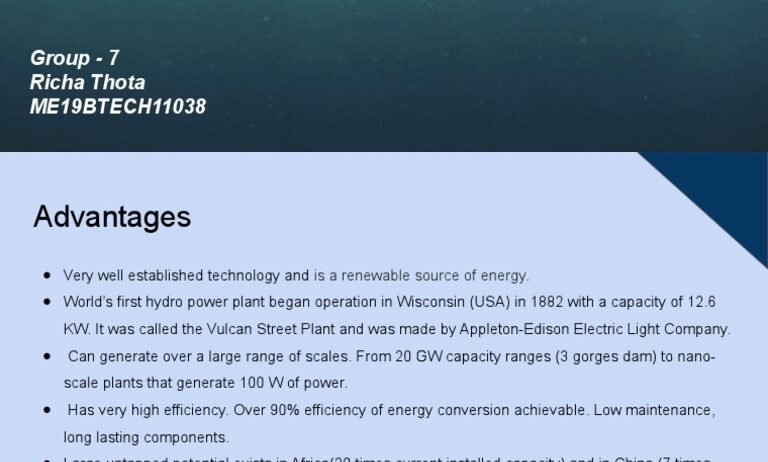
The foremost advantage of hydropower is its renewable nature. Water cycles through the environment in a perpetual pattern, allowing for continuous energy generation without depleting natural resources. Unlike fossil fuels, which necessitate extraction and ultimately lead to environmental degradation, hydropower taps into nature’s robust and self-sustaining processes. This aspect makes it an appealing alternative in mitigating climate change impact.
Furthermore, hydropower plants produce minimal greenhouse gas emissions during operation. Unlike coal or natural gas power plants, which release substantial carbon, hydropower systems emit negligible levels of pollutants once constructed. This factor significantly contributes to improving air quality, which is a pressing concern in urban and industrial areas worldwide. The relatively low carbon footprint positions hydropower as an environmentally friendly energy source, aligning with global efforts aimed at curbing climate change.
Another noteworthy advantage of hydropower is the cost-effectiveness associated with its long-term operation. Once a hydropower plant is established, it boasts relatively low operational and maintenance costs. Additionally, the energy yield from water is consistent and reliable, making it a stable source of energy. This stability can serve as the backbone for a broader renewable energy portfolio, facilitating a transition from traditional energy sources and providing a buffer against fluctuations in energy prices.
Tied closely to the economic benefits is the potential for hydropower to stimulate local economies. The construction and operation of hydropower plants often create numerous jobs, ranging from engineering to manual labor, thereby bolstering local employment rates. Furthermore, the infrastructure associated with hydropower development can improve regional transportation and communication networks, leading to broader economic benefits.
Despite these advantages, hydropower is not without its disadvantages. One of the most significant concerns is the ecological impact of damming rivers. By obstructing the natural flow of waterways, hydropower projects can disrupt aquatic ecosystems, displacing fish populations and altering habitats. Such ecological changes can have cascading effects, threatening biodiversity and harming species that depend on specific aquatic environments. This alteration of natural habitats presents a dilemma: the quest for renewable energy must not come at the cost of environmental degradation.
In addition to ecological ramifications, there is the social dimension. Hydropower projects often necessitate the displacement of communities, especially in developing regions. Families may be uprooted to make way for reservoirs or infrastructure expansion, leading to a loss of homes, livelihoods, and cultural ties. The ethical implications of such displacement raise significant concerns about the social equity of hydropower projects. This aspect necessitates thoughtful consideration and comprehensive planning to mitigate adverse impacts on local populations.
The variability of hydropower output is another challenge that warrants attention. Although considered a reliable energy source, hydropower depends on precipitation and water levels, which can fluctuate significantly in response to climate variability. Regions experiencing drought may face substantial energy shortfalls, highlighting an inherent vulnerability in relying solely on this energy source. This unpredictability can undermine energy security, particularly in areas reliant on hydropower for a significant portion of their energy needs.
Hydropower is also subject to aging infrastructure issues. Many existing dams were constructed decades ago, and as they age, maintenance and upgrades become paramount. Failure to address these needs can lead to safety hazards, including dam failure, which poses risks to both human populations and surrounding environments. Investing in the upkeep and modernization of aging facilities is crucial to ensure that hydropower remains a viable and safe energy source.
While hydropower presents a plethora of advantages—renewability, minimal emissions, economic stimulation, and reliability—its disadvantages necessitate careful scrutiny and management. The ecological effects, social implications, fluctuations in output, and infrastructure challenges serve as critical counterpoints to the narrative that portrays hydropower as a panacea in the fight against climate change. A balanced discourse surrounding hydropower compels stakeholders to adopt a nuanced perspective that considers both the benefits and the concerns.
To harness the full potential of hydropower while minimizing adverse effects, a multifaceted approach is essential. Employing innovative technologies, such as fish-friendly turbines and improved water management techniques, can help mitigate ecological concerns. Furthermore, engaging local communities in decision-making processes fosters equitable outcomes and enriches the dialogue regarding hydropower initiatives.
In conclusion, the discourse surrounding hydropower encapsulates the complexities of navigating the energy landscape in the 21st century. It exemplifies the delicate balance between pursuing renewable energy solutions and safeguarding ecological integrity and social equity. As society evolves, the journey towards sustainable energy will require both an appreciation of hydropower’s advantages and a resolute commitment to addressing its inherent challenges.