

Air pollution and global warming represent two of the most pressing environmental challenges of our time. They are interconnected phenomena that exacerbate one another, creating a dangerous duo that poses insurmountable risks not just to our planet but to the health and well-being of future generations. Have you ever paused to ponder how the air we breathe and the atmosphere we inhabit can coalesce into a catastrophic feedback loop?
The relationship between air pollution and global warming is multifaceted. Air pollution primarily arises from anthropogenic activities, including industrial processes, vehicle emissions, and the burning of fossil fuels. Notably, pollutants such as carbon dioxide (CO2), methane (CH4), and nitrogen oxides (NOx) are not only detrimental to human health but also potent contributors to the greenhouse effect.
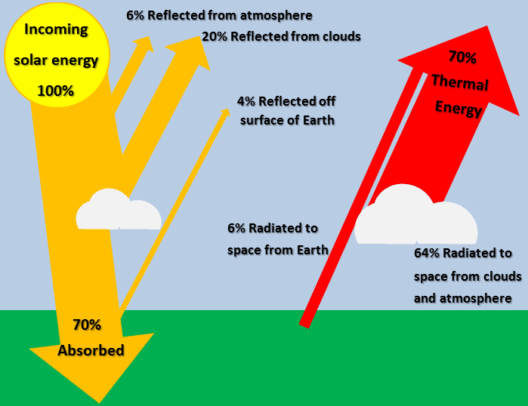
During the combustion of fossil fuels, CO2 is released into the atmosphere, where it accumulates and traps heat. This process leads to the warming of the Earth’s surface, a phenomenon that results in various climatic changes. However, the narrative does not end here. Other air pollutants, particularly particulate matter, have a complex role in climate systems. For instance, black carbon, a significant component of soot, absorbs sunlight and contributes to atmospheric warming. When deposited on ice and snow, it reduces their albedo, accelerating melting processes and further exacerbating global warming.
Consider the implications of this duo on public health. Air pollution is directly linked to respiratory diseases, cardiovascular problems, and even premature mortality. Millions suffer from the deleterious effects of smog-laden cities, where fine particulate matter infiltrates lungs and bloodstreams. The World Health Organization (WHO) estimates that air pollution is responsible for approximately 7 million premature deaths annually. This grim statistic underscores the urgency of addressing air quality to ensure a healthier populace.
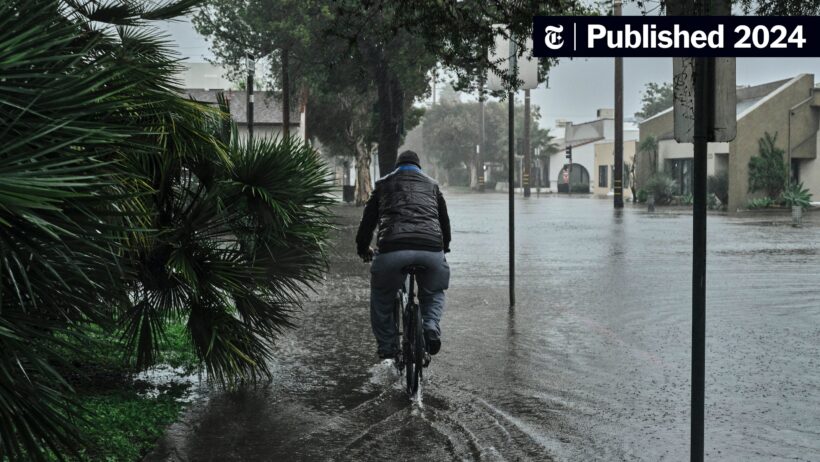
Now, let us navigate towards the climatic ramifications of this interplay. The increasing concentration of greenhouse gases not only elevates average temperatures but also intensifies weather extremes. Irregular precipitation patterns, prolonged droughts, and catastrophic floods become more prevalent. These changes not only disrupt ecosystems but also threaten food security. Agriculture, a cornerstone of human civilization, relies heavily on stable climatic conditions. Fluctuations in weather patterns can devastate crop yields and exacerbate hunger, particularly in vulnerable regions.
Moreover, the impact of air pollution extends beyond mere atmospheric changes. It contributes to the phenomenon of acid rain, which results from sulfur dioxide (SO2) and nitrogen oxides reacting with atmospheric moisture. Acid rain can severely damage forests, aquatic ecosystems, and even architectural structures. The interplay between pollutants and climatic conditions further complicates ecosystem dynamics, leading to biodiversity loss as species struggle to adapt to rapidly changing environments.
Identifying solutions to combat the detrimental effects of air pollution and global warming poses an intricate challenge. Transitioning to renewable energy sources, such as solar, wind, and hydroelectric power, offers a promising pathway. These alternatives not only generate clean energy but also significantly reduce reliance on fossil fuels, thereby curbing greenhouse gas emissions. Countries that have embraced such transitions often witness marked improvements in air quality, demonstrating that progress is attainable.
Equally important is the significance of sustainable urban planning. Cities are major contributors to air pollution, but they can also serve as beacons of change. Implementing green spaces, enhancing public transportation, and promoting energy-efficient buildings can mitigate pollution levels while fostering a healthier environment. Urban environments that prioritize sustainability not only improve air quality but also enhance the quality of life for residents.
Public awareness and engagement are crucial components in tackling the twin issues of air pollution and global warming. Initiatives aimed at educating communities about the health effects of pollution and ways to reduce it empower individuals to take action. Citizen-driven movements, such as clean air advocacy groups, can effectively pressure governments to implement stricter regulations on emissions. By fostering an informed populace, society can demand accountability from industries and governments alike.
Policy frameworks are paramount in orchestrating change on a systemic level. Governments around the globe must establish stringent standards for air quality and implement incentive programs to encourage businesses to transition towards greener alternatives. International cooperation is equally vital, given that pollutants do not recognize borders. Treaties aimed at reducing emissions of transboundary air pollutants can foster a collective effort towards a cleaner, healthier planet.
The interplay of air pollution and global warming presents daunting challenges that cannot be overlooked. As these two threats become increasingly intertwined, society must forge a path towards sustainable solutions. It invites an examination of our consumption patterns and energy use, compelling us to reassess our current trajectory. We stand at a crossroad, confronted with a pivotal question: Can we harmonize our economic ambitions with the need to preserve the environment?
In conclusion, the relationship between air pollution and global warming demands urgent attention and decisive action. This dangerous duo endangers not only the ecosystem but also human existence. By embracing cleaner energy, revising urban designs, and engaging in active advocacy, we can confront these formidable challenges. The scope of this task is vast, yet the stakes are incredibly high. The future we craft today will determine the world that tomorrow inherits. Will we rise to meet this challenge?