
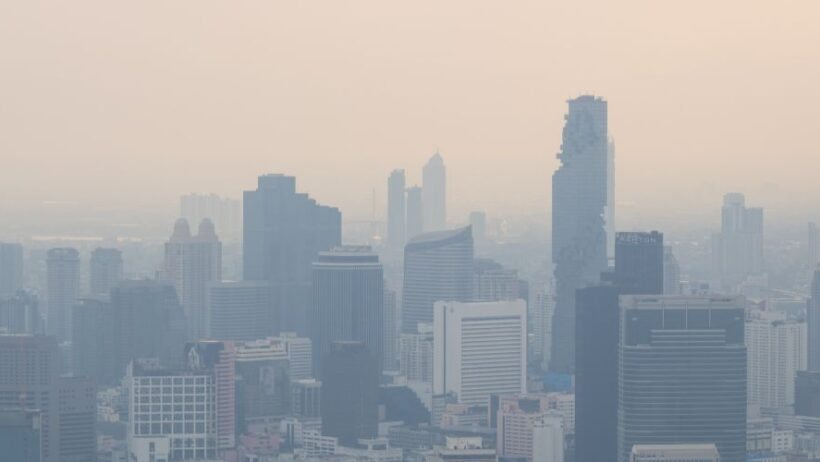

Air quality has quietly emerged as a pressing public health issue in urban centers worldwide, and Ho Chi Minh City is no exception. This vibrant metropolis, known for its bustling streets and rich history, grapples with a pollution challenge that affects the well-being of its residents. Understanding the pollution trends, the implications of deteriorating air quality, and practical safety measures is crucial for the city’s inhabitants and visitors alike.
To contextualize this gripping reality, one must consider the geographical layout and rapid urbanization of Ho Chi Minh City. As one of Southeast Asia’s most dynamic economic engines, the city has experienced accelerated growth. With a burgeoning population of over 9 million and thousands of vehicles on the roads, it is no wonder that air quality has suffered. The conspicuous interplay of industrial discharge, vehicular emissions, and urban construction leaves an indelible mark on the air residents breathe daily.
The Air Quality Index (AQI) is a pivotal tool for gauging air quality. It provides a numerical representation of pollution levels, allowing individuals to make informed choices. In Ho Chi Minh City, the AQI fluctuates, often hovering between moderate and unhealthy levels, particularly during the dry season when pollution tends to concentrate. There are days when the air feels heavy, a sensation that signifies higher particulate matter and harmful pollutants, endangering the public’s health.
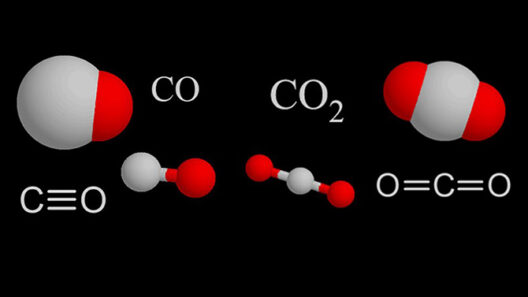
The primary culprits contributing to this atmospheric malaise include particulate matter (PM2.5 and PM10), nitrogen dioxide (NO2), sulfur dioxide (SO2), and ozone (O3). PM2.5, in particular, poses a significant threat due to its ability to penetrate deep into the lungs and even enter the bloodstream. Sources range from vehicular emissions to industrial activities and even household cooking fires, primarily using solid fuels. The multifactorial nature of air pollution complicates the quest for a simple solution.
Recent years have seen a surge in awareness of air quality issues globally, including in Vietnam. Grassroots movements, academic research, and governmental initiatives aim to address pollution and promote environmental sustainability. Urban planners and policymakers have begun to recognize the importance of integrating green spaces into city layouts. Parks and tree-lined streets not only enhance the aesthetic appeal of Ho Chi Minh City but also play a vital role in air purification, offering safe havens for residents.
Amidst these efforts, the need for individual awareness and proactive measures remains paramount. Understanding the daily variations in air quality can empower citizens to protect themselves. For instance, checking the AQI before heading outdoors can guide decisions regarding exercise routines or outdoor activities. On days when the air quality is less than ideal, reducing physical exertion and opting for indoor plans can decrease exposure to harmful pollutants.
Moreover, as a city characterized by its unique socio-economic fabric, public transportation presents both a challenge and an opportunity. The shift towards more sustainable modes of transportation, including electric buses and bicycles, is gaining momentum. Initiatives aimed at curbing reliance on motorcycles can substantially diminish vehicular emissions. Citizens are encouraged to embrace these alternative transport methods not only to alleviate air pollution but also to refine their commuting experiences.
Concurrently, the role of public authorities cannot be overstated. Stringent regulations and policies must be enforced to mitigate emissions from industrial sites. Factories contribute significantly to overall pollution levels; therefore, investing in cleaner technologies and practices should be a priority. Monitoring air quality through robust data collection systems serves as a cornerstone for transparency and accountability, fostering a culture where air quality is a shared responsibility among all stakeholders.
In conjunction with governmental measures, local communities can act as powerful agents of change. Community-led initiatives, such as tree-planting campaigns and awareness programs, not only educate residents about the gravity of pollution but also galvanize collective action. By nurturing a sense of ownership regarding environmental stewardship, communities can transform their engagement with the urban ecosystem.
Nevertheless, individuals should also consider personal protective actions. Wearing masks designed to filter out particulate matter, utilizing air purifiers indoors, and investing in indoor plants that naturally improve air quality are several tangible steps that can mitigate health risks. Empowerment lies in combining collective knowledge with individual responsibility—each small action contributes to a larger movement for cleaner air.
Ultimately, air quality in Ho Chi Minh City serves as a reflection of broader environmental challenges facing urban centers. By confronting pollution trends head-on, nurturing proactive initiatives, and fostering community collaboration, the potential for significant improvement emerges. Air quality is not merely an environmental concern; it is deeply intertwined with public health, economic progress, and social equity.
As citizens navigate this ongoing battle against air pollution, the promise of a cleaner, healthier urban future lies within their grasp. Curiosity about the conditions and dynamics that shape their environment can lead to a profound shift in perspective. Armed with knowledge, both residents and visitors to Ho Chi Minh City can contribute to a narrative of change—one where air quality is prioritized and preserved for generations to come.