

Alaska, the Last Frontier, is renowned for its breathtaking landscapes and ecological diversity. This vast expanse of wilderness is characterized by dramatic topography, where towering mountains meet expansive oceans. The local climate, influenced by geographical variances and oceanic currents, creates a unique environment that is both fragile and dynamic.
At the heart of Alaska’s climate is the interplay between its frigid temperatures, seasonal snowfall, and the churning winds of the Pacific Ocean. This delicate balance not only shapes the weather patterns but also impacts biodiversity, ecosystems, and even human activity. The climatic regime in Alaska can be broadly divided into several zones: coastal, interior, and tundra, each presenting distinct characteristics.
Coastal Alaska, characterized by its proximity to the ocean, experiences a maritime climate with mild winters and relatively cool summers. The ocean moderates temperatures, creating a buffered environment where snowfall is significant during the winter months. Coastal residents are accustomed to the whims of the weather, as storm systems can rapidly gain strength over the waters, leading to fierce winds and precipitation.
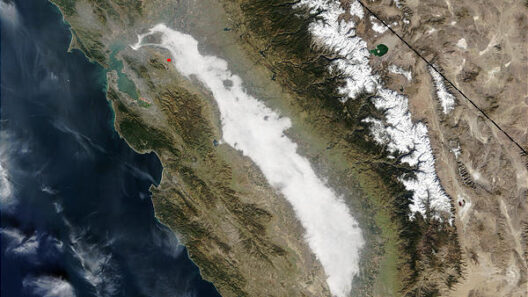
On the other hand, the interior climate starkly contrasts with coastal conditions. Inlands see more extreme temperature fluctuations, with biting cold dominating the winter months. Here, heavy snowfall is common, creating a picturesque winter wonderland. However, the subsequent melting during spring poses environmental challenges, including flooding and accelerated erosion. The interior region also faces the phenomenon known as temperature inversions, where warmer air traps cooler air, leading to hazardous smog conditions.
The tundra regions, extending into the Arctic Circle, present their own climatic oddities. Permafrost is a defining feature of these landscapes, impacting everything from vegetation to construction. During summer, surface layers may thaw, creating a soggy terrain that heavily influences microbial activity and plant growth. The brief but intense growing season allows for unique adaptations among flora and fauna, establishing a vibrant ecosystem in the harshest of climates.
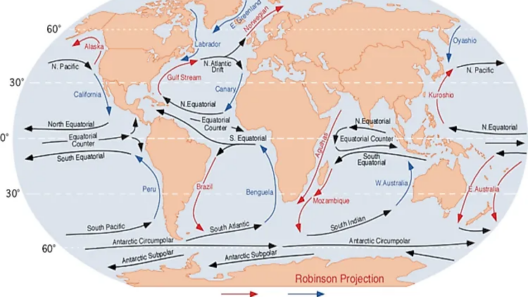
The interaction between the ocean and snow is critical to understanding Alaska’s climate. When ocean winds collide with the cool Arctic air, it fosters the development of precipitation, predominantly in the form of snow in winter months. This snowpack is crucial for the hydrological cycle, acting as a reservoir that replenishes rivers and streams as it melts during warmer months. Glaciers, feeds not only on snowfall but also shapes the surrounding landscape as they creep forward and recede, leaving their icy imprint on valleys and fjords.
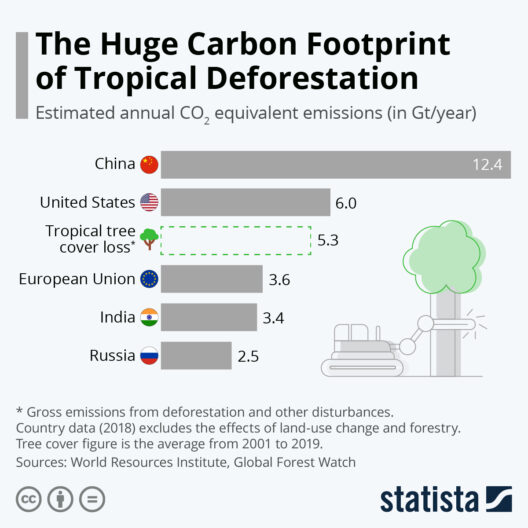
Warming temperatures have ushered in a series of climatic changes affecting both snow and oceanic conditions. The permafrost is thawing, leading to the release of stored greenhouse gases such as carbon dioxide and methane. This process accelerates climate change, creating a feedback loop that threatens not only the local ecosystems but also global climate stability. Moreover, shifting weather patterns are altering snowfall amounts and timings, disrupting traditional hunting and migration practices of indigenous populations.
Another concern is ocean acidification—a direct consequence of increased carbon dioxide levels in the atmosphere. As the oceans absorb more CO2, they become more acidic, jeopardizing marine life, particularly shellfish and coral reefs. The repercussions of this shift cascade through the food web, ultimately affecting the entire marine ecosystem, including species relied upon by local communities for sustenance.
The local fauna has adapted to these varied climatic influences. Species such as the Arctic fox and caribou demonstrate remarkable resilience, exhibiting behaviors and dietary adaptations that enable them to thrive amidst fast-paced environmental changes. Marine animals, from orcas to sea otters, rely on the seasonal variations in sea ice and water temperatures to hunt and reproduce. It is these interdependencies among species that outline the intricate tapestry of life in Alaska.
Human inhabitants of Alaska, particularly indigenous communities, possess a deep-rooted connection to the land and navigate the challenges presented by their environment with profound knowledge. Traditional subsistence practices—hunting, fishing, and gathering—are intricately tied to climatic rhythms. However, as climate patterns shift, these communities face an uncertain future, with livelihoods at stake.
Efforts to combat climate change in Alaska are gaining momentum. Local organizations work towards sustainable practices, advocating renewable energy sources and preservation of vulnerable ecosystems. Community engagement is vital to these initiatives, allowing indigenous knowledge and scientific research to coalesce in strategies addressing the challenges posed by a changing climate.
In conclusion, Alaska serves as a poignant reminder of the delicate balance between snow and ocean winds—a climate reflecting not only the majesty of nature but also the stark realities of climate change. Protecting this pristine environment requires concerted global effort, recognizing our shared responsibility toward ecological stewardship. Alaska’s fate hangs in the balance, underscoring the urgent need for informed action to mitigate the impacts of climate change, ensuring this breathtaking landscape remains for future generations to appreciate and cherish.