

The icy embrace of Alaska, often hailed as the last frontier, is undergoing a metamorphosis, one that threatens to reshape the very essence of its pristine landscapes and, more critically, its freshwater resources. The warming climate looms over this breathtaking realm like an ominous specter, beckoning change with its relentless hand. This article delves into the implications of rising temperatures not only for Alaska’s glacial expanses but also for the freshwater supply that sustains both the ecosystem and its inhabitants.
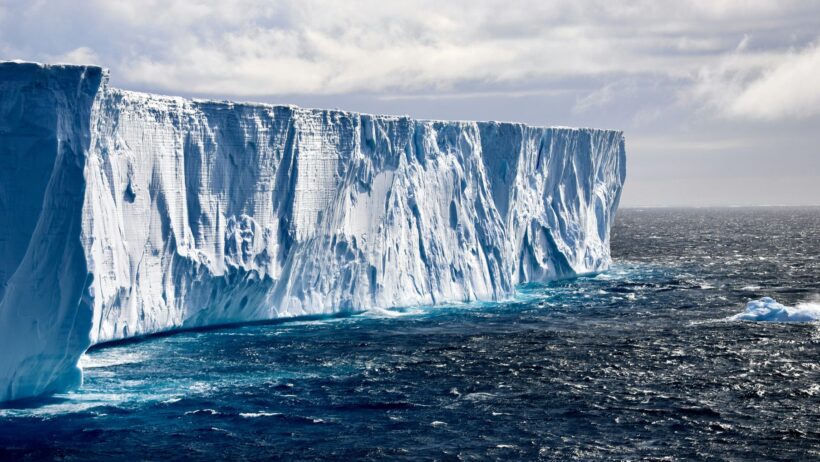
As temperatures rise, glaciers, which serve as natural reservoirs, are receding at a staggering pace. The vast white expanses of ice that once stood as stalwart guardians are now melting away, pouring crucial freshwater into the oceans at an unprecedented rate. This dramatic thaw serves as an alarming herald of the aquifers that are slowly depleting, threatening the delicate balance of freshwater systems that are integral to the region’s biodiversity. The metaphoric iceberg of freshwater supply is crumbling beneath, revealing a stark reality: Alaska’s future is parched if warming trends continue unabated.
Much like a delicate tapestry woven from threads of water and ice, Alaska’s freshwater ecosystem is intricately connected. Rivers, lakes, and wetlands flourish thanks to the meltwater that flows from glaciers during the warmer months. However, as these icy behemoths dwindle, the intricately woven web of aquatic nourishment frays. The hydrological cycle, which is critical for sustaining life, is under siege. Salmon, vital to both the ecological network and the cultural heritage of Native Alaskan populations, depend on cold, clear waters for spawning. Rising temperatures threaten these habitats, ultimately leading to diminished fish populations and disrupting the intricate relationships within the food web.
The ramifications of diminishing freshwater resources extend far beyond the aquatic realm. Human communities that rely on plentiful water supplies for drinking, agriculture, and industry are at risk. The burgeoning populace in Alaska demands water for daily living and sustenance, yet the anticipated future reveals a desiccated reality. The challenge lies in reconciling the needs of the inhabitants while nurturing the fragile ecosystems. Conservation efforts must be rooted in understanding this delicate interplay, adopting an approach that encompasses sustainable practices and innovative technologies.
Additionally, the cultural significance of freshwater in Alaska cannot be overstated. The Native Alaskan communities maintain a profound connection to the land, viewing freshwater bodies as sacred. The degradation of these vital resources diminishes not just wildlife populations but also cultural identities. The dwindling availability of freshwater symbolizes a broader existential threat, one that unravels cultural continuity and practices tied to the land. It is imperative to integrate indigenous knowledge and perspectives into environmental management processes, as these communities hold wisdom accrued over generations that is invaluable in the fight for conservation.
Warming temperatures exacerbate the existential threat posed to freshwater supplies through a variety of channels. Increased evaporation rates due to heightened temperatures hinder the ability of lakes and rivers to retain necessary water levels, while altered precipitation patterns yield irregularities in water supply. Seasonal shifts now occur more erratically, disrupting the anticipated cycles of water flow that species have relied on for millennia. A climate that is less reliable in water provision becomes a formidable adversary for both the ecosystem and human survival.
A glimmer of hope lies in the potential for innovation. With the advancement of water conservation technologies, such as rainwater harvesting systems and sustainable agricultural practices, communities can mitigate the impact of dwindling freshwater supplies. Moreover, embracing solutions that acknowledge the interconnectedness of the ecosystem can lead to resilient pathways forward. Stormwater management and the restoration of wetlands play critical roles in preserving the water cycle while fostering biodiversity. Investing in green infrastructure not only serves to alleviate the immediate thirst but also strengthens the landscape against the impending consequences of climate change.
It is also essential to advocate for policy reforms that address climate change and uphold robust freshwater protections. Legislation that prioritizes sustainable water management and allocates resources for monitoring and research can create a framework to safeguard Alaska’s freshwater supplies. Key stakeholders, ranging from government entities to local communities and environmental organizations, must unite in concerted efforts to combat the looming threats posed by climate change.
In contemplating Alaska’s thirsty future amidst the realities of climate change, it becomes unequivocally clear that the path forward hinges on our collective responsibility to inspire action. Addressing the multifaceted threats to freshwater availability is not merely a localized concern but a universal endeavor. The icy giants that have historically melded seamlessly into Alaska’s glacial landscapes now serve as stark reminders of the fragility of natural resources. As stewards of the environment, our choices today forge the legacy we leave for generations to come.
To preserve the enchanting beauty and the breathtaking expanses that have defined Alaska for centuries, a paradigm shift in how we perceive and interact with our ecosystems is imminent. As glaciers continue to recede, the hope for a sustainable future rests on our shoulders. It is within our power to quench Alaska’s thirst for survival and ensure that the lifeblood of this land can endure, nourished and vibrant, for years yet to come.