


The Amazon rainforest, often dubbed the lungs of the Earth, is an irreplaceable ecosystem that harbors an astounding variety of flora and fauna. However, in recent years, the phrase “Amazon on fire” has reverberated around the globe, raising alarms about the catastrophic consequences of rampant deforestation. This ongoing crisis poses a significant challenge not just for South America, but for the entire planet, given its profound implications for global warming.
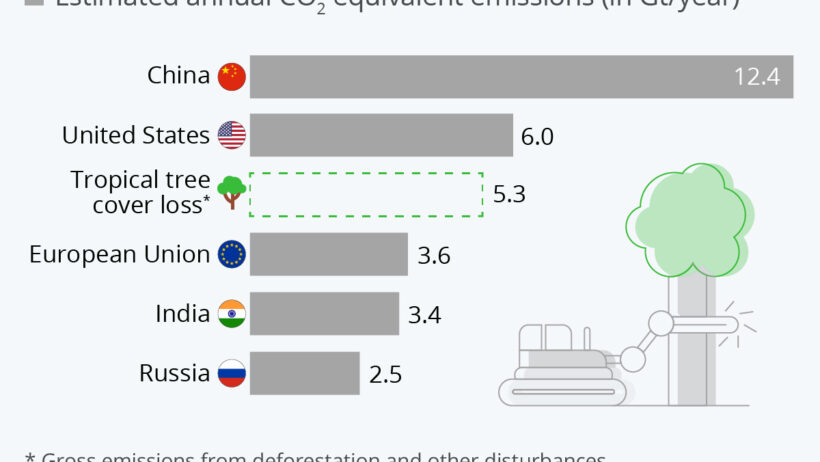
Forests play a vital role in carbon sequestration, a process whereby trees absorb carbon dioxide (CO2) from the atmosphere and store it as biomass. However, deforestation disrupts this equilibrium, releasing large quantities of carbon back into the atmosphere. According to the World Wildlife Fund, about 20% of global greenhouse gas emissions can be traced back to deforestation and land use changes. This phenomenon is particularly acute in the Amazon, where trees are felled for timber, agriculture, and livestock grazing, leading to significant increases in atmospheric CO2 levels.
This begs the question: what if we don’t reverse the trend? The combustion of trees, whether through intentional clearing or uncontrolled wildfires, results in hazardous emissions like CO2 and methane. The latter is a more potent greenhouse gas, contributing to the greenhouse effect at a rate many times greater than CO2. Thus, the flames that ravage the Amazon aren’t just flames—they are harbingers of climate chaos underlying the threat of global warming.
The direct correlation between Amazonian deforestation and climate change cannot be overstated. As we dismantle this massive carbon sink, we propel ourselves toward more severe climate scenarios. Increased temperatures lead to more extreme weather patterns, contributing to droughts, flooding, and devastating heatwaves. In addition, deforestation diminishes the forest’s capacity to regulate local and global climates. The balance of humidity and rainfall is disrupted, leading to long-term consequences for agricultural productivity and biodiversity.
The survival of entire ecosystems hangs in the balance. The Amazon is home to around 390 billion individual trees and 16,000 distinct species of trees alone. The biodiversity housed within its confines offers potential solutions to climate change and other global challenges through bioprospecting and the development of climate-resilient crops. However, the ongoing loss of this biodiversity stymies progress and puts entire species at risk of extinction.
Let’s introduce a challenge: what would it take to mobilize global action against Amazonian deforestation? The responsibility lies not only with South America but also with global consumers who drive the demand for products such as beef, palm oil, soy, and timber. The industry, driven by global markets, must commit to sustainable practices, ensuring that their supply chains do not perpetuate the destruction of irreplaceable forests.
Furthermore, international cooperation is pivotal in addressing the deforestation crisis. The 2015 Paris Agreement was a significant step toward global climate governance, but achieving its lofty aims requires adherence and, most importantly, bold commitments from countries worldwide. Financial support for preservation initiatives, restoration of degraded areas, and sustainable land management practices must be prioritized on a global scale.
Public awareness and advocacy are indispensable tools for igniting change. Awareness campaigns can illuminate the dire state of the Amazon and elevate discussions around consumer choices and the ethical implications of deforestation. By engaging a broader audience, we can inspire a new generation of environmental stewards who advocate for the Amazon and its invaluable contributions to the Earth’s climate system.
The juxtaposition of deforestation and climate change sets the stage for an urgent call to action. It compels us to rethink our relationship with nature and evaluate the long-term consequences of our consumption habits. Every individual has a role to play in conserving the environment, from supporting sustainably-sourced products to participating in tree-planting campaigns. The looming question is, how much longer can we afford to ignore the plight of the Amazon?
In response to this pressing dilemma, the world must leverage technology and innovation to create pathways for sustainable development. Agroforestry, for example, introduces mutually beneficial cultivation methods that can enhance agricultural yield while preserving ecosystems. Furthermore, the rise of green technologies in various industries offers promising solutions that could significantly reduce deforestation rates while satisfying the growing demand for various commodities.
The crux of addressing deforestation in the Amazon lies in integrating conservation efforts with local communities. Indigenous populations, who have been long-standing custodians of the land, possess invaluable traditional knowledge that could greatly enhance conservation strategies. Engaging with these communities not only empowers them, but a collaborative approach ensures that methods are culturally appropriate and ecologically beneficial.
Ultimately, the survival of the Amazon rainforest is intrinsically tied to the future of the planet. It is not only an ecological imperative but a moral one. The challenge now lies in collective action—individuals, governments, corporations, and activists must unite under a common goal: to safeguard this precious resource for future generations. The stakes are high, and the time to act is now. Will humanity rise to the challenge, or will we stand by as the Amazon burns? The choice is ours, and history will judge us by the decisions we make today.