


The Amazon River dolphin, or pink dolphin, is a captivating creature endemic to the freshwater ecosystems of the Amazon Basin. A creature of elegance and intelligence, the life cycle of the Amazon River dolphin is a testament to the remarkable adaptability and complexity of wildlife. Understanding this life cycle, alongside its intricate habitat, offers a unique glimpse into the natural world, fostering appreciation and prompting conservation efforts. This exploration delves into the various stages of their life cycle and the habitat that sustains them, encouraging a deeper understanding of this enchanting species.
Stage 1: Birth and Neonatal Development
The journey of the Amazon River dolphin begins with birth, a momentous occasion that unfolds in shallow waters. A typical gestation period lasts around 11 months, a notable investment of environmental resources. When a mother delivers her calf, it weighs approximately 25-30 pounds and is about four feet long. The mother provides critical care to the newborn, nurturing it with her milk—rich in nutrients—that is essential for rapid growth and development.
Neonatal dolphins exhibit a grey coloration that gradually metamorphoses into the distinctive pink hues associated with adults as they mature. Interestingly, the color changes are not merely aesthetic; they enhance their ability to camouflage amidst the ever-changing aquatic landscape. This transition speaks volumes about the resourcefulness and survival instincts inherent in these creatures.
Stage 2: Childhood and Learning
Following the neonatal phase, the calves enter childhood—a period characterized by intensive learning and social bonding. During this stage, they accompany their mother, exploring the river’s myriad ecosystems. It is here in the brackish waters, dotted with succulently green vegetation and surrounded by dense jungles, that they learn vital survival skills, including hunting techniques and navigation. The tactile, playful interactions between mothers and calves, filled with engaging spins and leaps, enhance their social structure.
Children of the Amazon River dolphin often remain with their mothers for several years, fostering a deep-seated bond. Such longevity in familial ties allows for the passing down of knowledge, further securing the calf’s future. The ways in which these young dolphins engage with their environment can stimulate curiosity, urging observers to wonder how intelligence and affection can coalesce in the animal kingdom.
Stage 3: Adolescence
As calves transition into adolescence, they face new challenges and experiences. This developmental stage can be tumultuous, marked by social dynamics that mirror human adolescence. Adolescents engage in playful confrontations with peers while grappling with their burgeoning sexual identities. Males often begin to display behaviors aimed at attracting potential mates, while females focus on honing their hunting skills—critical for eventual motherhood.
During this time, the dolphins start to form their own social groups, or pods, which serve as crucial support networks. These pods are not only essential for companionship but also for cooperative hunting strategies, enhancing survival in the labyrinthine waters of the Amazon. This social structure behaves as a living tapestry, woven with experiences and interactions, underscoring the need for conservation efforts to protect these complex social networks.
Stage 4: Adulthood
Upon reaching adulthood, the Amazon River dolphin assumes a vital role within its ecosystem. They can live for several decades, with females often outliving males. The adult life is replete with responsibilities; these dolphins have established territories and, depending on the pod dynamics, engage in a variety of social interactions. They become key players in maintaining ecological balance, as they serve as both predator and prey within their aquatic environment.
With distinctive adaptations, such as their flexible necks—allowing them to maneuver through submerged structures—their hunting techniques rely on echolocation, travel, and acute social skills. Adult Amazon dolphins are proficient hunters, preying on fish, crustaceans, and small mammals, illustrating the majestic balance of life that exists within the Amazon River’s waters.
Stage 5: Reproduction and Legacy
Reproductive strategies begin mid-adulthood, with the Amazon River dolphin reaching sexual maturity between 4 to 7 years of age. The courtship process is intriguing; males display acrobatic behaviors to captivate females, leading to the formation of temporary mating pairs. After a successful courtship, the cycle starts anew, and the profound connection between mothers and their offspring emerges as a central theme in the life cycle.
This intimate bond—the maternal instinct—is emblematic of the species’ resilience. Each successful birth fosters hope for the future, a small yet substantial light against the backdrop of environmental threats they face, including habitat destruction and pollution. The legacy of every Amazon River dolphin lies not just in the continuation of their lineage, but also in their role as environmental stewards in their habitats.
Habitat: The Lifeline of the Amazon River Dolphin
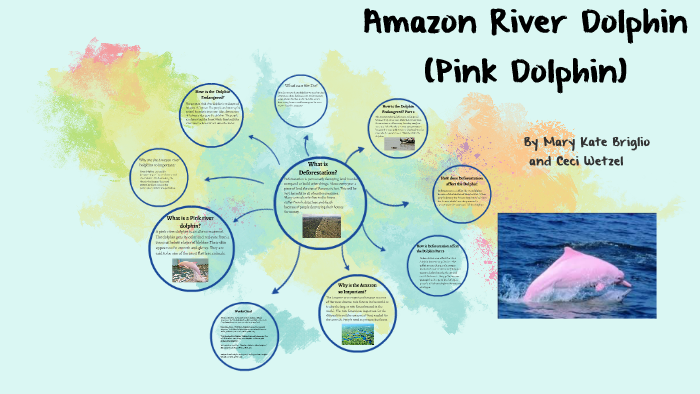
Habitat is backbone to the life cycle of the Amazon River dolphin. They thrive in the muddied waters, shallow lakes, and complex networks of rivers that define the Amazon Basin. This environment pulsates with life, providing ample food sources and a safe nursery for calves. The rich biodiversity of the Amazon plays a pivotal role, influencing dolphin behavior and social structures. Sadly, deforestation, dam construction, and pollution threaten this delicate balance.
As stewards of the Amazon’s waters, the Amazon River dolphins not only embody the vibrancy of their habitat but also serve as indicators of ecological health. Preserving their environment is imperative for their survival and for the ecosystems that encompass them, drawing attention to the intertwined fate of diverse life forms inhabiting this critical region.
In summation, the life cycle of the Amazon River dolphin unfurls like the intricate waterways they inhabit. Each stage is layered with captivating nuances that reflect the complexity of nature. By understanding their journey from birth to adulthood, alongside the habitat that nurtures them, we uncover a narrative that transcends mere biological interest. It instills a sense of responsibility to safeguard these remarkable beings and their environment for generations to come.