

The evolution of agriculture has been nothing short of remarkable. In a world increasingly burdened by climate change and urbanization, innovative growing systems such as aquaponics, hydroponics, and aeroponics have emerged. Each of these methods presents a unique approach to cultivation, promising not only efficiency but also sustainability. Let’s embark on a detailed exploration of these three fascinating methods, unearthing their key differences, advantages, and implications for the future of food production.
Aquaponics: A Symbiotic Relationship
Aquaponics integrates aquaculture—the raising of fish—with hydroponics. This method creates a self-sustaining ecosystem where fish waste provides an organic nutrient source for plants. In turn, the plants help filter and purify the water, creating a symbiosis that can significantly reduce the environmental footprint of traditional agriculture.
One of the captivating aspects of aquaponics is its reliance on living organisms. For instance, tilapia and catfish are often used because they thrive in varied conditions and provide ample nutrients for plant growth. By harmonizing fish and plant growth, aquaponics can yield both protein-rich aquatic animals and fresh produce, promoting dietary diversity in a sustainable fashion.
However, this method requires a delicate balance. The system must be carefully monitored to maintain optimal pH levels, water temperature, and dissolved oxygen, ensuring both fish and plants flourish. Consequently, aquaponics can be perceived as more complex compared to its counterparts but offers a dynamic and rewarding experience for growers who delve into this intricate ecosystem.
Hydroponics: Soil-less Simplicity
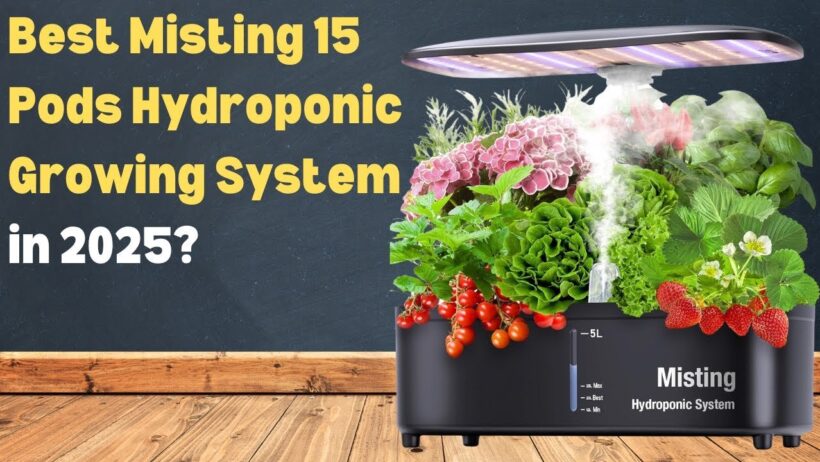
Hydroponics, in contrast, embraces the notion of growing plants in nutrient-rich water without soil. This method allows for vigorous growth and faster maturation, as plants can directly access nutrients dissolved in the water. Hydroponic systems can be as simple as a nutrient mist or as elaborate as multi-tiered rotating towers, optimizing space in urban settings.
One of the primary advantages of hydroponics lies in its efficient use of water. Traditional agriculture consumes vast amounts, but hydroponics can reduce water usage by up to 90% due to its recirculating systems. This is particularly beneficial in arid regions where water scarcity poses a significant challenge.
Despite its advantages, hydroponics has limitations. Without soil, plants can lack the variety of minerals they typically derive from traditional cultivation methods. Furthermore, reliance on synthetic fertilizers can lead to a chemical-dependent system, which may counteract its environmental benefits. However, many enthusiasts are now shifting towards organic hydroponics, exploring natural nutrient sources such as compost teas.
Aeroponics: The Future of Farming
Aeroponics takes hydroponics a step further by suspending plants in an air or mist environment, exposing their roots directly to nutrient-rich rain-like sprays. This innovative method maximizes oxygen exposure and significantly enhances nutrient absorption, fostering rapid plant growth. It is often hailed as one of the most resource-efficient agricultural practices available today.
One of the most striking facets of aeroponics is its capacity for vertical farming. This is particularly relevant in densely populated urban environments where land is scarce. By building upward, aeroponic systems can produce a higher yield per square foot compared to both aquaponics and hydroponics. Moreover, aeroponics has been shown to use up to 95% less water than traditional farming methods.
Nevertheless, aeroponics comes with its own set of challenges. The high-tech nature of these systems requires significant investment and expertise. Maintaining the delicate balance of nutrient concentrations and ensuring the system functions without interruption is crucial. A minor malfunction can have swift and devastating repercussions for the entire crop.
Comparative Analysis
In juxtaposing these three systems—aquaponics, hydroponics, and aeroponics—several key differences emerge.
- Organism Integration: Aquaponics encapsulates a biotic approach, merging fish and plant cultivation to create a self-regulating ecosystem. Hydroponics and aeroponics focus solely on plant growth, utilizing nutrient-dense solutions to sprout crops efficiently.
- Resource Efficiency: Hydroponics and aeroponics boast compelling water-saving attributes, but aeroponics takes the lead in water conservation. Aquaponics, while water-efficient, may demand more resources for maintaining both plant and fish health.
- Complexity: Aquaponics is often perceived as the most complex system due to the interdependencies between aquatic life and plants. Hydroponics is relatively straightforward, while aeroponics combines technological sophistication with ease of use in terms of cultivation methods.
- Yield: Aeroponics typically offers the most rapid growth rates and highest yields per space, followed by hydroponics. Aquaponics, while productive, may not match the efficiency of its counterparts due to its reliance on biological systems.
Conclusion: A New Paradigm in Agriculture
The rising popularity of aquaponics, hydroponics, and aeroponics presents an intriguing promise for the future of agriculture. Each system carries its unique strengths and challenges, creating an expansive landscape for innovation and sustainability. As the global population continues to grow and climate challenges intensify, the need for efficient, resilient food production methods is paramount.
As we shift our perspective on agricultural practices, understanding the nuances among these systems fosters curiosity and encourages exploration. Whether it’s the harmonic dance of aquatic ecosystems in aquaponics, the streamlined efficiency of hydroponics, or the cutting-edge practices of aeroponics, the journey towards sustainable food production is just beginning. The ultimate quest is not merely about cultivating plants, but about cultivating a more sustainable, nourished world for generations to come.