
Global warming represents one of the most pressing challenges faced by our planet today, particularly in delicate ecosystems such as the Arctic. The polar regions, characterized by ice caps and tundra, are witnessing profound transformations due to rising temperatures. This exposé will delve into how global warming is reshaping polar ecosystems and wildlife, elucidating the multifaceted consequences on both flora and fauna.
At the forefront of these changes are the polar ice caps, critical habitats that provide essential sustenance and shelter for a multitude of species. As global temperatures ascend, the extent and thickness of Arctic sea ice are dwindling at an alarming rate. According to scientific observations, Arctic sea ice has decreased significantly since the late 1970s, with the summer minimum declining by nearly 40%. This rapid melting not only poses a threat to ice-dependent species but also destabilizes the entire Arctic ecosystem.
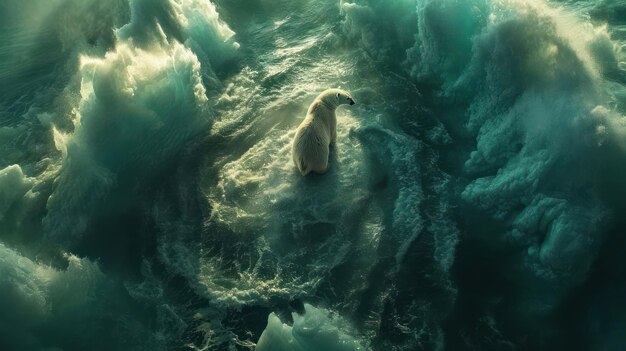
One of the iconic symbols of the Arctic, the polar bear, epitomizes the peril faced by wildlife in this region. These majestic animals depend on sea ice to hunt seals, their primary food source. As the ice recedes, polar bears are forced to travel farther and expend more energy to locate food, leading to decreased body condition and reduced reproductive success. The decline in polar bear populations underscores a broader ecological imbalance that ascends from changes in habitat and prey availability. Reports indicate that some populations are experiencing alarming declines, raising urgent conservation concerns.
Beyond polar bears, numerous species are being pushed to the brink due to the repercussions of climate change. For instance, the Arctic fox, which relies on the availability of lemmings and other small mammals, faces food scarcity as warming temperatures alter the population dynamics of its prey. Additionally, the quest for food has led to increased competition with larger predators such as red foxes, further complicating the survival strategies of these small mammals.
In juxtaposition to terrestrial wildlife, marine ecosystems are also grappling with the repercussions of global warming. The melting ice contributes to ocean stratification and alters salinity gradients, affecting countless marine organisms. Phytoplankton, the foundational component of the Arctic marine food web, is particularly susceptible to climatic fluctuations. A shift in its growth patterns can reverberate through the intricate ecosystem, impacting the species that rely on these microscopic plants for sustenance, including fish and marine mammals.
Moreover, the warming waters of the Arctic are leading to the encroachment of non-native species that disrupt established ecological networks. Species such as Pacific cod and jellyfish are extending their range into Arctic waters, exacerbating competition for native species like Atlantic cod and herring. This invasive presence, coupled with habitat alteration, raises serious questions regarding the resilience of these systems and the species that inhabit them.
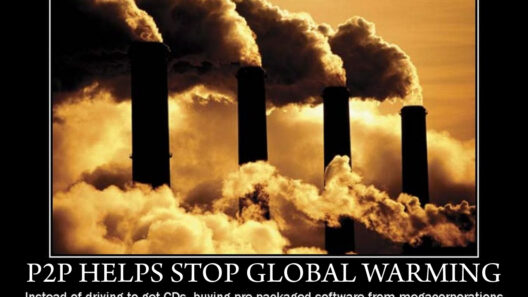
On a broader scale, global warming also catalyzes the release of greenhouse gases previously locked within the Arctic permafrost. As the ground thaws, methane—a potent greenhouse gas—escapes into the atmosphere, exacerbating climate change in a concerning feedback loop. This process destabilizes not only local ecosystems but also contributes to global climate dynamics. The ramifications extend beyond the Arctic, underscoring the interconnectedness of global systems.
The transformation of Arctic ecosystems does not occur in isolation; it is intricately linked to indigenous communities that have coexisted with the land and its resources for millennia. As the environment changes, traditional hunting and fishing practices faced by these communities are increasingly threatened. The disruption of migratory patterns, ice stability, and animal populations poses significant challenges, challenging cultural heritage and food security.
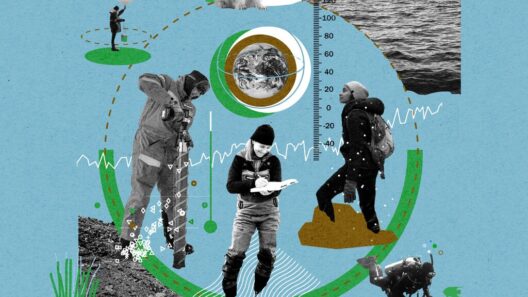
In the face of these alarming transformations, various conservation and adaptation strategies are being initiated. Indigenous knowledge is being integrated into contemporary conservation efforts, enhancing the resilience of both wildlife and human communities. Collaborative approaches that bridge traditional ecological knowledge with scientific research are vital to developing innovative solutions to mitigate the impacts of climate change.
Furthermore, widespread awareness campaigns are essential in mobilizing public support for climate action. Efforts to reduce carbon emissions at the global level, transition to renewable energy sources, and protect vital habitats are crucial. Legislative measures aimed at preserving the Arctic’s biodiversity can create a buffer against the extreme consequences of climate change.
Educational programs that elucidate the significance of Arctic ecosystems can foster a deeper understanding among younger generations, galvanizing them into action. The Arctic, often perceived as remote and distant, is an essential barometer of global climate health. Protecting its intricate webs of life serves as a moral imperative for humanity.
Ultimately, global warming unequivocally alters the fabric of Arctic ecosystems and wildlife. The cascading effects reach far beyond poleward borders, presenting challenges that require immediate attention and decisive action. The plight of the polar bear is just one harrowing tale in a complex narrative of survival amid rapid change, urging a collective response to safeguard the vulnerable ecosystems of the Arctic.