


Crickets are ubiquitous insects. They chirp melodically on warm evenings, invoking a sense of nostalgia and connection to nature. Yet, while many people enjoy these creatures as symbols of summer, there lies an undercurrent of apprehension regarding their potential impact on human health. This article delves into the myriad factors surrounding this inquiry: Are crickets harmful to humans? By examining their biology, dietary habits, and possible interactions with humans, we aim to unravel the truth about these fascinating insects.
The Biology of Crickets:
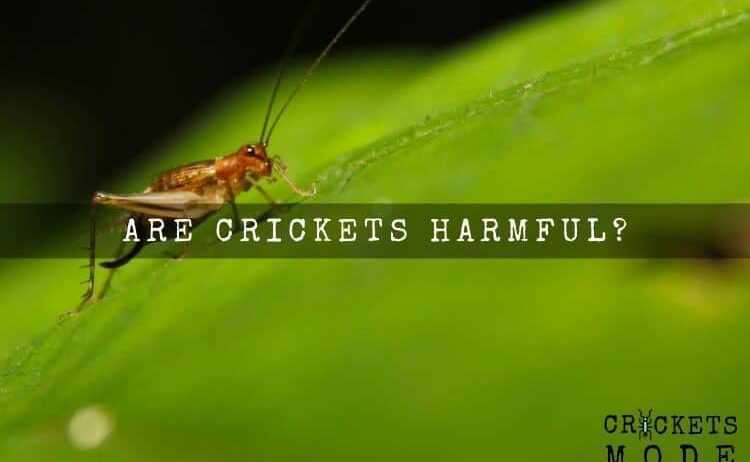
Crickets belong to the Gryllidae family within the order Orthoptera. The most commonly encountered species include the house cricket (Acheta domesticus) and the field cricket (Gryllus campestris). These fascinating creatures are entirely terrestrial, living in a variety of climates ranging from temperate to tropical regions. Their anatomy is quite extraordinary; crickets possess long antennae, powerful hind legs designed for jumping, and wings that, while typically silent, can create an enchanting symphony when rubbed together.
Dietary Habits and Preferences:
Crickets are omnivorous scavengers. In the wild, their diet primarily consists of decaying plant matter and organic detritus, which they efficiently convert into energy. However, they are also opportunistic feeders and may consume small insects or organic waste when available. This ecological role is critical for nutrient cycling within their habitats. Of concern to urban dwellers is the ingestion of food waste, which can occasionally lead crickets into close contact with human settings, raising questions about hygiene and disease transmission.
Pest or Pet? The Dichotomy of Cricket Interactions:
Crickets are often viewed as nuisances, particularly when they proliferate in gardens and residential homes. Their incessant chirping may become an unwanted symphony at night, leading to irritation among inhabitants. Nonetheless, these creatures are also fostered as pets and livestock in various cultures worldwide. Crickets are an essential protein source in many Asian countries, supporting sustainable food systems and offering an exceptional nutritional profile.
Crickets and Health Risks:
Despite their ecological advantages, potential health risks associated with crickets merit careful examination. Crickets can harbor pathogens, including parasites and bacteria, which pose a minimal yet notable risk to human health. For instance, crickets can transmit the foodborne pathogen Salmonella, particularly if they are exposed to contaminated environmental sources. However, the likelihood of contracting an illness from an isolated cricket encounter is generally quite low.
Allergic Reactions and Sensitivities:
Another consideration involves allergic reactions. Some individuals exhibit hypersensitivity to insect proteins, including those found in crickets. These allergies can manifest in various forms, ranging from mild skin irritations to more severe respiratory issues. While cases of cricket-related allergies remain infrequent, they highlight the necessity for further research into the implications of consuming entomological products.
The Culinary Adventure: Crickets in the Food Industry:
With the escalating global population and the urgent call for sustainable protein sources, crickets are increasingly entering the culinary world. Crickets are rich in proteins, vitamins, and minerals, making them a nutritious alternative to traditional livestock. Incorporating crickets into the diet could alleviate environmental strain, given their lower greenhouse gas emissions compared to cattle or poultry. However, embracing crickets as a viable food source requires addressing the social stigma connected to eating insects, which has embedded itself deeply in certain cultural paradigms.
Environmental Outlook: Biodiversity and Conservation:
Beyond their health implications, crickets play a vital role in maintaining ecological balance. Their interactions with soil, plants, and other organisms contribute to biodiversity, emphasizing their importance within ecosystems. Given their role in organic matter decomposition, crickets foster nutrient cycling, benefiting the soil and flora that, in turn, support terrestrial life forms, including humans. Emphasizing cricket conservation can reflect our broader commitment to preserving biodiversity and enhancing sustainability.
Crickets: A Bridge to Understanding Sustainability:
Understanding the complexities surrounding humans and crickets may prompt an overarching contemplation of our relationship with the environment. Crickets invite us to reflect on sustainability, food production, and our role within intricate ecological networks. Their chirps resonate with themes of coexistence, urging humanity to examine ways to harmoniously integrate nature into our lifestyles.
Conclusion:
Crickets, in all their multifaceted glory, hold a mirror to human concerns surrounding health, safety, and sustainability. While they can pose certain health risks, these are largely mitigable through responsible practices and personal awareness. Their contributions to food security and biodiversity beckon a new perspective, urging humanity to embrace these remarkable insects rather than shun them. The harmony of crickets in our environment stands as a testament to the intricate balance of nature, where every species, no matter how small, plays a pivotal role in the tapestry of life.