
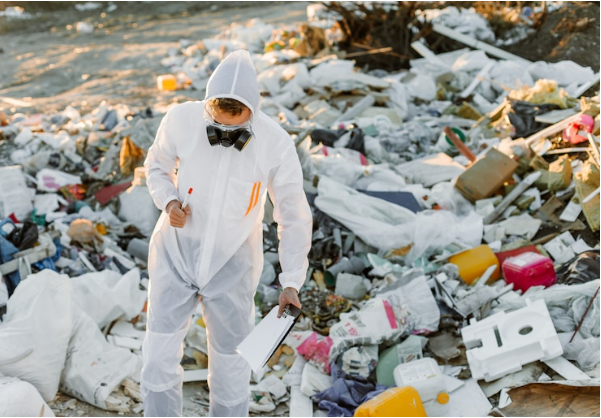

In the grand tapestry of environmental degradation, landfills emerge as an insidious thread, weaving their destructive narrative into the very fabric of our planet’s climate. Like a hidden malignancy, they quietly emit greenhouse gases, contributing to the global warming phenomenon that threatens the delicate balance of our ecosystems. The urgency to unravel this complex issue is paramount, as these waste repositories operate silently, often overlooked amid the clamor for renewable energy sources and sustainable practices.
Landfills are not merely mounds of discarded refuse; they represent a long-standing paradigm of waste management that epitomizes humanity’s linear economy. Within their confines, organic materials decompose, but not in the benign manner we often envision. The anaerobic conditions fostered in these subterranean caverns of waste result in the production of methane, a greenhouse gas significantly more potent than carbon dioxide. This process, compounded by the sheer volume of material relegated to these sites, underscores the monumental impact landfills have on climate change.
Methane emissions, often referred to as “the ghost gas,” infiltrate the atmosphere with a potency that belies its invisibility. Over a 20-year period, methane traps heat in the atmosphere 84 times more effectively than carbon dioxide. As landfills continue to expand, fueled by a culture of disposability, they subtlety augment the atmospheric concentrations of this toxic gas, transforming landfills into volatile ticking time bombs.
The scale of this problem is staggering. Approximately 1.9 billion tons of waste are generated globally each year, and a substantial portion finds its way into landfills. In the United States alone, landfills account for nearly 15% of total greenhouse gas emissions. This statistic is not just a number; it is a clarion call urging us to reevaluate our waste management strategies and adopt more sustainable alternatives. While recycling and composting efforts are gaining traction, they remain insufficient to combat the overwhelming tide of waste that inundates landfills. The trajectory of our consumption patterns, characterized by incessant surplus and convenience, necessitates a fundamental systemic change.
Interestingly, the metaphorical concept of a “landfill” extends beyond the physical realm. Our modern psyche is akin to a landfill itself, overcrowded with information and distractions. Just as we bury waste beneath layers of soil, we bury crucial environmental issues beneath the weight of daily life, rendering them invisible. This metaphor serves as a reminder that awareness and education are pivotal in dismantling the everyday complacency that allows landfills to soar unchecked.
Moving beyond the realm of emissions, landfills also pose dire threats to local ecosystems. The leachate, a toxic brew caused by the interaction of waste with rainwater, seeps into the ground, contaminating soil and waterways. This slow but steady poisoning of the environment has cascading effects on wildlife and human populations alike. As organisms within this contaminated habitat struggle to survive, the interconnectedness of our ecosystem is threatened, ultimately impacting biodiversity and food supply chains.
The process by which landfills exert their influence on climate change is, in many respects, an exercise in negligence. The short-term economic gains associated with the landfill industry fail to account for the long-run environmental costs. Retrofitting existing landfills to mitigate methane emissions or preventing contaminants from leaching into groundwater systems often requires substantial investment, an obligation that many municipalities are reluctant to undertake. Thus, the cycle perpetuates, with short-sighted policies favoring immediate reprieve over sustainable solutions.
It is essential to amplify discussions surrounding alternative waste management methods, particularly the circular economy. This regenerative system emphasizes the continual use of materials, reducing waste generation at its origin. By designing products for longevity, repairability, and recyclability, we can collectively shift the paradigm toward a more sustainable future. Encouraging composting and promoting biogas as viable energy sources provide promising pathways that divert organic waste from landfills while simultaneously reducing greenhouse gas emissions.
In the broader context of climate change, the role of landfills should serve as a poignant lesson about the interconnected nature of our environmental challenges. Each piece of plastic or food decomposing in a landfill serves as a stark reminder of our collective choices. The obesity of landfills reflects a societal appetite for excess, and addressing this gluttony necessitates a multifaceted approach that includes education, policy reform, and community engagement. Engaging individuals in understanding the provenance of their waste is crucial, nurturing a consciousness that respects the environment rather than exploiting it.
As we gaze into the abyss of climate change, we must confront the ignominious legacy of landfills. They symbolize a bygone era of waste management, but we stand at a crossroads—a possibility for metamorphosis into a more enlightened and sustainable way of thinking. Our challenge is to transform the metaphorical landfill of complacency into a thriving garden of innovation, where sustainability flourishes, and Earth’s climate can begin its regeneration. By taking proactive steps today, we can reduce the emissions from landfills and mitigate their hidden threat, transforming them from a necessary evil into a relic of the past. Adaptation and perseverance are our allies as we navigate the complex interplay between waste management and climate resilience.