
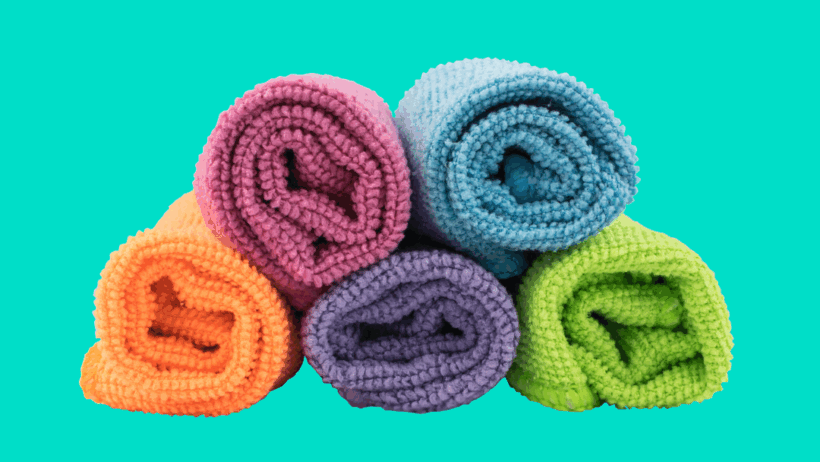

In recent years, microfiber cloths have surged in popularity, particularly among environmentally conscious consumers seeking effective cleaning solutions. Yet, this very convenience raises an imperative question: are microfiber cloths bad for the environment? While they may appear to be an eco-friendly alternative to traditional cleaning materials, the hidden repercussions associated with their production, usage, and disposal warrant a closer examination.
The Composition of Microfiber Cloths
Microfiber cloths are composed of synthetic fibers, typically a blend of polyester and polyamide. This unique composition makes them highly effective at trapping dust, dirt, and allergens. However, the very materials that bestow these cleaning benefits also contribute to significant environmental damage. The production of such fibers is energy-intensive and often relies on fossil fuels, leading to increased carbon emissions and resource depletion.
Microfiber Release During Washing
One of the most alarming aspects of microfiber cloths is their tendency to shed tiny fibers when washed. These microplastics can slip through wastewater treatment systems, ultimately entering rivers, lakes, and oceans. Once in the aquatic ecosystem, these microplastics can be ingested by marine life, leading to dire consequences for wildlife and disrupting the food chain. Strikingly, a recent study indicated that a single wash of polyester microfiber can release upwards of 1,500 microscopic plastic fibers. This staggering statistic amplifies concerns within the environmental community and highlights the necessity of addressing this issue.
Impact on Marine Life
The ingestion of microplastics by aquatic organisms poses a significant threat to biodiversity. Filter feeders, such as mussels and clams, inadvertently consume these particles, mistaking them for food. Consequently, toxins that cling to microplastics may accumulate in the tissues of these organisms, potentially propagating through the food web. This phenomenon not only endangers marine species but also jeopardizes human health when seafood enters the human diet. The ripple effects of this microplastic contamination extend beyond the ocean, underscoring the urgent need for solutions.
Landfills and Waste Management Challenges
Upon reaching the end of their lifespan, microfiber cloths present additional environmental challenges. Most are not biodegradable due to their synthetic composition, often leading to their disposal in landfills. As they degrade slowly, they contribute to the burgeoning crisis of plastic waste, hindering our efforts to mitigate pollution. Moreover, the reality is that many consumers may not even realize that microfiber cloths should not be disposed of as regular trash, further complicating waste management endeavors. Public awareness and education are thus critical in addressing this issue.
Recycling Possibilities
While recycling options for microfiber cloths are limited, there are initiatives aimed at exploring sustainable practices. Some companies have begun creating microfiber cloths from recycled materials or devising programs to reclaim used microfiber products. Encouraging consumers to participate in such programs and make conscious choices can diminish the overall impact of microfiber pollution. Additionally, exploring alternative materials for cleaning textiles, including organic cotton or bamboo, may provide more sustainable solutions, prompting a shift in consumer preferences.
Effective Use and Care
To mitigate the environmental impact of microfiber cloths, consumers must learn about proper usage and care. Washing microfiber clothing or cloths less frequently or using a Guppyfriend bag, designed to catch microfibers during laundering, can significantly reduce fiber loss. When maintaining these cleaning tools, it is essential to follow manufacturer guidelines, avoiding fabric softeners that may decrease their effectiveness and increase shedding. Conscious and informed usage can lessen the ecological footprint associated with microfiber products.
The Role of Consumer Choice
As the demand for cleaning products continues to rise, consumer awareness plays a pivotal role in shaping market trends. By choosing to invest in sustainable alternatives and supporting brands committed to environmentally friendly practices, consumers can push the industry towards more sustainable innovations. Understanding the lifecycle of products and the consequences of singular choices can prompt a substantial cultural shift, encouraging more responsible consumption.
Regulatory Measures and Innovations
There is a pressing need for regulatory measures that address microplastic pollution stemming from consumer products. Governments and organizations are gradually recognizing the need for more stringent policies that require manufacturers to assume responsibility for product lifecycle management. Innovations in material science also hold promise. Researchers are actively exploring biodegradable alternatives that can retain the effectiveness of traditional microfiber while diminishing ecological harm. Such advancements herald a future where the convenience of cleaning does not exacerbate environmental degradation.
Conclusion
Are microfiber cloths bad for the environment? The answer, although complex, indicates that while microfiber cloths offer practical cleaning benefits, their production, usage, and disposal carry significant environmental implications. Treading lightly involves recognizing the impact of these seemingly innocuous textiles and making concerted efforts to minimize their footprint. By raising awareness, adopting sustainable habits, and advocating for innovation, consumers and industry leaders alike can contribute to the reduction of pollution and foster an environment conducive to biodiversity and health.