


The pressing issue of global warming has become a pivotal point of contention in modern politics. Are politicians doing enough to combat this existential threat? This question often elicits a range of responses, from fervent support for existing measures to vocal disenchantment with perceived inaction. To navigate this intricate landscape, it is crucial to examine the various dimensions of political action (or inaction) regarding climate change.
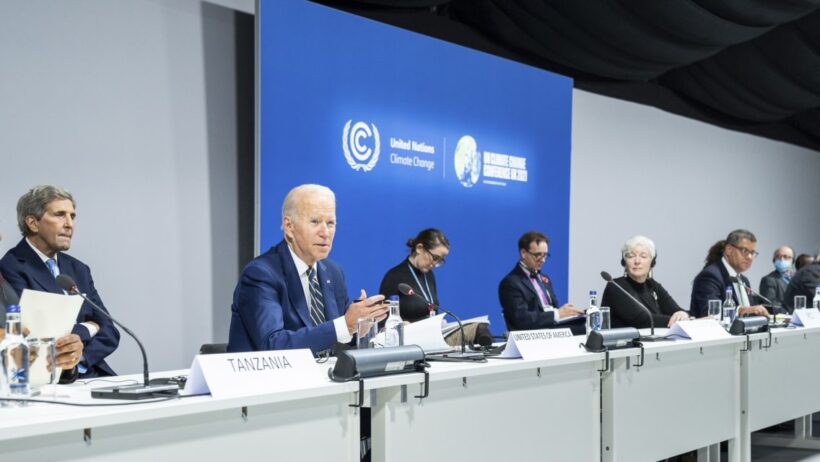
Within the framework of global governance, climate change has been recognized as a paramount challenge that transcends national boundaries. The Paris Agreement, for instance, marks a significant diplomatic endeavor where nations commit to specific emission reduction targets. However, as we scrutinize the actions of governments worldwide, the effectiveness and sincerity of these commitments can vary dramatically. Is merely signing agreements akin to a handshake on the playground, or do these promises carry heft?
In many cases, political discourse surrounding climate change often appears to oscillate between urgency and complacency. Despite an overwhelming scientific consensus on the dire consequences of unchecked warming, expressed through rising sea levels and extreme weather events, the political will to implement transformative policies is frequently stymied. Why is it that despite clear evidence, action can lag, resembling the tortoise in a race against an ever-advancing hare?
A critical analysis of existing policies reveals an uncomfortable quandary: many politicians pay lip service to environmental objectives while simultaneously endorsing fossil fuel industries. The phenomenon of “greenwashing”—where corporations or political entities present themselves as environmentally friendly while continuing harmful practices—illustrates this paradox vividly. This contradiction raises an inevitable challenge: how can citizens discern genuine commitment to climate action from mere rhetoric? Public scrutiny becomes essential in holding elected officials accountable.
Moreover, the financial implications of robust climate policies cannot be overlooked. Transitioning to renewable energy sources, retrofitting infrastructure, and investing in sustainable technologies require substantial capital. Politicians often grapple with conflicting interests; for instance, the immediate economic benefits of fossil fuels can overshadow long-term environmental considerations. This raises another thought-provoking question: Should the wellbeing of the planet take precedence over transient economic gains?
On a regional scale, the narrative varies. Some local governments and states have taken bold strides toward environmental sustainability, embodying pioneering practices that challenge the narrative of stagnation at the federal level. California, for example, has implemented stringent emissions regulations that serve as a model for other regions. However, even within such progressive frameworks, disjointed efforts can lead to inconsistencies that hinder the collective fight against climate change. Thus, how do we reconcile local victories with global responsibilities?
The realities of climate activism extend beyond the confines of governmental action. Grassroots movements and organizations play a crucial role in pushing the climate agenda forward, often catalyzing political action that official channels might otherwise overlook. These movements underscore the importance of civic engagement. Should every individual become an activist in their own right, pressuring lawmakers to prioritize environmental issues? Herein lies another challenge: mobilizing a populace often preoccupied with immediate concerns—jobs, healthcare, and education—while raising awareness about climate change’s imminent threat.
Furthermore, educational initiatives aimed at disseminating information about climate change are instrumental in shaping public perception. As knowledge grows, so too does the expectation of accountability from elected officials. The question remains, however: Is our educational system adequately equipping the next generation to tackle this crisis head-on? There is an undeniable need for a curriculum that fosters critical thinking regarding environmental challenges, empowering students to become informed advocates for the planet.
Internationally, the geopolitical landscape complicates the fight against climate change further. Developing nations, often the most vulnerable to climate impacts, face significant barriers in transitioning to sustainable practices due to economic constraints. This raises an ethical dilemma: should wealthier nations bear a greater responsibility for global emissions, having historically contributed more to the crisis? The concept of climate justice demands that wealth redistribution and support for developing nations be prioritized in global discussions. Can we create a truly equitable framework for climate action that acknowledges these disparities?
In summation, the multifaceted nature of climate politics reveals a sobering reality: while some politicians exhibit commendable efforts in combating global warming, systemic issues, economic interests, and geopolitical dynamics often hinder meaningful progress. The crossroads of rhetoric and action present a formidable challenge that necessitates vigilance and engagement from both constituents and elected officials. Ultimately, the question remains: will our leaders rise to the occasion, or will the weight of complacency prove insurmountable in the face of an existential crisis?
As citizens, the responsibility to demand accountability and enact change does not rest solely on the shoulders of politicians. Collective action, informed discourse, and a commitment to sustainability at every level of society are essential. It’s time to confront the playful yet profound question: Are we doing enough, not just to hold our leaders accountable, but to redefine the paradigm of climate action altogether?