
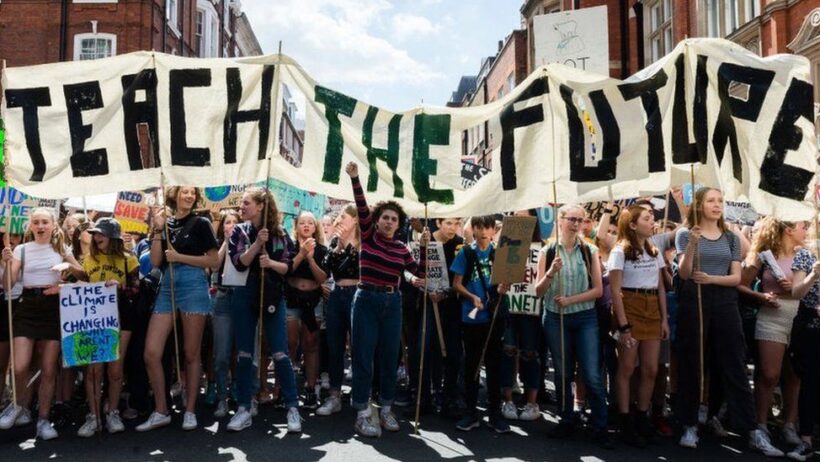

Are schools truly imparting an accurate portrayal of climate change? This question looms large as students around the globe become increasingly concerned about their future in a warming world. It is vital to scrutinize the educational frameworks in place. With an overwhelming amount of evidence pointing towards the existential threats posed by climate change, one must ponder: Are schools equipping young minds with the tools necessary to comprehend the gravity of this crisis?
The educational curriculum, at its core, is designed to shape the perspectives and competencies of future generations. As such, the significance of a robust understanding of climate change cannot be understated. Climate science encompasses a vast array of disciplines including meteorology, environmental science, and even economics. Yet, many schools find themselves at a crossroads—caught between the imperatives of scientific integrity and sociopolitical considerations. Consequently, the question arises: Are educators fully embracing the scientific consensus on climate change, or are they inadvertently undermining it?
First and foremost, it is critical to evaluate the content taught in classrooms. A well-rounded science curriculum should present the mechanisms and consequences of climate change in a clear and factual way. However, reports indicate that curriculum deviations—ranging from ambiguously presented information to outright denial—are not uncommon. Some educators, driven by either personal beliefs or institutional mandates, may dilute the facts, presenting climate change as a mere opinion rather than an empirical reality.
Imagine a scenario where a teacher, conscious of students’ fears about the future, opts for a more “balanced” approach. Rather than emphasizing the overwhelming consensus among climate scientists, this educator introduces fossil-fuel-funded narratives, suggesting that climate change is just one of many perspectives. This practice not only misrepresents scientific realities but also sows seeds of confusion among students who depend on educators for accurate information.
Additionally, the inconsistency of climate change education across different geographical regions exacerbates this problem. In some areas, schools are fortified with resources, incorporating comprehensive environmental science courses that explore climate dynamics, renewable energy solutions, and ecological sustainability. In stark contrast, others may lack the funding or political will to offer such content. Therein lies a paradox: Children in affluent regions may grow to be staunch advocates for environmental action, while their peers in less affluent areas grapple with ignorance about their own ecological impact—a veritable chasm of knowledge that threatens to widen disparities in environmental stewardship.
Moreover, one must consider the pedagogical methodologies employed in teaching climate change. Passive learning—characterized by rote memorization and static assessments—often fails to galvanize students’ interest and engagement with one of the most pressing issues of their time. To truly understand climate change, students must engage in active inquiry, embracing hands-on experiences and critical thinking exercises that foster a genuine connection to the material. By promoting inquiry-based learning, educators encourage students to investigate local climate phenomena, analyze data, and even develop their own solutions to environmental challenges. This type of immersive education not only enhances comprehension but also empowers students to assume personal responsibility for the planet.
The role of extracurricular activities and community involvement should not be overlooked either. Schools that encourage participation in environmental clubs, local conservation efforts, or global initiatives like “Fridays for Future” create a synergistic environment for learning. These platforms afford students a venue to express their understanding while collaborating with like-minded peers. Imagine a student, transformed by the experience of planting trees in their community, returning to the classroom with a newfound passion for climate science. Such experiences can catalyze change and inspire activism beyond the school walls.
Nevertheless, fostering this dynamic approach is not without its challenges. Teachers often face constraints such as standardized testing, which can overshadow essential yet less quantifiable subjects like climate science. Balancing curriculum standards with the need for comprehensive climate education may seem like an uphill battle, but it is one that must be waged. Centrally orchestrated reforms, involving educational policymakers, require an emphasis on environmental literacy as a critical component of the science curriculum. Without intervention, the next generations may inherit a world brimming with unaddressed ecological dilemmas—compounding issues like biodiversity loss and climate-induced migration.
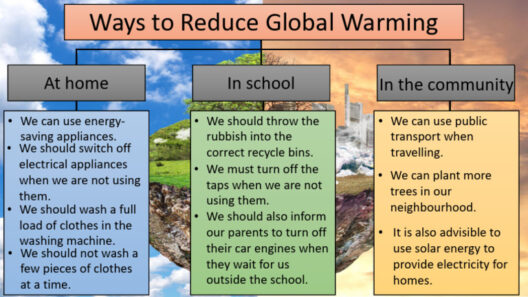
In response to the pressing nature of climate change, initiatives such as teaching sustainable practices can alter the educational landscape. Schools can implement programs that focus on carbon footprints, waste reduction, sustainable agriculture, and renewable energy. Students can develop tangible skills that promote resilience and innovation, turning passive knowledge into proactive measures. Just envision an entire generation of environmentally literate individuals who not only understand climate science but also possess the skills to effect change—they would be formidable allies in the fight against climate change.
Ultimately, the question of whether schools are teaching the truth about climate change reveals deep-seated complexities. While the scientific consensus is unequivocal, the representation of that science within educational contexts is often muddled. Educators and policymakers must acknowledge their critical role in shaping informed citizens. As students demand accountability and transparency, schools must rise to the occasion, armed with accurate information, proactive methodologies, and a commitment to cultivating future leaders in climate action.
Thus, are schools teaching the truth about climate change? The answer may lie in balancing curricula, enhancing teaching methodologies, and ensuring that environmental education remains a priority. The future of the planet rests in the hands of those who are educated today. By fostering an informed, engaged, and proactive citizenry, we can face the climate challenge head-on.