


In the vast tapestry of marine ecosystems, sea turtles stand out not merely for their majestic appearance but also for their pivotal roles within the biological communities they inhabit. Often referred to as “keystone species,” these reptiles are essential in maintaining the health and stability of their environments. Their ecological importance is multifaceted, influencing both flora and fauna in ways that may not always be immediately apparent.
To comprehend why sea turtles are labeled as keystone species, we must first grasp the concept of a keystone species itself. This term, coined by ecologist Robert Paine in the 1960s, describes a species whose presence and actions profoundly shape the structure of an ecosystem. The removal of a keystone species would lead to significant alterations in the ecosystem, often resulting in diminished biodiversity and compromised ecological functions. In this context, sea turtles exemplify this definition through their interactions with various elements within their marine habitats.
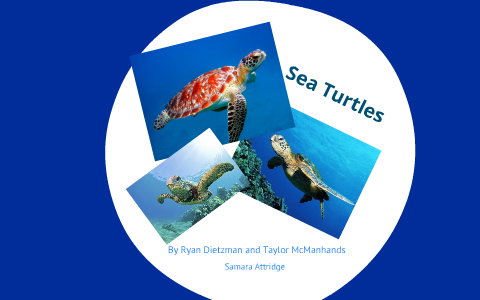
One of the principal ecosystems impacted by sea turtles is the seagrass beds. These verdant underwater meadows play a critical role in carbon sequestration and serve as essential habitat for numerous marine organisms. Sea turtles, particularly the green turtle (Chelonia mydas), thrive on seagrass. Their grazing behavior not only maintains the health of these beds by preventing overgrowth but also facilitates nutrient cycling. The selective foraging of seagrass by turtles promotes biodiversity, ensuring that various species can coexist and flourish in this habitat.
Moreover, the influence of sea turtles extends to the health of coral reefs. The loggerhead turtle (Caretta caretta), known for its propensity to feed on jellyfish, inadvertently serves as a critical regulator within these ecosystems. By controlling jellyfish populations, loggerheads help protect the delicate balance of coral species, which can be adversely affected by jellyfish overpopulation. Thus, through their feeding habits, sea turtles engage in a form of natural mitigation, allowing other marine species to thrive in a balanced competitive environment.
The nesting behaviors of sea turtles further underscore their keystone status. Each year, female turtles embark on epic journeys to return to their natal beaches to lay eggs, a journey dictated by centuries of evolutionary instinct. The nesting sites are not only vital for the continuation of their species but also create nutrient-rich areas that support a plethora of marine life. During nesting, the eggs and hatchlings become a source of sustenance for various predators, including crabs, birds, and even fish. This interaction highlights the complex web of life that sea turtles help sustain, providing food sources that enhance local biodiversity.
Furthermore, the decomposition of unhatched eggs and leftover nests contributes to the nutrient cycling within coastal regions. Nutrients leach into the surrounding sand and water, fostering an environment where diverse grasses and macroalgae can flourish. This natural fertilization process underscores the interconnectedness of species within the ecosystem, with sea turtles as facilitators of this enriching cycle.
Beyond immediate ecological interactions, sea turtles also have considerable cultural and economic significance. In many coastal communities worldwide, these reptiles are viewed as symbols of marine health and biodiversity. Their presence often translates to thriving ecosystems, which can sustain fisheries and attract tourism. Keystones to both nature and humanity, sea turtles exemplify the synergistic relationship between ecological health and human prosperity.
However, the plight of sea turtles is pressing and requires immediate attention. Human activities, including coastal development, pollution, and climate change, threaten their existence. The increasing temperatures of ocean waters lead to rising sand temperatures at nesting beaches, which can skew the sex ratios of hatchlings—a phenomenon that potentially jeopardizes future populations. Additionally, marine debris, particularly plastic, poses lethal risks as these creatures often mistake it for food. As a consequence, they may ingest harmful materials that result in impaired health or death.
Conservation efforts aimed at protecting sea turtles have begun to gain momentum, yet challenges persist. Initiatives such as establishing marine protected areas, implementing bycatch reduction technologies, and instituting awareness campaigns are all critical in the fight to ensure the survival of sea turtles. The success of these efforts is vital not solely for their sake but for the overarching health of marine ecosystems on which countless species, including humans, rely.
In conclusion, the importance of sea turtles transcends their picturesque appearances and longevity. As keystone species, their vital roles in marine ecosystems illustrate the intricate relationships between species and underscore the delicate balance maintained within nature. Protecting these remarkable creatures is not just an environmental duty; it is a moral imperative. The vitality of our oceans hinges on their survival, making it essential for us to recognize their ecological importance and advocate for their continued existence in our shared world.