


Imagine standing on a sun-kissed beach, the azure waters of the Pacific lapping at your feet, and suddenly catching sight of a sleek, black-and-white creature waddling along the shore. Penguins in the Galapagos Islands? It sounds almost too whimsical to be true. However, the reality is that these charming birds have indeed made their home in this unique archipelago. Yet, exploring their existence prompts a multitude of questions, not only about their habitats but also about the fragile ecosystems they inhabit.
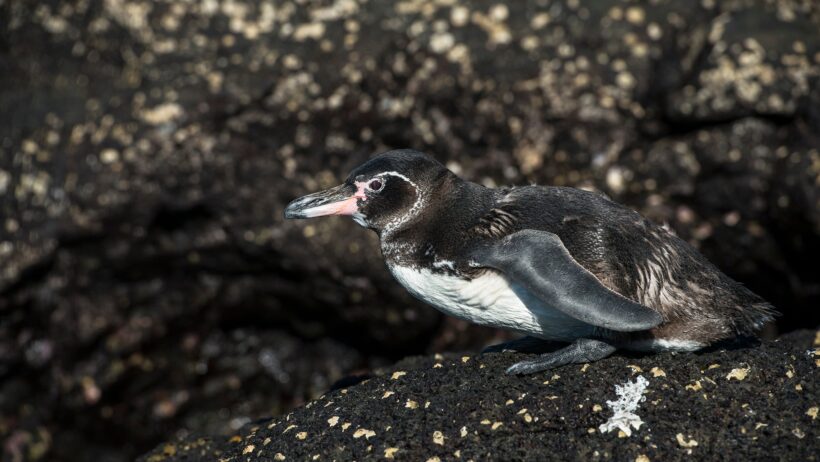
Endemic to the Galapagos Islands, the Galapagos penguin (Spheniscus mendiculus) is the only species of penguin found north of the equator. Unlike their cold-weather relatives, these little birds thrive in a tropical climate, where they maintain their remarkable adaptations to navigate their oceanic realm. But what is it about these islands that has allowed this species to flourish? And what challenges do they face in their unique environment?
Penguins are typically associated with the icy tundras of Antarctica, but the Galapagos penguin presents a striking contrast to this stereotype. These diminutive birds can reach a height of about 19 to 24 inches, making them smaller than the average housecat. They are distinctive with their sleek bodies and a layer of streamlined feathers, which shields them from both the heat of the sun and the chill of the water. Their most notable feature is the asymmetric white stripe that adorns their head, creating an elegant appearance that is both charming and functional.
In terms of habitat, Galapagos penguins inhabit the coastal areas of the islands, particularly around the western isles, including Fernandina and Isabela. Their natural environment is characterized by rocky shorelines, where they can find ample crevices to nest. These rocky alcoves provide them with protection from predators and harsh weather conditions. They are also found near the ocean’s edge, where they can easily hunt for their primary diet, consisting mainly of small fish, crustaceans, and other marine life. The availability of food, coupled with suitable nesting sites, plays a critical role in their survival.
The Galapagos penguins are social animals, often seen in small groups, engaging in playful antics that can entertain observers. They rely on a communal structure, exhibiting a fascinating social dynamic that includes both cooperative hunting and nurturing behaviors. Mating pairs typically bond for life, with the female laying two eggs, which both parents take turns incubating. Once hatched, the fluffy, gray chicks are nurtured by their parents until they are ready to venture into the water, a moment that marks both a milestone and a continuation of their lineage.
However, the existence of these lovable birds is intricately tied to the health of their habitat. The Galapagos Islands are subject to unique ecological challenges that could jeopardize the delicate balance of life here. Climate change has emerged as a formidable adversary, altering sea temperatures and affecting the abundance of the marine life that penguins depend on for survival. Warmer waters can lead to the decline of fish populations, forcing penguins to travel further afield in search of food, a risky endeavor that can deplete their energy reserves significantly.
Moreover, human activity has left an indelible mark on the islands. The introduction of invasive species, whether it be new predators or competitors for resources, poses a significant threat. Rats, feral cats, and goats are just a few examples of invaders that disrupt the natural environment. Their presence not only threatens the penguin population but also the myriad other species endemic to this remarkable ecosystem.
Pollution, particularly marine debris and oil spills, further exacerbates the vulnerability of the Galapagos penguin. These birds rely heavily on clean oceans; any contamination can have dire consequences for their health and breeding success. With every passing year, the pressure of tourism continues to build. While it brings awareness and funds for conservation, the increased foot traffic can disturb nesting sites and contribute to environmental degradation.
As we look toward the future of the Galapagos penguin, there is a growing consensus on the need for robust conservation efforts. The Galapagos National Park and the Charles Darwin Foundation are actively engaged in initiatives aimed at preserving the delicate balance of this unique ecosystem. Such efforts include controlling invasive species, monitoring the penguin population, and raising awareness about the challenges that these birds face.
It is crucial for researchers and conservationists alike to continue their efforts with vigor and diligence. The story of the Galapagos penguin is not just a tale of survival; it is a reflection of humanity’s relationship with nature. By protecting these remarkable birds, we engage in a broader fight to preserve the splendor of the Galapagos Islands and ensure that their natural wonders endure for generations to come.
In conclusion, to ponder the question: Are there penguins in the Galapagos? The answer is a resounding yes, but this affirmation comes with the acknowledgment of the myriad challenges that they face in an increasingly uncertain world. Their resilience inspires us to take action, foster awareness, and advocate for sustainable practices that will safeguard both the Galapagos penguin and the fragile ecosystems of their home.