
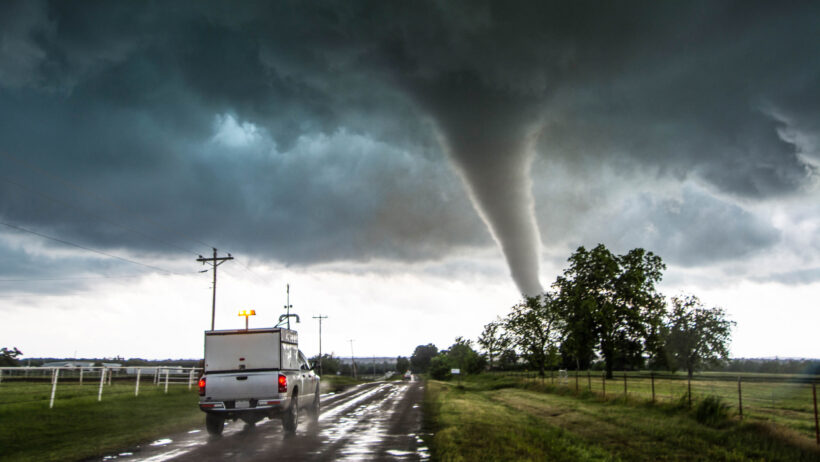

In recent years, the discussion surrounding climate change and its multifaceted impacts has gained unprecedented momentum. Among the myriad of inquiries stemming from this discourse, one of the most contentious and urgent is the correlation between climate change and tornado activity. Are tornadoes merely products of meteorological phenomena, or do they serve as a harbinger of climate change? This question invites a myriad of perspectives from climatologists, meteorologists, and environmental scientists, who endeavor to unravel the complex interplay of factors contributing to tornado formation.
The intricate dynamics of tornado formation are deeply entrenched in a confluence of atmospheric conditions. Typically, tornadoes occur when warm, moist air near the ground rises and combines with cooler, drier air aloft. The resulting instability triggers severe thunderstorms, leading to the development of tornadoes under specific rotational conditions. It is this very complexity that makes linking tornado frequency and intensity to climate change particularly challenging. Many researchers argue that while climate change may not directly instigate tornadoes, it can modulate the conditions under which these violent storms thrive.
One of the pivotal inquiries centers around the potential for climate change to influence the occurrence of tornadoes. Evidence suggests that as average global temperatures rise, the atmosphere can hold more moisture. This increase in moisture can potentially amplify the severity of storms, which, in a secondary effect, might lead to a heightened incidence of tornadoes. Furthermore, warmer conditions could shift the traditional “Tornado Alley” bounds, relocating tornado frequency to new regions that have not historically experienced such phenomena. This displacement could have devastating effects on communities that are unprepared for tornado events.
Moreover, scientists have recently scrutinized the trends in tornado occurrence and strength over multiple decades. Some studies indicate a paradoxical decline in the frequency of tornadoes across certain regions, while others point to an uptick in the intensity of tornadoes that do form. This divergence raises questions regarding the long-term impacts of climatic alterations. Are we witnessing a quantitative decline in tornadoes, or are the remaining tornadoes simply becoming more destructive due to enhanced atmospheric instability? The answers to these questions hinge on the delicate balance of climatological factors.
Researchers are not only delving into whether climate change alters tornado dynamics; they are also investigating how variability in climate can affect the characteristics of tornadoes themselves. For instance, tornadoes may occur in tandem with severe weather conditions exacerbated by climate change, such as increased precipitation and rising temperatures. These changes can lead to more powerful tornadoes, characterized by higher wind speeds and prolonged lifespans. The prospect of such enhanced tornadoes casts a long shadow on vulnerable communities, necessitating robust disaster preparedness strategies.
Another fascinating dimension of this discourse involves the temporal patterns of tornado formation. Historically, various regions have shown seasonal peaks in tornado activity. However, as climate change continues to progress, scientists are concerned that the seasonal predictability of tornadoes may become increasingly erratic. A more complex atmospheric behavior may result in tornadoes occurring outside the traditional boundaries of storm seasons, further complicating preparedness and response strategies.
Despite the scientific community’s ongoing investigations, a consensus regarding the effects of climate change on tornadoes remains elusive. Some researchers maintain that while tornadoes cannot be directly attributed to climate change, the climate crisis serves to create a more conducive environment for severe weather events, including tornadoes. This perspective emphasizes the need for policymakers and communities to remain vigilant, adapting to the evolving climate landscape.
It is essential to address the socio-economic implications resultant from potential changes in tornado patterns. Tornadoes inflict catastrophic damage, claiming lives and leading to significant economic losses. With climate change potentially exacerbating the severity of these storms, vulnerable populations could face an exacerbated risk of injury and displacement. Such disparities necessitate proactive measures to ensure that marginalized communities have access to resources and education regarding tornado preparedness. The intersection of climate justice and disaster resilience should be a focal point for advocates and policymakers alike.
In conclusion, the nuanced relationship between climate change and tornadoes remains a subject of critical inquiry. While definitive causal links are complex and multifaceted, the implications of climate change on tornado dynamics cannot be dismissed. As scientists strive to unveil the layers of this intricate question, communities must prepare for the potential realities of a changing climate. Enhanced research efforts, public policy interventions, and community engagement are fundamental components in addressing the looming threat posed by tornadoes in an era defined by climatic upheaval. The urgency of the matter compels a collective response, equipping us to navigate our increasingly volatile atmospheric future.