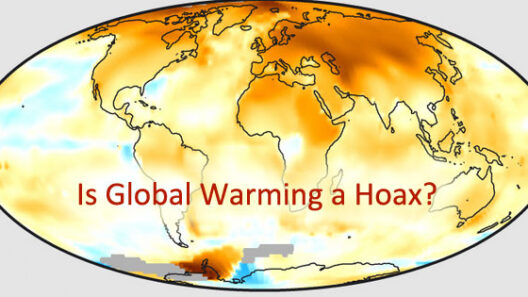



As winter descends upon many regions, the traditional vision of frosty mornings and snow-covered landscapes seems increasingly at odds with reality. The phenomenon of unseasonably warm winters has sparked significant discourse, leading us to ponder whether these fluctuations are mere anomalies or indicative of a deeper, more insidious problem. The question arises: are warm winters a red flag for global warming?
To commence our exploration, it is crucial to understand the intricacies of global warming and its broader implications. Global warming is characterized by the gradual increase in Earth’s average surface temperature due to an uptick in greenhouse gas emissions. These gases, primarily carbon dioxide and methane, create a blanket-like effect, trapping heat in the atmosphere and leading to a cascade of climatic changes. As a result, we witness phenomena such as altered precipitation patterns, rising sea levels, and indeed, warmer winters.
Historically, winters are defined by cold temperatures, snow, and ice; however, in recent years, numerous regions have experienced record-setting temperatures during the winter months. For instance, cities that traditionally rely on frosty conditions for winter sports and seasonal tourism have reported uncharacteristically warm temperatures. Such shifts can precipitate a range of complications for local ecosystems and economies. Wildlife practices, agricultural cycles, and even human health can be adversely impacted.
The disconcerting temperature shifts observed during winter months are not merely incidental; they are part of a larger pattern. As temperatures rise overall, the intensity and frequency of extreme weather events increase. This includes both unseasonably warm days and severe cold snaps, attributed to a phenomenon known as the “polar vortex.” It refers to the large area of low pressure and cold air surrounding the Earth’s poles. When disrupted, it can lead to erratic weather patterns, explaining why some regions experience warmth while others face frigid conditions.
Crucially, the consequences of warmer winters extend beyond immediate discomfort. Ecosystems are deeply intertwined; a warm winter can disrupt migratory patterns of birds, alter spawning schedules in aquatic species, and lead to mismatches in predator-prey relationships. For example, if plants bloom too early due to unseasonably high temperatures, insects that rely on them might not yet be active, leading to food shortages. Such disruptions can have cascading effects, endangering biodiversity and destabilizing entire ecosystems.
A further dimension to consider is the impact on agriculture. Farmers depend on seasonal cues to determine sowing and harvesting times. A warmer winter could signal an earlier spring, causing confusion in planting schedules and potentially leading to crop failures or reduced yields. Regions that have relied on specific varieties of crops may find themselves at risk, urging the need for adaptation and perhaps even a reevaluation of agricultural practices that have supported them historically.
From a human health perspective, warmer winters can contribute to the proliferation of pests and diseases. Milder temperatures may foster environments that permit certain vectors, such as mosquitoes and ticks, to thrive beyond their typical cold-weather limits. This can lead to an uptick in vector-borne diseases, posing significant public health challenges. Additionally, extreme fluctuations in temperature, including sudden cold snaps following a warm period, can lead to increased incidences of hypothermia and other cold-related health issues.
Moreover, the socio-economic implications of warm winters cannot be overstated. Some regions that rely heavily on winter tourism may find their economies threatened as ski resorts face diminishing snow cover and shorter seasons. The resulting economic downturns might affect local jobs and businesses reliant on winter sports. In contrast, other regions could find temporary benefits, experiencing an influx of tourists seeking warmer climates. This disparity highlights the uneven effects of climate change, often exacerbating inequalities.
In light of these multifaceted consequences, it becomes evident that warm winters serve as significant indicators of a larger climate crisis. The urgency of addressing these patterns cannot be overstated. Stakeholders, including policymakers and environmental advocates, must recognize the implications of climate change on seasonal weather and its ripple effects across various sectors. Education and awareness become vital instruments in fostering public understanding and action.
Addressing the root causes of global warming requires a multi-pronged approach. Reducing greenhouse gas emissions through the utilization of renewable energy sources, enhancing energy efficiency, and promoting sustainable practices are integral to reversing trends. Furthermore, investing in research to develop innovative solutions to mitigate and adapt to climate variations can foster resilience. Reforestation efforts and wetland restoration can also contribute positively to the ecosystem while sequestering carbon.
In conclusion, the observation of warm winters serves as a crucial barometer of the ongoing climate crisis. These anomalously high temperatures underscore the complex interdependencies within our ecosystems, economies, and health. As stewards of the Earth, we must remain vigilant and proactive in our response to these shifts. The specter of global warming looms large, and the time for meaningful action is now, lest we be left grappling with the dire consequences of inaction for future generations.