

The phenomenon of global warming has transitioned from theoretical predictions to palpable realities, presenting a clear urgency for individuals and societies alike. This article will delve into the multifaceted effects of climate change, offering insights into observable trends, scientific evidence, and potential ramifications for the future.
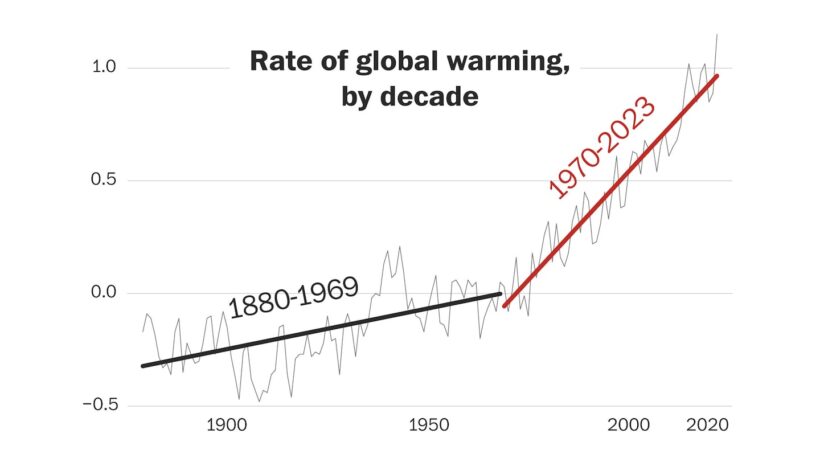
At the forefront of this issue is the alarming increase in global temperatures. Since the late 19th century, the average temperature of the Earth has risen significantly, with the last few decades witnessing unprecedented spikes. The Intergovernmental Panel on Climate Change (IPCC) warns that we are on track to exceed the critical threshold of 1.5 degrees Celsius above pre-industrial levels. This rise is not merely a statistic; it manifests in our everyday lives, altering weather patterns, ecosystems, and human health.
Extreme weather events have become increasingly common, showcasing the direct impacts of a warming planet. Hurricanes, droughts, floods, and wildfires are not only more frequent but also more potent. Take, for example, the Atlantic hurricane season, which has seen a disturbing exhibit of intensity and frequency in storms. Higher sea surface temperatures contribute to the energy available for storm formation, leading to severe hurricanes that wreak havoc on coastal communities.
Droughts, too, have become more prevalent, particularly in arid and semi-arid regions. The interplay of increased evaporation rates and diminished precipitation contributes to prolonged dry spells, resulting in agricultural decline. Farmers face significant challenges: crop yields falter, livestock suffer, and food security hangs in the balance. Regions that once thrived in agriculture are transforming into inhospitable landscapes, prompting migrations and social unrest.
Shifts in precipitation patterns are similarly alarming. Some areas are deluged with excessive rainfall, leading to catastrophic flooding. Others, conversely, endure crippling droughts. Cities and governments grapple with adapting infrastructure to meet the challenges posed by these erratic weather conditions. The financial burden is heavy, both in terms of immediate disaster relief and long-term adaptation strategies.
Beyond weather extremes, the effects of global warming infiltrate ecosystems in profound ways. Biodiversity is under siege, with species struggling to adapt to rapidly changing climates. Coral reefs serve as a poignant example. Rising ocean temperatures and acidification threaten these vital marine ecosystems, resulting in coral bleaching events that can devastate marine life. Fish populations, reliant on healthy reefs for shelter and food, face dwindling numbers. Entire marine habitats, once thriving, now languish due to the ongoing shifts in climate.
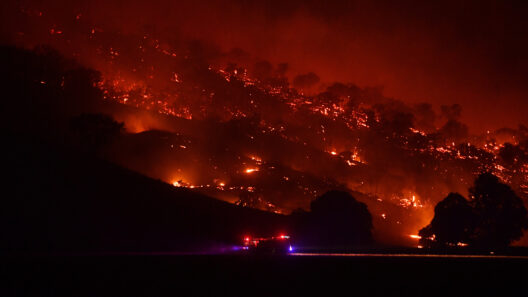
Forests, too, are bearing the brunt of climate change. As temperatures rise, the frequency and intensity of wildfires increase. These infernos not only devastate vast tracts of land but also release substantial amounts of carbon dioxide, exacerbating the very issue we seek to mitigate. Forests that previously acted as carbon sinks are now contributing to atmospheric carbon levels, creating a vicious cycle.
Human health is becoming increasingly compromised as global warming persists. Heatwaves pose direct health risks, exacerbating conditions such as heat stroke and cardiovascular problems. Vulnerable populations, including the elderly and those with preexisting health conditions, are particularly at risk. Moreover, the spread of vector-borne diseases, such as malaria and dengue fever, is facilitated by changing climate conditions, expanding the range and incidence of these infectious diseases.
The socioeconomic implications are profound and far-reaching. As resources dwindle and natural disasters become commonplace, marginalized communities often bear the brunt of these changes. Displacement due to rising sea levels will generate climate refugees, challenge national borders, and strain international resources. Globally, social inequalities are projected to widen, as affluent nations possess the means to adapt, while poorer countries struggle to cope with the impending crises.
Recognizing these challenges is imperative for driving the necessary actions to combat global warming. Mitigation strategies, such as transitioning to renewable energy sources, improving energy efficiency, and enhancing carbon capture technologies, are essential. Public awareness campaigns can mobilize grassroots activism, urging individuals to modify their consumption patterns and advocate for policy changes at local, national, and global levels.
Adaptation strategies are equally crucial. Urban planning must account for the realities of climate change, emphasizing resilient infrastructure capable of withstanding extreme weather events. Ecosystem restoration, such as reforestation and protecting wetlands, can bolster natural defenses against the impacts of rising sea levels and flooding. Fostering community resilience ensures that societies can withstand the pressures of climate change and emerge stronger in its wake.
In conclusion, we are indeed experiencing the effects of global warming, manifesting in diverse and consequential ways. From extreme weather events to ecological upheaval and health crises, the ramifications of climatic changes permeate every aspect of life. Immediate and comprehensive action is essential to mitigate these effects and secure a sustainable future. Increasing public awareness and fostering a collective sense of responsibility can catalyze the systemic changes necessary to combat global warming and protect our planet for future generations.