


Australia, a vast and diverse continent, possesses an array of unique climatic zones, each contributing to the intricate tapestry of its environmental identity. From the arid expanses of the Outback to the temperate climes of the coastal regions, Australia’s climate is a narrative of extremes intertwined with resilience. The juxtaposition of these environments provides a platform for understanding not only the natural world but also the implications of climate change that threaten its delicate equilibrium.
The Australian Outback, characterized by its sun-scorched terrain, evokes imagery of endless horizons and relentless heat. Temperatures can soar beyond 40 degrees Celsius (104 degrees Fahrenheit) in the summer months, creating an almost infernal tapestry where flora and fauna have adapted to survive in such inhospitable conditions. This aridity is punctuated by sporadic rainfall, resulting in dry riverbeds that suddenly transform into torrents during irregular monsoonal seasons. The phenomenon of drought is a recurrent narrative in the Outback, where desiccation and the specter of wildfires loom ever present. These fires, increasingly intensified by climate change, are a salient reminder of the microcosm of life that exists in this harsh region.
However, the Outback’s climate is not entirely devoid of temperate zones. Transitioning towards the southeastern coastal territories, one can observe a gradual shift in temperature and humidity. The southern regions are graced with a more temperate climate, thanks to the moderating influence of the Southern Ocean. Here, one finds lush eucalyptus forests and biodiverse ecosystems that contrast sharply with the austere landscapes of the Outback. Coastal cities like Sydney and Melbourne enjoy mild winters and moderate summers, making them attractive to both residents and tourists alike.
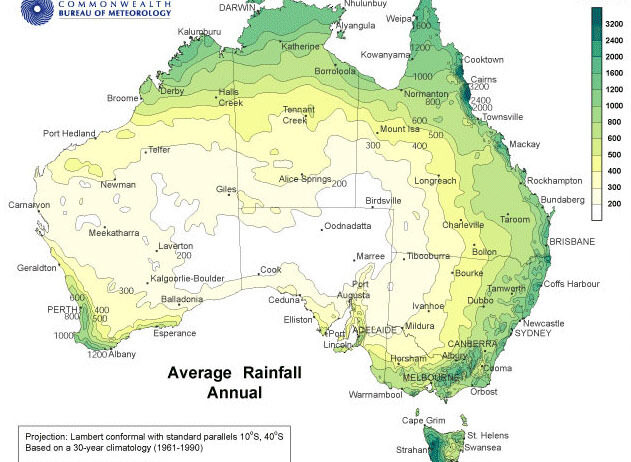
The geography of Australia lends itself to diverse weather patterns. The Great Dividing Range, stretching along the eastern seaboard, acts as a climatic barrier. It affects rainfall distribution, with coastal regions receiving abundant precipitation, while the western side remains parched. For instance, the hinterland around Perth experiences aridity similar to that of the Outback, yet is juxtaposed with the lush, temperate climate encountered just a few hundred kilometers to the east. This climatic disparity underscores the importance of topography in shaping Australia’s environmental narrative.
Climate change, however, poses a significant challenge to Australia’s atmospheric equilibrium. Rising temperatures are contributing to shifts in weather patterns, leading to heightened instances of severe weather phenomena such as cyclones, droughts, and bushfires. This emerging paradigm compels communities to adapt, innovate, and modify their practices to withstand the intensified impacts of a warming globe. Coastal towns face the increasing threat of storm surges and rising sea levels, leading to potential displacement of populations and the degradation of ecosystems.
Cumulatively, these climatic changes demand a paradigm shift in how Australians perceive their environment and its fragility. Engaging with climate science and acknowledging our role in shaping these variables can lead to informed decision-making. Furthermore, integrating indigenous knowledge and practices—developed over millennia in harmony with the land—can offer valuable insights into sustainable practices. The wisdom of Aboriginal Australians, who possess an intrinsic understanding of fire management and seasonal changes, may prove vital in confronting contemporary climate challenges.
Moreover, the phenomenon of the “urban heat island” effect in metropolitan areas further complicates the narrative. As cities expand, they craft a unique microclimate that can lead to increased heat retention and altered weather patterns, amplifying the effects of global warming. An urgent need arises for urban planning to incorporate green spaces and sustainable infrastructure, aimed at cooling urban centers and enhancing the resilience of habitats. The promotion of renewable energy solutions also plays a pivotal role in addressing the broader implications of fossil fuel consumption, as Australia grapples with its identity as both a major resource exporter and a potential leader in sustainable practices.
Coastal ecosystems, particularly coral reefs, are experiencing unprecedented changes due to rising sea temperatures and acidification. The iconic Great Barrier Reef serves as a barometer for the health of the surrounding marine environment. Its bleaching events are stark warnings of the perils that lie ahead if immediate action is not taken. Emphasizing conservation efforts, restoring marine habitats, and enforcing stricter regulations on pollution are crucial components of preserving these delicate ecosystems.
Australia’s biodiversity is at a critical juncture, facing extinction as climate change exacerbates habitat loss. The urgency to act is evident; the time for complacency has passed. By investing in conservation initiatives, habitat restoration, and environmental education, Australia can champion a new ethos toward climate stewardship that prioritizes sustainability. Furthermore, collaboration on both national and global platforms is essential, fostering partnerships and sharing knowledge across borders in the fight against climate change.
To summarize, Australia’s climate is a dramatic interplay of extremes, a canvas painted with the colors of both aridity and temperateness. Understanding this dynamic enhances our appreciation of the natural world and emphasizes the need for collective action. As climate challenges intensify, we hold the potential to shape a future that harmonizes human activity with the health of the planet. Embracing this call to action can lead to a profound shift in perspective, allowing us to envision an Australia where both the Outback inferno and coastal cool coexist in a sustainable balance.