
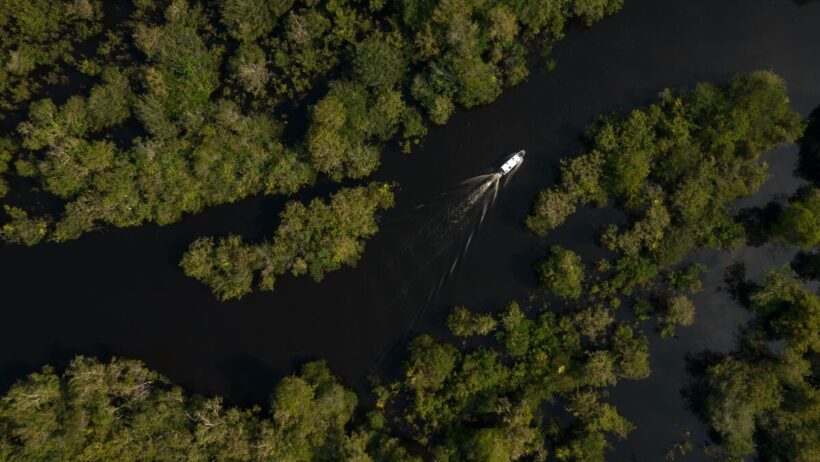

The interconnectedness of our planet’s ecosystems echoes through the canopies of the world’s rainforests, where biodiversity flourishes amidst the complexity of nature. Yet, a troubling trend emerges as banks funnel billions of dollars into businesses that threaten these vital ecosystems. This paradox not only alarms environmental activists but raises crucial questions about the financial sector’s priorities and its role in the dance between economic growth and environmental preservation.
At the heart of this analysis lies an unsettling dichotomy: the perennial pursuit of profit juxtaposed with the urgent need for sustainability. In recent years, reports have surfaced highlighting the indisputable link between financial institutions and deforestation, particularly in regions where rainforests are under siege by agricultural expansion, logging, and mining. These revelations stimulate critical discourse about corporate responsibility and the ethical implications of augmenting ecological degradation for short-term financial gain.
As financial entities continue to lavish funds on clients whose operations precipitate deforestation, it raises the perennial question—what drives banks to invest in projects detrimental to the planet? One plausible explanation is the incessant demand for commodities derived from rainforest lands, including palm oil, soy, and precious metals. These commodities hold immense sway in global markets, alluring banks to finance ventures that promise considerable returns despite their environmental ramifications.
While economic incentives flourish, it becomes increasingly imperative to unravel the motivations underpinning these investments. The pursuit of immediate profit is oftentimes shrouded by the allure of rapid industrial growth, and banks are merely responding to the cadences of global capitalism, where the rhythm of profit frequently drowns out the cries of ecological destruction.
Yet, to attribute this financial support solely to profit-seeking motives overlooks the intricacies of institutional behavior. Banking institutions, influenced by shareholders, market analysts, and client demands, often prioritize short-term returns to satisfy the ever-pressing expectations of their investors. This orientation towards immediate financial success creates an environment where environmental considerations are sidelined, and the long view of sustainable practices is rarely adopted.
The consequences of such financial practices are stark. Deforestation not only devastates local ecosystems but also accelerates climate change, with forests serving as indispensable carbon sinks. The destruction of rainforests contributes to the release of significant quantities of carbon dioxide, exacerbating global warming. The irony of banks feting profits from companies engaged in actions that precipitate climate crises cannot be overstated. In contemplating this paradox, one might question: is this merely a reflection of shortsightedness in the corporate world or a deliberate gamble with planetary health?
A pivotal aspect of the conversation concerns the regulatory frameworks governing financial institutions. In many cases, banks operate within permissive legal environments where insufficient regulations enable unsustainable practices to proliferate. Coupled with a lax oversight on environmental impacts, the financing of environmentally-perilous ventures continues unabated. This systemic weakness amplifies the disconnect between financial growth and ecological integrity, creating an ecosystem of exploitation rather than stewardship.
Moreover, the culpability does not solely rest upon the financial institutions themselves. Governments play a significant role in this landscape, occasionally prioritizing economic growth over environmental sustainability. In many developing regions, where much of the world’s rainforests reside, the promise of foreign investment often supersedes environmental concerns. As these nations align themselves with the exigencies of globalization, the sanctity of their ecological heritage risks being eroded, all in the name of progress.
In response to these pressing challenges, a growing cadre of environmental activists and organizations are mobilizing to examine the role of finance in rainforest destruction. Campaigns aimed at increasing transparency within the financial sector have emerged, pressuring banks to adopt more sustainable practices and consider the ecological repercussions of their investments. The push for divestment from environmentally harmful sectors has gained traction, urging financial institutions to redirect their resources towards projects that advocate for ecological restoration and the preservation of biodiversity.
Moreover, the integration of Environmental, Social, and Governance (ESG) criteria into investment strategies provides a glimmer of hope. This evolution in financial assessment emphasizes the importance of sustainable practices and ethical considerations in corporate governance. As investors increasingly recognize the significance of environmental stewardship, it becomes apparent that the future of finance may lie in a paradigm shift that reconciles profit with planetary health.
Ultimately, the narrative surrounding banks’ investments in clients threatening rainforests reveals a complicated interplay of economic motivations, regulatory shortcomings, and corporate culture. This phenomenon underscores a profound need for transformation within both the financial sector and governmental policies, with extensive ramifications for global environmental efforts. As climate change continues to unfold, the stakes are higher than ever. The commitment of financial institutions to rethink their investment strategies could either exacerbate the pressures on the world’s most critical ecosystems or herald a new era in which sustainability trumps short-term profit.
In sum, the continued flow of financial resources into ventures endangering rainforests encapsulates a broader narrative steeped in complexity. It invites reflection on the prevailing values that govern not only the banking sector but also our choices as consumers and citizens. The future of our planet may very well hinge on this introspective journey—a quest to harmonize financial success with the preservation of the earth’s most invaluable treasures.