
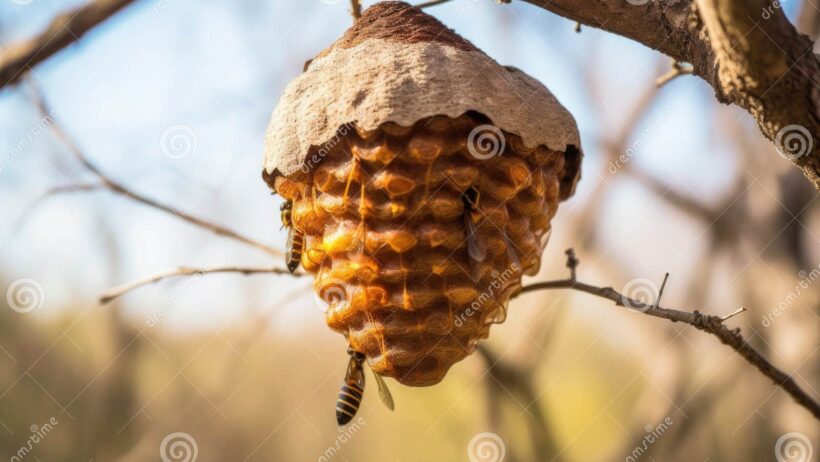

Throughout history, bees have captured the fascination of humanity with their industriousness, complex social structures, and crucial role in pollination. Yet, what happens when you observe bees intermingling with the branches of a tree, seemingly without a hive in sight? The sight may beckon contemplation—are these creatures lost, or is there a deeper nuance at play? This article delves into the phenomenon of bees in trees without hives, exploring the implications, the reasons behind this curious behavior, and what actions can be taken if these buzzing pollinators become a part of your arboreal life.
Understanding Bee Behavior: A Complex Tapestry
To comprehend the conundrum of bees inhabiting trees sans hives, one must unravel the complex tapestry of bee behavior and ecology. Generally, bees construct hives as secure sanctuaries for their communities, providing protection and facilitating the vital processes of reproduction and resource allocation. Yet, certain species like the solitary bees do not follow conventional hive-building practices. Instead, they often seek refuge in natural cavities, crevices, or even the hollows of trees. This phenomenon not only highlights the diversity within the apian world but also suggests that not all bees conform to societal norms.
Or consider the possibility that the bees observed around your tree may be scouting the area, searching for an ideal nesting site. Bees are magnificent architects. They are known to explore various locales before settling down. In the absence of a visible hive, they may be merely transient visitors, looking for an appropriate place to create a hive or exploit local resources like nectar and pollen.
Ecological Significance: The Role of Tree-Dwelling Bees
The presence of bees around trees holds profound ecological significance. Trees are vital components of ecosystems, serving as habitats, sources of food, and natural air purifiers. Bees, on the other hand, are integral to the pollination process. The interaction between the two creates a symbiotic relationship that sustains biodiversity. The absence of a hive does not diminish their role; instead, it raises critical questions about their activities and motivations.
Moreover, bees foraging on trees can be indicative of a healthy environment. If you observe bees frequenting your garden’s trees, consider it a good omen. Healthy bee populations contribute to the pollination of fruit trees, flowering plants, and even vegetables, culminating in a robust ecosystem that benefits all living entities. Thus, rather than viewing the presence of these bees with apprehension, it is beneficial to embrace their role within the natural order.
The Playful Question: Why Are They Here?
Challenges Faced: Navigating Pests and Pollinators
Moreover, consider the possibility that some tree-dwelling bees are merely passing through. In such cases, eviction may not only be unnecessary but also detrimental. Since bees contribute to pollination, allowing them to flourish could be beneficial for your garden and local biodiversity. Should their activities encroach on your daily life, exploring non-lethal deterrents like natural repellents can help manage the situation without harming these valuable creatures.
Actions to Take: Embracing Coexistence
- Observation: Spend time simply watching the bees. Take notes on their behavior, how they interact with the environment, and whether they appear to be collectivizing.
- Consultation: Reach out to local beekeepers or environmental groups for insights. Their expertise can shed light on species identification and behavioral tendencies.
- Native Planting: In conjunction with bee-friendly practices, consider planting native flora that attracts bees. This fosters a thriving ecosystem.
- Education: Engage your community in discussions regarding the importance of bees. Crafting awareness can foster a culture of respect and protection.
Conclusion: Respecting the Unseen Lives