


Have you ever stood in your kitchen, staring at your collection of plastic food containers, and pondered, “Is there a better way?” The omnipresence of plastic in our daily lives is difficult to ignore. These containers may be convenient, but their environmental impact is staggering. As more people embrace eco-conscious living, the quest for sustainable alternatives has become imminent. Indeed, the challenge isn’t just a matter of substituting one container for another; it requires a shift in mindset and a dedication to preserving our planet.
As the spotlight shines on climate change and plastic pollution, the need for viable substitutes to plastic food containers has never been more critical. Let us embark on a journey through some of the best alternatives that are not only functional but also reflect an eco-friendly ethos.
1. Glass Containers: The Timeless Choice
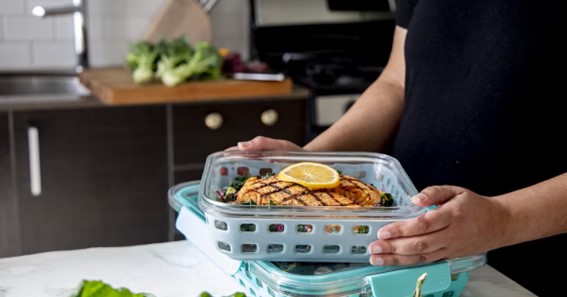
Glass containers have long been heralded as the quintessential alternative to plastic. Their durability and resistance to stains and odors make them ideal for storing various foods. Unlike plastic, glass does not leach harmful chemicals into food, ensuring that what you consume is safe and wholesome. A delightful feature of glass is its versatility; it can be used in the microwave, oven, or freezer without fear of warping. Furthermore, their aesthetic appeal adds a touch of elegance to food storage. However, one must exercise a degree of caution; glass can be heavy and breakable, posing a risk in busy environments.
2. Stainless Steel: Strength Meets Sustainability
If you’re searching for an indestructible option, stainless steel containers might just be your answer. Known for their robust nature, these containers are perfect for both food storage and on-the-go meals. Unlike their plastic counterparts, stainless steel is resistant to rust, corrosion, and rust, making them a wise investment. They are typically designed with airtight seals, ensuring freshness while aiding in odor retention. The major downside? They can be more expensive initially, but their longevity makes them worthwhile in the long run. As you embrace stainless steel, remember to consider the environmental footprint in their production, but the overall sustainability benefits outweigh these concerns.
3. Silicone: Flexibility in Food Storage
Silicone containers are a modern marvel in the quest for practical eco-friendly solutions. Their flexibility allows them to collapse for easy storage, making them an ideal option for those with limited kitchen space. They are heat-resistant, microwave-safe, and dishwasher-friendly, making cleanup a breeze. Silicone is a unique material that doesn’t retain odors or flavors, providing an uninterrupted culinary experience. A word of caution: Always ensure you’re using food-grade silicone to avoid harmful fillers that can compromise safety and integrity.
4. Beeswax Wraps: A Natural Replacement
For those who prefer a more artisanal approach, beeswax wraps present a delightful alternative. Made from organic cotton infused with beeswax, these wraps can be molded around food items and containers to create a seal. They are particularly effective for covering bowls, wrapping sandwiches, or preserving cut fruits. While beeswax wraps are biodegradable, they are not suitable for raw meat or hot foods, limiting their applicability. Yet, their reusability makes them an attractive and sustainable choice. As a bonus, by using beeswax wraps, you support beekeepers and promote environmentally-friendly practices.
5. Plant-Based Containers: Innovation at its Finest
With an expanding market for plant-based materials, innovative containers made from renewable resources like cornstarch or sugarcane have emerged. These containers are compostable, making them an excellent choice for those who want to minimize their ecological footprint. While they may not have the same durability as glass or stainless steel, they serve as a practical, eco-friendly choice for takeout or picnics. The drawback? They can be less resilient in terms of temperature fluctuations and may not stand up to long-term use. Engaging with these products, however, empowers the shift toward sustainable manufacturing practices.
6. Upcycled Containers: Creative Recycling
Explore the world of upcycled containers! Many items can be repurposed into unique food storage solutions with a creative touch. For example, glass jars from previous food purchases can serve as ideal storage vessels for grains, nuts, or leftovers. This practice reduces waste while adding a distinctive character to your kitchen. Transforming something old into something usable encourages creativity and innovation. Nonetheless, ensure that any container you use is clean and safe for food storage—safety should always come first.
7. Fabric Bags: Lightweight and Breathable
One could easily overlook the simplicity of fabric bags in food storage, yet they offer a versatile solution for fruits, vegetables, and bread. Made commonly from cotton or linen, these bags allow for air circulation, inhibiting mold growth while preserving freshness. They are lightweight and can easily be washed, providing convenience without the environmental damage. However, they may not be the best option for storing moist items or liquids, necessitating consideration of what to store.
Conclusion: The Shift Towards Conscious Choices
The alternatives to plastic food containers are as diverse as our culinary habits. As you consider which options align with your lifestyle, the challenge lies in making these sustainable choices habitual rather than a transient enthusiasm. With each substitution, we not only embrace a healthier way to store our food but also contribute to the larger narrative of environmental stewardship. Have you taken the leap yet? What container will you choose to support a greener tomorrow? The journey toward an eco-conscious lifestyle may begin with something as simple as the food container you select.