
Global warming serves as a specter that haunts the very fabric of our planet, transcending borders and altering ecosystems at an unprecedented pace. Its ramifications are akin to ripples that disturb the stillness of a pond, affecting not only those who cast the initial stone but also the invisible life forms beneath the surface. This phenomenon extends its far-reaching tendrils to every corner of the Earth, propagating environmental changes that resonate across geographical boundaries.
In the Arctic, the ethereal beauty of glacial ice, often romanticized as nature’s fortification, is melting at an alarming rate. As the glaciers recede, they not only unveil ancient landscapes but also unleash previously trapped greenhouse gases, further exacerbating the very warming they are succumbing to. This intricately woven tapestry of climate change unfurls to reveal perilous consequences: rising sea levels that threaten coastal metropolises such as New York, Miami, and Shanghai. These cities, bustling with human activity, face the specter of inundation, a fate that could turn vibrant urban centers into ghost towns. Indeed, the melting Arctic holds a mirror to humanity, reflecting our precarious existence and the choices we have yet to confront.
Traveling southward, we encounter the parched landscapes of sub-Saharan Africa. Here, global warming manifests in the form of shifting precipitation patterns, resulting in both relentless droughts and devastating floods. This duality paints a tragic picture for countries such as Sudan and Ethiopia, where agriculture—the lifeblood of their economies—has become a precarious gamble against the capriciousness of the weather. The farmers, once soigne in their knowledge of local conditions, now grapple with unpredictability, as crops wither under the scorching sun one season and drown in torrential downpours the next. The reverberations of climate change here are palpable; they threaten food security and exacerbate existing socio-political tensions, creating a volatile nexus where desperation fuels conflict.
As we traverse the globe, the vibrant islands of the Pacific rise majestically from the ocean’s embrace, only to find themselves gradually sinking beneath its relentless advance. Countries such as the Maldives and Tuvalu stand on the frontline of climate change, with rising sea levels encroaching upon their shores like an ominous tide. These island nations are not merely facing an existential crisis; they are emblematic of what is at stake for humanity as a whole. As saltwater infiltrates freshwater reserves, the concept of nationhood itself becomes tenuous, challenging the very notion of sovereignty as entirety may be eroded by the relentless march of the sea.
In contrast, the temperate zones of Europe bear witness to an insidious transformation as wildfires erupt with increasing frequency and intensity. The summer of 2023 illustrated this sharp turning point, as the lush forests of Greece were devoured by flames, leaving behind a charred wasteland. These infernos do not simply form a tragic backdrop; they are a harbinger of more insidious ecological shifts. The devastation of biodiversity and the displacement of species signal a broader global crisis, as forest ecosystems provide essential services, from carbon sequestration to habitat preservation. As the smoke billows skyward, it carries with it the grim reminder that no nation, however fortified, can escape the cascading effects of climate change.
Meanwhile, in the heart of Asia, the Himalayas—often cherished as the ‘third pole’ for their vast glacial expanse—are experiencing a dramatic transformation. They serve as a vital water source for over a billion people, yet warming temperatures threaten this precious resource. Glacial melting feeds rivers, but the loss of ice storage can lead to devastating downstream flooding, followed by dire droughts as the glaciers diminish. This precarious cycle of abundance followed by scarcity emphasizes the delicacy of our water systems and the interconnectedness of climate across vast distances. The fate of nations hinges not only on their own actions but on the climatic conditions funneling down from peaks that loom like ancient sentinels.
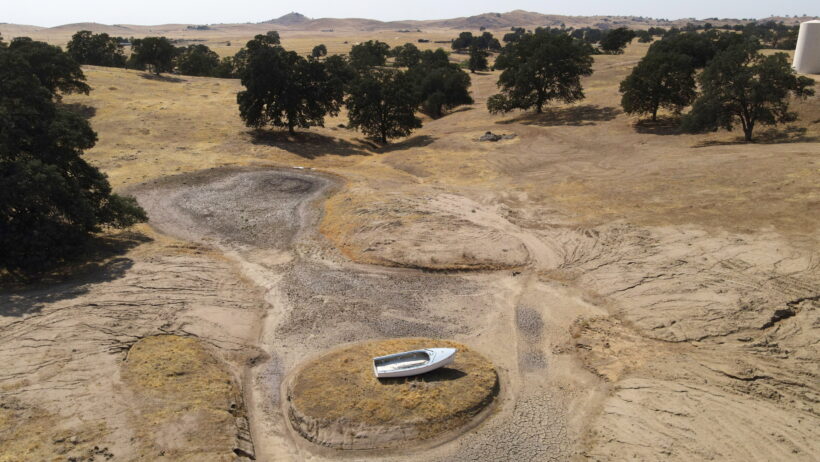
In North America, the arid landscapes of the Southwestern United States present another stark illustration of global warming’s pernicious effects. The region, characterized by its scenic vistas and biodiversity, is becoming increasingly inhospitable due to prolonged droughts and rising temperatures. Water scarcity looms large, threatening agriculture, wildlife, and the very livelihoods of those who call this region home. The challenge ahead is not merely a matter of environmental management but also of social equity, as marginalized communities may disproportionately bear the brunt of climate impacts.
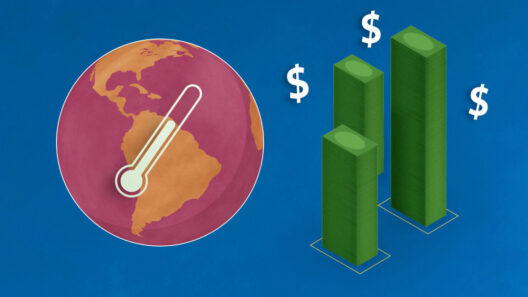
Undeniably, global warming is not merely an environmental issue; it is a complex and nuanced challenge that permeates every sphere of life, including economics, health, and social justice. It acts as an intricate web, linking disparate regions and populations in a shared plight. The economies of nations entangled in trade, tourism, and resource exchange are becoming increasingly vulnerable as the impacts of climate change ripple through financial markets and supply chains.
Ultimately, the battle against global warming transcends national boundaries, demanding an unprecedented spirit of collaboration. Humanity is at a crossroads, confronted with the choice to embrace innovative solutions and sustainable practices that can fortify our collective future. Global warming is not merely confined to the whims of nature; it is a reflection of our collective choices and our responses to the impending realities of our warming world. In venturing beyond our borders, it becomes clear that the stakes are immeasurable, reinforcing the need for unity in tackling what may very well be the defining challenge of our time.