


Global warming is not merely an environmental issue; it’s a complication that extends well beyond climate charts and polar bears. It seeps into the very fabric of our economies, altering the traditional notions of profitability and market stability. As we navigate the complexities of the modern world, one playful question arises: What happens when our planet’s health directly affects our financial well-being? This inquiry serves as a gateway into a myriad of challenges, particularly as we delve into how climate change impacts the global economy.
The reality of global warming has begun to crystallize into an undeniable truth: the economic ramifications are extensive. From agriculture to insurance, the interconnectedness of climate and commerce means that transitioning away from fossil fuels and embracing sustainable practices is not merely idealistic; it is a necessity for economic resilience. But how profound is this impact? The answer lies in several converging facets of our globalized economy.
First and foremost, the agricultural sector is substantially affected by climate change. With rising temperatures and erratic weather patterns, crop yields face grave uncertainty. Droughts, floods, and shifting farming zones challenge traditional agricultural practices. According to recent estimates, a rise in Earth’s temperature by just a few degrees could reduce yields of staple crops like wheat and rice by ten to twenty percent. This upheaval does not just threaten food security but cascades into market fluctuations that affect prices, international trade, and ultimately, national economies.
Farmers must adapt or face dire economic struggles. Utilizing innovative farming techniques, adopting resilient crops, or shifting to permaculture practices incurs costs. Yet the cost of inaction is manifestly higher. Investments made today toward sustainable agriculture could yield dividends that counterbalance tomorrow’s economic instability. Adapting to climate-related risks isn’t just smart; it’s economical.
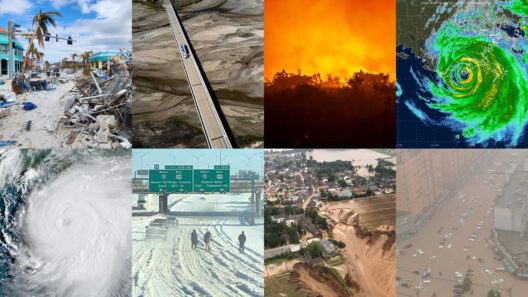
Another crucial dimension of global warming’s economic blight involves the insurance industry. As natural disasters grow increasingly frequent and severe—wildfires, hurricanes, and floods—insurers face substantial financial pressures. The paradigm shifts from merely assessing risk to forecasting catastrophe. The repercussions of insuring properties in high-risk areas can lead to higher premiums, restricted coverage, or even withdrawal from the market entirely. Such shifts engender a ripple effect throughout the economy, as affected communities find affordability in insurance slipping away. Hence, the challenge for insurers is not solely their bottom line but the broader implications for communities reliant on manageable insurance costs.
Moreover, global warming exacerbates energy concerns. The fossil fuel industry faces heightened scrutiny and shifts in consumer preference toward sustainable energy sources. Transitioning from coal to renewables like solar or wind energy poses an initial financial burden but ultimately leads to sustainable growth and stable job creation. In economies heavily reliant on fossil fuels, such a transition could invite turmoil; however, forward-thinking strategies demonstrate that investment in renewable energies could outpace the economic benefits found in traditional energy sources. The challenge thus remains: how can economies smoothly navigate this necessary transition without inciting mass unemployment or societal unrest?
Meanwhile, global trade dynamics are shifting in response to climate change. Countries heavily affected by climate-related disasters engage in reduced productivity, which leads to decreased exports. This downturn impacts economies worldwide, flattening market demands and exposing vulnerabilities associated with over-reliance on particular goods. As companies recognize the environmental costs associated with their supply chains, there emerges a pressing need to pivot toward sustainability. This transitory phase is complex, yet necessary for market resilience. The challenge lies in fostering international cooperation to ensure that such transitions do not exacerbate inequalities between developed and developing nations.
Health care also plays a crucial role in the economic landscape impacted by global warming. Climate change correlates with spikes in health issues: respiratory illnesses from poor air quality, vector-borne diseases expanding into new territories due to warmer temperatures, and increased mortality rates during extreme weather events. As health care systems become strained, the economic burden on governments can become untenable. This begs another question: how do nations balance healthcare costs with climate adaptation strategies? Such a dichotomy generates a complex labyrinth of economic decisions.
In defining solutions, innovation emerges as the linchpin. Promoting green technologies and sustainable solutions can pave the way for economic rejuvenation. Investments in electric vehicles, efficient public transportation systems, and smart technologies for energy conservation promise new jobs and economic growth. The challenge is diffusing these innovations across various sectors and ensuring accessibility to all populations.
Lastly, behavioral economics indicates a significant trend: consumers are more inclined to invest in sustainable brands and practices. This phenomenon creates an opportunity for businesses ready to exceed mere compliance with environmental regulations. Creating a narrative around sustainability isn’t just beneficial for the planet; it can bolster a brand’s reputation and increase profitability. How can businesses harness this consumer shift in values to steer their operations toward environmental accountability while reaping financial rewards?
The intersection of global warming and the economy is rife with challenges and opportunities. The need for adaptability has never been more pertinent. Embracing sustainable practices isn’t solely responsible; it’s essential for thriving in a future threatened by climate change. As the world grapples with these seismic shifts, the imperative lies in understanding that the economic landscapes of tomorrow will be forged from our actions today. In the face of impending challenges, unveiling strategies for sustainable growth becomes our most pressing responsibility.