

The intersection of clean power policies and climate change mitigation is a critical area of focus in today’s environmental discourse. As we delve into the nuances of this relationship, particularly concerning ocean acidification, we uncover a compelling narrative that invites a shift in perspective—a narrative imbued with potential and optimism for a sustainable future.
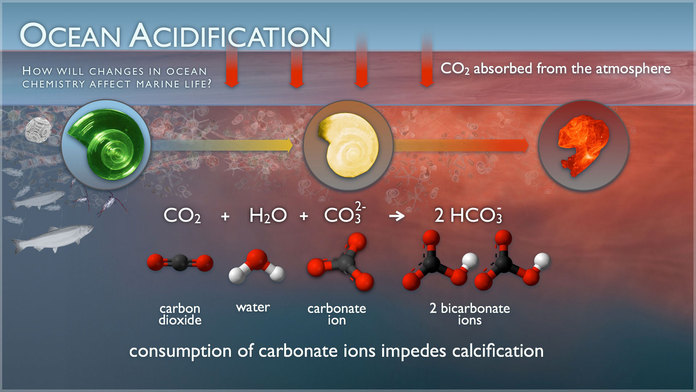
At the core of the climate crisis lies the urgent need for a transition from fossil fuels to renewable energy sources. The mechanistic intricacies of our current energy systems and their contributions to greenhouse gas emissions have been extensively documented. Yet, the unwarranted ramifications of these emissions extend well beyond terrestrial ecosystems, infiltrating the very essence of our oceans. Ocean acidification, a direct consequence of increased atmospheric carbon dioxide, poses a significant threat to marine biodiversity and ultimately, to human life itself.
As carbon dioxide is absorbed by the oceans, it undergoes a chemical transformation, leading to a lower pH level. This phenomenon creates a cascade of effects, particularly for calcifying organisms such as corals and shellfish, which struggle to maintain their calcium carbonate structures in more acidic waters. The alarming projections suggest that if the current emission trends persist, ocean acidity could increase by 150% or more by the end of this century, fundamentally altering marine ecosystems and threatening the livelihoods of millions who depend on these resources.
Herein lies the essential role of clean power. By redirecting our dependency from carbon-intensive energy sources to renewable alternatives—solar, wind, hydroelectric, and geothermal—we can substantially reduce the volume of carbon emissions released into the atmosphere. This shift not only combats climate change but also provides a crucial buffer against the ongoing phenomenon of ocean acidification. The promise of clean power extends beyond mere energy generation; it encapsulates a larger vision for planetary health.
Implementing robust clean energy policies stands at the forefront of this endeavor. Legislation designed to promote renewable energy—often encapsulated within broader energy bills—serves as a vessel for transformative change. However, the dialogue must extend beyond legislation as mere compliance. Advocacy for renewable energy should emphasize its intrinsic value as an ecological safeguard, framing it not just as a political mandate but as a moral imperative. Society must grapple with the ethical considerations that accompany environmental stewardship.
The interconnection between clean energy initiatives and ocean conservation mandates a multi-disciplinary approach. Marine scientists, climatologists, and renewable energy advocates must coalesce, fostering dialogue that underscores collaborative innovation. Notably, the burgeoning field of blue carbon—promoting carbon storage through coastal ecosystems like mangroves, salt marshes, and seagrasses—offers a poignant example. These ecosystems not only absorb carbon but also serve as natural barriers against ocean acidification. Clean energy can enhance the resiliency of these habitats, amplifying their capacity to act as carbon sinks while fostering biodiversity.
Furthermore, the incorporation of technology in clean energy ventures has the power to catalyze further advancements. Innovations such as carbon capture and utilization (CCU) systems could fundamentally alter the trajectory of atmospheric emissions, directly addressing the root causes of ocean acidification. By harnessing these technologies, industries can extract carbon dioxide from the atmosphere, mitigating its detrimental effects on both terrestrial and aquatic systems. This intricate interplay between clean energy and technological innovation highlights the potential for synergistic efforts that bolster ecosystem health.
The power of community engagement cannot be overstated in promoting clean power solutions. Grassroots movements advocating for renewable energy projects foster local ownership and stewardship. When communities rally around clean energy initiatives, they cultivate a sense of shared responsibility towards environmental preservation. Educational programs that illuminate the link between renewable energy and ocean safeguarding can galvanize the public, creating informed advocates for change.
Moreover, international collaboration in the realm of clean power deployment offers a unique opportunity to address global climate challenges. Many coastal nations, which are particularly vulnerable to the impacts of ocean acidification, have initiated partnerships aimed at sharing technologies, resources, and best practices for transitioning to renewable energy. Such cooperative efforts engender innovative solutions, setting a precedent for global responsibility in combating climate change.
It is also essential to scrutinize the economic implications of transitioning to clean power. Studies indicate that investments in renewable energy could endow the global economy with substantial benefits, including job creation, energy independence, and enhanced public health. The fiscal viability of clean power stands as a beacon of hope, demonstrating that ecological responsibility and economic prosperity need not exist in opposition. As the paradigm shifts toward cleaner energy solutions, the potential for a regenerative economy becomes increasingly tangible.
Yet, skepticism around clean energy persists, often rooted in entrenched interests and the fear of economic disruption. Countering this narrative necessitates a comprehensive communication strategy grounded in data-driven insights and forward-thinking rhetoric. By framing clean energy as an indispensable component of climate resilience, rather than a mere alternative, stakeholders can inspire a sense of urgency and collective action.
In conclusion, the interlaced challenges of climate change and ocean acidification underscore a pressing need for robust clean power initiatives. As societies grapple with the multifaceted dimensions of these issues, the necessity for informed action becomes paramount. Embracing clean energy transcends mere policy—it embodies a holistic approach to planetary health, marine conservation, and economic revitalization. The narrative is clear: investing in clean power is not just an environmental endeavor; it is an opportunity to safeguard our oceans, uplift global communities, and foster a sustainable future that resonates through generations to come.