


When you think of the environmental impact of your vehicle, how often do you consider the effects beyond just the gas tank? The emission of carbon dioxide and other greenhouse gases from gasoline and diesel engines is well-documented. However, the journey of fuel involves many other stages, each contributing to the cumulative effects of climate change. Are you ready to examine the unseen consequences of driving a car in a world grappling with global warming?
The production of fuel is an intricate web of activities that begins with the extraction of fossil fuels. The process often entails significant environmental disruption, including habitat destruction and potential oil spills. These events not only release harmful pollutants into the air but also devastate local ecosystems. Consider the drilling that takes place in pristine environments—once vibrant ecosystems can become barren wastelands. The question arises: do you know which ecosystems are being compromised for your daily commute?
Once fossil fuels are extracted, they undergo refining processes, which are typically energy-intensive and further contribute to carbon emissions. Refineries generate substantial quantities of waste, both liquid and airborne, contaminating nearby air and water sources. Sadly, the local communities often bear the brunt of this pollution, leading to health disparities and economic challenges. By fueling your vehicle, are you unintentionally promoting these harmful practices at a distance?
A noteworthy phase in the fuel lifecycle is the transportation of crude oil to refineries, and then the distribution of the refined fuel to gas stations. The logistics involved—shipping, trucking, and storage—consume vast amounts of energy, emitting greenhouse gases at each juncture. The transportation sector itself is a major source of emissions. At some point, do you pause to consider whether the convenience of having fuel readily available justifies the energy expenditure and environmental degradation involved in its logistics?
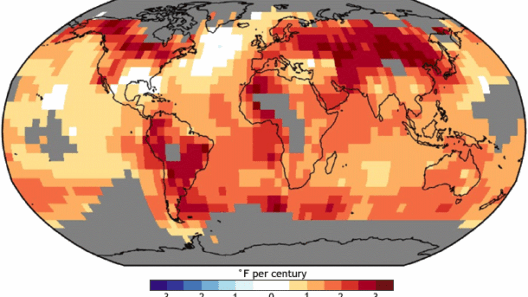
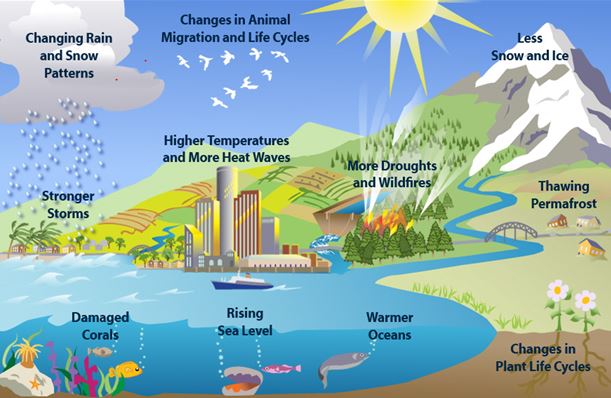
Moreover, the consumption of gasoline in your car leads to a direct release of pollutants, but the ramifications extend further. These emissions contribute to the atmosphere’s warming, leading to climate anomalies, natural disasters, and extreme weather conditions. The air quality suffers as carbon monoxide, nitrogen oxides, and particulate matter flood our cities, posing serious health risks to the populace. Have you ever considered your contribution to the smog that blankets urban areas, or the air quality affecting the most vulnerable among us?
It’s essential to understand that the impact of driving isn’t limited to the exhaust from your vehicle. The construction of roadways, parking lots, and infrastructure requires vast amounts of materials, which are often harvested, processed, and transported, each step embedding additional carbon footprints into the environment. Roads fragment habitats and can pose barriers to wildlife, forcing species to adapt or perish. Have you ever reflected on the ecosystems that are dismantled to accommodate your daily commute?
We must also consider the materials used in car manufacturing. The production of vehicles necessitates significant quantities of metals, plastics, and other resources, each with their own environmental cost. The mining of metals like lithium and cobalt—key components in batteries for electric vehicles—can result in severe ecological degradation and social injustices, especially in developing nations. As you drive, can you reconcile your choice of vehicle with the upstream consequences that overshadow what seems to be a simple decision?
While electric vehicles (EVs) have emerged as a cleaner alternative, they are not devoid of environmental impact. Battery production is resource-intensive, and the sourcing of critical materials can lead to complex dilemmas regarding ethical boundaries and ecological balances. Are you aware of the broader implications of shifting from traditional vehicles to EVs, especially regarding battery lifecycle and waste management?
Furthermore, the daily decisions we make about driving distance, vehicle maintenance, and travel patterns profoundly influence our carbon footprint. Short trips may seem innocuous but can produce higher emissions per mile traveled due to inefficient engine operation during cold starts. Regular maintenance, including ensuring proper tire pressure and engine calibration, can significantly improve fuel efficiency and reduce overall emissions. How frequently do you take proactive steps to ensure your vehicle is not contributing excessively to climate change?
As society progresses, we face a pressing challenge: reconciling our desire for mobility with the imperatives of environmental sustainability. Collective action is essential; support for public transportation, cycling infrastructure, and carpooling initiatives can help reduce reliance on individual vehicles. Wouldn’t it be intriguing to explore car-free days in your city or community? Such initiatives not only promote a healthier environment, but they also foster a sense of community solidarity.
There is hope in the ongoing development of sustainable technologies and infrastructure enhancements designed to mitigate the negative impacts associated with automotive travel. Innovations such as hydrogen fuel cells and biofuels hold promise for a greener future. However, individual choices and societal pressures will ultimately dictate how these advancements unfold. Are you willing to become a catalyst for systemic change in transportation practices?
In conclusion, the ramifications of driving extend far beyond the immediate act of fueling a vehicle. From extraction and production to consumption and waste, every stage bears significant environmental consequences. As individuals, we possess the power to influence change through our decisions, advocating for cleaner alternatives, and adopting responsible driving behaviors. Will you consider the impact of your automotive lifestyle and embrace the challenge of reducing your contribution to climate change? The journey toward a more sustainable future begins within each of us.