



The conversation surrounding global warming often teeters on the brink of hyperbole, with critics decrying climate science as a mere conspiracy or a fabrication veiled in jargon. Yet, as legitimate science burgeons with an ever-growing body of evidence, the notion that global warming is phony is increasingly untenable. This discourse challenges not only our perceptions of climate change but also our responsibility toward one another and future generations.
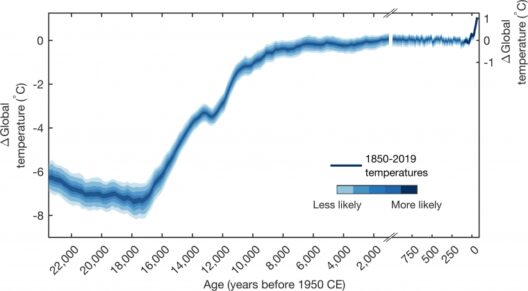
To fathom the gravity of global warming, one must first contextualize it within the annals of scientific inquiry. For decades, an overwhelming consensus among climate scientists has indicated that human activities—predominantly the combustion of fossil fuels and deforestation—are catalyzing unprecedented changes in our climate system. The Intergovernmental Panel on Climate Change (IPCC) reports provide a synthesis of peer-reviewed research that demonstrates a compelling correlation between rising greenhouse gas emissions and a myriad of ecological disruptions, including fluctuating temperatures, erratic weather patterns, and rising sea levels.
The terminological anchoring of climate change often fosters misunderstanding. Terms like “greenhouse effect,” “climate models,” and “carbon footprint,” though scientifically rigorous, can appear esoteric to the untrained ear. Yet, these concepts are crucial in elucidating the dire implications of unchecked anthropogenic emissions. The greenhouse effect, for instance, is an essential atmospheric phenomenon that maintains Earth’s temperature. However, with the exponential increase of greenhouse gases, particularly carbon dioxide, the balance is tilted precariously. This imbalance manifests not merely in higher temperatures, but also in exacerbated natural disasters and loss of biodiversity.
Another layer to consider is the sophisticated methodologies employed in climate science. Detractors may argue that models predicting temperature increases are flawed and unreliable. Yet, it is imperative to recognize that climate models are built upon foundational physical laws and validated through rigorous empirical observation. These models have historically demonstrated their predictive capabilities, forecasting phenomena like the polar vortex’s unexpected extremities and the increasing frequency of hurricanes, both of which have been validated by recent climatic events.
It’s also prudent to interrogate the implications of global warming on delicate ecosystems and human societies. Coral reefs, often referred to as “the rainforests of the sea,” are declining at an alarming rate due to warming waters and ocean acidification—a direct consequence of elevated CO2 levels. As these vital ecosystems falter, the ramifications cascade through marine biodiversity and the livelihoods of communities dependent on fishing and tourism. Furthermore, anthropogenic interference in climate systems has already imperiled numerous species, leading to the grim prospect of extinction for flora and fauna alike. Understanding such dynamics is essential; it compels a reconsideration of our personal and societal trajectories.
Despite the staggering evidence, the question of economic implications frequently arises. Critics espouse the belief that environmental regulations are economically detrimental, stifling growth and innovation. However, a paradigm shift reveals that investments in sustainable technologies, renewable energy, and green infrastructure offer substantial long-term economic benefits, creating jobs and stimulating innovation while simultaneously mitigating climate impacts. The burgeoning field of renewable energy, exemplified by solar and wind power, not only holds promise for energy independence but also an opportunity for a significant downshift from fossil fuel dependence.
Moreover, awareness campaigns and educational outreach are vital for cultivating a more informed citizenry. Misinformation regarding climate science often proliferates through social media and fringe outlets, conflating fact with fallacy. Engaging communities in discussions about climate science, from elementary schools to local governance, fosters a culture of inquiry and empowers individuals to partake in substantive dialogues about sustainability and ecological stewardship.
As the climate crisis looms larger, the debate must transcend rhetoric laced with skepticism. It beckons a commitment to objectivity. Public discourse should revolve around fostering resilience to climate impacts while advocating for substantive policy changes that prioritize both environmental and social justice. This includes enhanced adaptation strategies for vulnerable populations disproportionately affected by climate change, ensuring equity amidst a shifting climate landscape.
Ultimately, questioning the veracity of global warming may serve as a temporary diversion, yet it does not obliterate the monumental shifts occurring within our environment. Every stakeholder—from government officials to everyday citizens—must embrace the tenet of responsibility. Denying the scientific underpinnings of climate change only exacerbates the plight of our planet and all its inhabitants. It is through the acceptance of scientific rigor and collective action that transformative change can be realized.
In conclusion, the narrative surrounding global warming should not be viewed merely through the lenses of skepticism or denial. Instead, it must be reconceptualized as a clarion call for systemic changes that prioritize the well-being of our shared planet. Understanding the multifaceted nature of climate science and its implications equips individuals with the tools to question, challenge, and, ultimately, champion sustainable practices. Only then can society forge a path toward resilience in the face of an inexorable climatic evolution.