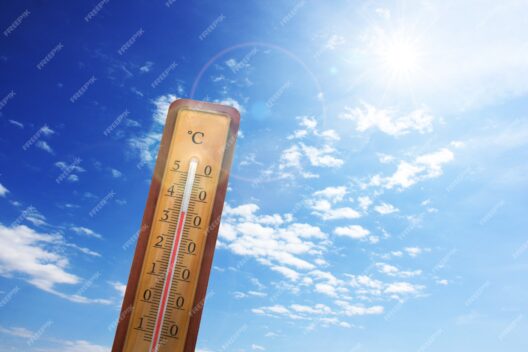



Global warming, an insidious alteration of the Earth’s climate, transcends mere surface effects, penetrating into the very fabric of life at a cellular level. The repercussions of this phenomenon extend deep into the biosphere, affecting not only ecosystems but also the fundamental mechanisms of life itself. This discourse explores the multifaceted impacts of global warming on cellular biology, illuminating the intricate relationships between elevated temperatures, altered environments, and biological systems.
At the outset, it is essential to understand that cellular biology revolves around the study of cells as the basic units of life. Cells are not just the building blocks of organisms; they perform complex biochemical processes that underpin physiological functions. As temperatures rise and climate patterns disrupt normal environmental steadiness, cellular functions are undeniably at risk.
The first area of concern is the effect of increased temperatures on cellular metabolism. Temperature is a critical factor in determining the rate of biochemical reactions. As ambient temperatures elevate, many microorganisms exhibit enhanced metabolic rates. This acceleration can lead to detrimental effects, particularly in organisms that are not equipped to withstand such rapid changes. Enzymes, the catalysts of cellular reactions, have optimal temperature ranges for activity. Outside these ranges, either deactivation or denaturation occurs, which can precipitate cellular dysfunction.
Additionally, the rising global temperature can exacerbate the production of reactive oxygen species (ROS) within cells. Under normal physiological conditions, cells maintain a balance between the production of ROS and their elimination via antioxidants. However, the heat generates oxidative stress, leading to an excess of ROS. This condition can result in cellular damage, prompting mutations in genetic material and triggering apoptosis, or programmed cell death. The ramifications for population dynamics can be profound, causing shifts in species distribution and biodiversity loss.
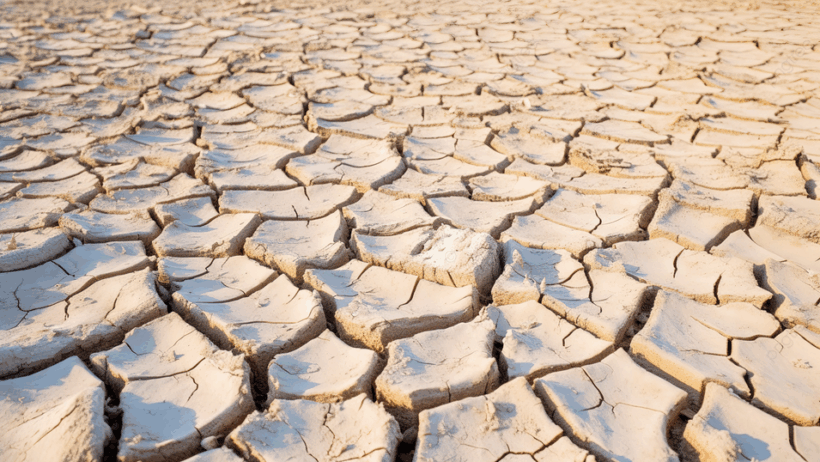
Moreover, global warming has significant implications for osmoregulation—the ability of cells to maintain fluid balance. Increased temperatures often lead to desiccation in various habitats, thus altering the osmotic gradient. In organisms such as amphibians and certain fish, which are reliant upon external water sources for osmotic balance, such changes could lead to severe physiological stress. Imbalances push cells into states of hypertonicity, resulting in cell shrinkage and potentially irreversible damage. Evolutionary adaptations may occur, but they often lag behind rapid environmental changes, leading to potential extinction events.
Furthermore, climate change influences various environmental factors, including pH levels and salinity, which directly affect cellular physiology. Acidification of oceans, primarily due to increased carbon dioxide absorption, poses a significant threat to marine organisms, particularly calcifying species such as corals and mollusks. The decreased availability of carbonate ions critically undermines their ability to form shells, compromising cellular functions and threatening the entire marine food web.
In terrestrial ecosystems, altered precipitation patterns can lead to droughts that affect plant physiology. Water stress can trigger hormonal changes that influence cellular processes, leading to a reduction in growth and metabolic productivity. Plants play a crucial role in carbon sequestration, thus their diminished ability to photosynthesize due to stressors induced by climate change can result in an exacerbated greenhouse effect, further fueling global warming.
The cellular response to climate change is not merely a passive adaptation but an active area of research and discovery. One fascinating aspect is the phenomenon of cellular plasticity—the ability of cells to change and adapt to new environmental stimuli. In some cases, organisms have developed molecular pathways that enable them to cope with thermal stress or desiccation, allowing survival despite unfavorable conditions. Heat shock proteins, for instance, are crucial in protecting cellular integrity during thermal stress, facilitating repair mechanisms that counteract the damaging effects of elevated temperatures.
However, there are limits to this plasticity. In many species, a threshold exists beyond which adaptation is not feasible, leading to population declines. Consequently, this raises significant concerns regarding biodiversity. As species with poor cellular resilience succumb to climate-induced challenges, ecosystems as a whole may face destabilization, with cascading effects propagating through food webs and ecosystem services.
In summary, the ramifications of global warming permeate deeper than we often acknowledge. It alters cellular processes, disrupts metabolic functions, and even threatens the continuity of life itself. From increasing metabolic rates and oxidative stress to challenging osmoregulatory mechanisms and inducing phenotypic plasticity—these factors shape not only individual species but also the ecological matrices that sustain them.
As stewards of our planet, it is imperative to confront these daunting challenges with informed strategies and interdisciplinary efforts. Conservation biology, coupled with advancements in biotechnology, may provide avenues for mitigating some of the cellular-level impacts by fostering resilience among threatened species. At the same time, addressing the core issue of greenhouse gas emissions through policy reform, renewable energy integration, and sustainable practices becomes paramount. The journey beyond the surface of global warming necessitates a holistic approach, integrating scientific understanding with proactive measures to ensure a sustainable future for all life.