

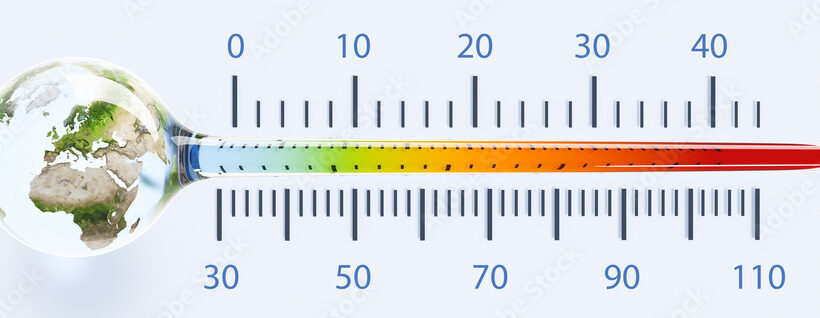

In the realm of environmental discourse, the humble thermometer serves as a symbolic sentinel, measuring minute fluctuations in temperature while embodying an increasing urgency. However, to limit the conversation to mere readings on a glass tube is to overlook the profound tapestry of complexities that interlace global warming and its multifaceted implications. As our planet embraces an era of unprecedented climatic shifts, it is vital to delve deeper, transcending the superficial metrics, and uncover the diverse ramifications that extend far beyond the confines of a thermometer.
The Thermometer as a Metaphor
Picture the thermometer as a ship’s compass, its needle oscillating in response to the tumultuous forces of ocean currents and weather systems. It starkly reflects our deviation from a stable climate, akin to a weathervane twisting in response to the winds of change. Each subtle rise or fall indicates an accompanying upheaval in ecosystems, livelihoods, and the biosphere itself. These increments in temperature, once merely numerical data, now weave a narrative that transcends simplistic interpretations.
Understanding Global Temperature Trends
The progression of global temperatures over the last century showcases a warming trend that is not only alarming but suggests an interwoven pattern of consequences. The Earth’s average surface temperature has risen approximately 1.2 degrees Celsius since the late 19th century, marshalling waves of climatic alterations. This trajectory can be imagined as a kettle on the stove—slowly warming, initially imperceptible to the human experience but ultimately leading to a boil that disrupts the very fabric of our environment.
Carbon emissions, driven predominantly by industrialization and fossil fuel combustion, have engendered an atmosphere thick with greenhouse gases. This accumulation forms a thermal blanket, steadily trapping heat and fostering a cascade of transformations—from intensified weather phenomena to shifting agricultural zones. Ignoring these changes renders the thermometer’s readings dangerously misleading; we must look beyond its simplistic function to understand the broader existential implications.
The Ripple Effects of Temperature Elevations
As the clay of our planet molds beneath the scorching heat, various ecosystems respond in distinct and often devastating manners. Terrestrial and marine species, once accustomed to specific temperature ranges, face existential crises. Coral reefs, the ocean’s kaleidoscope of biodiversity, are beleaguered by phenomena like coral bleaching and ocean acidification, heralded by temperature spikes. Such changes lead to the unprecedented decline of these vibrant ecosystems, reminiscent of a painter’s palette washed away by relentless rain.
The alteration of temperature extends its grasp to glacial ice, our planet’s fresh-water reservoirs. Glaciers, once towering sentinels, are retreating at an alarming rate, unveiling landscapes barren of ecological health. This loss not only contributes to rising sea levels—an ominous tide threatening coastal metropolises—but also disturbs freshwater supplies for millions, rendering them vulnerable in an already precarious world.
The Socioeconomic Repercussions of a Warming World
The implications of global warming are not confined to ecological boundaries; they ripple through the spectrum of human existence. Agricultural systems, the cornerstone of human sustenance, are profoundly impacted. As temperatures escalate, traditional growing seasons are disrupted; crops that once thrived in specific climates now struggle in unyielding conditions. This alignment of temperature and food security evokes visions of a great banquet unraveled—a table once laden with sustenance now sporadically scattered with the remnants of failed harvests.
Moreover, vulnerable populations—particularly in developing nations—bear the brunt of climate-induced adversities. The intersections of poverty and climate vulnerability breed a perfect storm, where the less fortunate find themselves ill-equipped to adapt to the onslaught of shifting temperatures. Migration emerges as a dire consequence, as communities abandon their ancestral lands, seeking refuge in more temperate regions, further exacerbating geopolitical tensions and social discord.
The Role of Policy and Activism
Policy intervention functions as a double-edged sword in the battle against climate change. Enacting stringent regulations on emissions, promoting renewable energy, and fostering sustainable practices can serve as critical steps to ameliorate the challenges posed by rising temperatures. Yet, these measures must be imbued with urgency, lest the ship of climate policy sail past the shores of efficacy. Herein lies the imperative for activism: galvanizing communities to demand accountability, equity, and systemic change from both governmental and corporate entities.
The overarching message of activism is akin to a chorus beckoning harmony in a world rife with discord. Each voice amplifies the call for change, whether it be through grassroots movements, economic advocacy, or educational initiatives. The clarion call for sustainability resonates across demographics, urging societies towards a collective responsibility for the planet and each other.
Charting a Path Forward
The narrative of global warming transcends the confines of a mere thermometer’s reading. It awakens a deeper mindfulness, an intrinsic understanding that each degree signifies not only thermal change but also profound transformations within our biosphere and societies. As tempests of adversity swirl around us, we are called to move beyond complacency—embracing stewardship towards a sustainable future.
Thus, as we stand at the intersection of choice and consequence, we must reject the allure of apathy. Instead, we should champion innovative solutions, advocate for robust environmental policies, and cultivate a narrative of resilience. Only then can humanity truly navigate the complexities of a warming planet and emerge not only as survivors but as stewards of the Earth.