



Climate change has emerged as one of the most pressing issues facing humanity in the 21st century. The quest to identify the foremost culprits behind this phenomenon has sparked intense debate among scientists, policymakers, and environmental advocates. Understanding the major contributors to climate change is essential to implementing effective solutions and mitigating its adverse effects on the planet. This discourse will explore the various agents of climate change, examining both anthropogenic and natural factors while highlighting the need for comprehensive and sustainable actions.
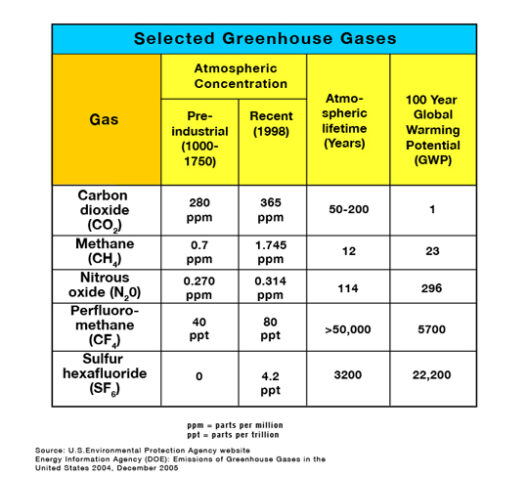
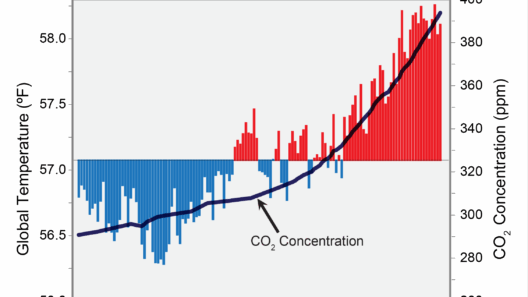
The predominant driver of recent climate change is attributed to an increase in greenhouse gas emissions, particularly carbon dioxide (CO2), methane (CH4), and nitrous oxide (N2O). Anthropogenic activities, especially the combustion of fossil fuels for energy, transportation, and industry, significantly elevate CO2 levels in the atmosphere. The reliance on coal, oil, and natural gas as primary energy sources has not only fueled economic growth but has also engendered a rapid escalation of global temperatures. Indeed, these fossil fuel emissions account for approximately 70% of total greenhouse gas emissions.
On the other hand, methane, a greenhouse gas with a potency 28 times greater than CO2 in trapping heat over a 100-year period, arises primarily from agricultural practices, industrial processes, and waste management practices. Livestock production, particularly cattle, is a major source of methane emissions through enteric fermentation, while landfills contribute significant methane through decomposition of organic matter. Moreover, the oil and gas industry inadvertently releases methane during extraction and distribution processes, exacerbating this concerning issue.
Nitrous oxide is another potent greenhouse gas, released from agricultural soils, particularly through the application of synthetic fertilizers and manure. This gas is approximately 300 times more effective than CO2 in warming the atmosphere over a similar timescale. Consequently, the rise of industrial agriculture and intensive farming practices has drastically increased nitrous oxide emissions, further complicating the battle against climate change.
Beyond greenhouse gas emissions, land use changes serve as a significant contributor to climate change. Deforestation and land degradation reduce the planet’s capacity to sequester carbon dioxide, as trees and vegetation play a crucial role in absorbing CO2. The clearing of forests for agriculture, logging, and urban development is responsible for approximately 10% of global greenhouse gas emissions. This loss not only diminishes biodiversity but also alters ecosystems, inhibiting their natural ability to regulate climate factors.
Industrialization has also laid waste to natural habitats, resulting in substantial emissions from the manufacturing sector. Factories produce an array of pollutants that contribute to both air and water contamination, with notable effects on climate change. Concrete production alone has been linked to significant carbon emissions due to the energy-intensive processes involved. This industrial footprint highlights the interconnectedness of economic activities and environmental degradation, underlining the need for sustainable development practices.
Climate change does not operate in isolation; its consequences interrelate deeply with socio-economic factors. Vulnerability to climate impacts—the least developed nations often bear the brunt of climate-related disasters, despite contributing minimally to overall emissions. Poverty exacerbates susceptibility to detrimental effects, such as floods, droughts, and rising sea levels. Consequently, wealthy nations and corporations, historically the primary polluters, have a moral obligation to assist vulnerable populations through technology transfer, financial support, and capacity-building initiatives.
The role of climate policy cannot be underestimated in this discourse. International frameworks, such as the Paris Agreement, aim to unify effort toward reducing emissions and limiting global temperature rise. Governments must enforce policies that promote renewable energy, energy efficiency, and sustainable land use practices. Such efforts can substantially transform the energy landscape, diminishing reliance on fossil fuels and promoting innovations in sustainable technologies.
Public awareness and engagement are critical as well. Educational initiatives play a pivotal role in informing individuals about the ramifications of climate change and the importance of sustainable practices. Grassroots movements and community-driven efforts can catalyze systemic change at local levels, prompting advocacy for policy reform and accountability from corporations and governments. The power of collective action cannot be underestimated; social media campaigns, protests, and awareness-raising events mobilize public sentiment, urging leaders to take decisive action against climate change.
Moreover, the business sector must adapt its paradigm. Sustainable business practices not only mitigate the negative environmental impact but can also prove beneficial for profitability and brand loyalty. Companies can implement strategies such as carbon offsets, investing in renewable energy sources, and adopting circular economy principles to reduce waste and promote resource efficiency. By reimagining consumption and production frameworks, businesses can contribute to climate resilience while fostering economic growth.
In conclusion, climate change is an amalgamation of various factors, with significant contributions from anthropogenic activities, land use changes, and socio-economic disparities. Addressing this challenge necessitates multi-faceted approaches that encompass policy reform, public engagement, and corporate responsibility. Only through collaborative efforts can humanity hope to alleviate the adverse effects of climate change. The responsibility lies not only with governments and industries but also with individuals, each of whom bears a role in combating this existential threat. As the call to action intensifies, it is imperative that all sectors unite to forge a sustainable future for generations to come.