

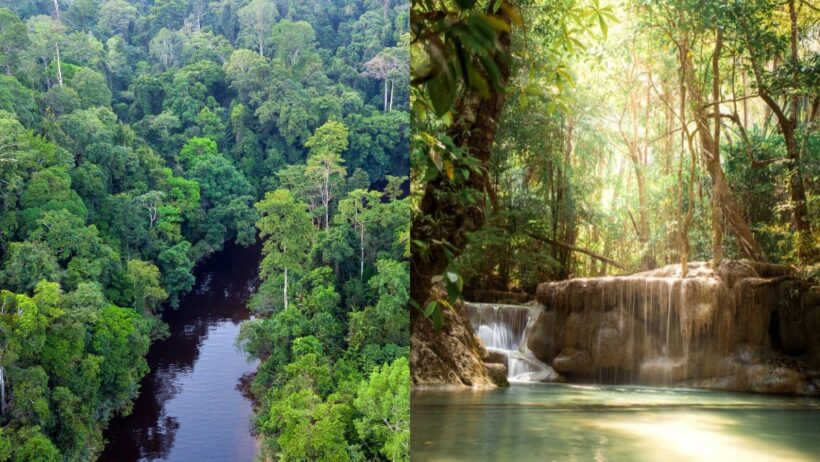

When embarking on a journey to understand the natural world, one is often captivated by the sheer variety of life forms inhabiting the diverse biomes of our planet. Among these, a particular biome stands out for its astonishing richness in biodiversity: the tropical rainforest. This article explores the manifestations of this biodiversity, the ecological dynamics at play, and the vital significance of preserving these irreplaceable ecosystems.
The Magnitude of Biodiversity in Tropical Rainforests
Tropical rainforests, positioned near the equator, are teeming with life and occupy merely 6% of the Earth’s land area. Despite their small geographical footprint, they boast an unparalleled array of species. More than half of the world’s plant and animal species reside within these lush, verdant environments. The staggering biomass includes towering trees, a plethora of flowering plants, insect species, amphibians, reptiles, birds, and an impressive inventory of mammals. Estimates suggest that tropical rainforests may harbor over 40,000 plant species and are home to approximately 10 million insect species, underscoring the ecological complexity within these habitats.
Layers of Life: Structure of Tropical Rainforests
The incredible biodiversity of tropical rainforests is intricately tied to their unique structural complexity. These forests are not homogeneous; they are stratified into distinct layers, each hosting specific communities of organisms. The layers include:
- Emergent Layer: Towering above the rest, this layer consists of a few exceptionally tall trees that reach upwards of 200 feet. It serves as a perch for birds of prey and arboreal mammals.
- Canopy Layer: This vital layer, formed by the upper branches and leaves of trees, is known as the ‘jungle umbrella’. It shelters a plethora of species—from sloths to toucans—creating a self-sustaining ecosystem rarely found at ground level.
- Understory Layer: Below the canopy, denser shade prevails. Here, smaller trees, ferns, and shrubs thrive, hosting numerous insect and reptile species that have adapted to low light conditions.
- Forest Floor: Not to be overlooked, the forest floor is a bustling hub of activity. It supports decomposers like fungi and bacteria, as well as large mammals, and is where nutrient cycling is critically underway.
The interdependence of life forms across these layers augments the biome’s resilience. Each layer cradles a myriad of interactions among organisms, fostering a delicate equilibrium essential for ecological survival.
Richness in Flora: A Botanical Paradise
The plant life in tropical rainforests is astonishingly diverse and plays a pivotal role in sustaining the entire ecosystem. The sheer density of plant species not only contributes to oxygen production but also provides food and habitat for countless organisms. Foraging animals, such as monkeys and various bird species, rely heavily on fruits and vegetation produced by these flora.
Moreover, many of the plants in these rainforests possess unique adaptations. From epiphytes that grow on trees without drawing nutrients from them to lianas that create connections between the treetops, the botanical diversity is a veritable testament to evolutionary ingenuity. This adaptability not only aids in survival but also enhances the forest’s biodiversity.
Fauna of the Forest: Marvels of Evolution
The animal kingdom within tropical rainforests illustrates a vivid tapestry of life. The diversity ranges from the most minuscule creatures to formidable apex predators. Amphibians face unique challenges in the humid rainforest environment, leading to astonishing adaptations—such as poison dart frogs, whose brightly colored skins serve as warnings to potential predators. Meanwhile, mammals like jaguars and tapirs navigate their forest homes, embodying the intricate food webs that sustain this biome.
Birds, notably, thrive under forest canopies, showcasing a spectacular array of colors and calls. Species like the harpy eagle soar high above the canopy, while various hummingbirds flit through the lower layers in their quest for nectar. The rich birdlife is often a critical indicator of the rainforest’s health, signifying both biological diversity and ecological stability.
Impacts of Human Activity: A Call to Conservation
Conservation Efforts: Global Responsibility
Additionally, reforestation initiatives, alongside the promotion of sustainable agriculture, present a more harmonious coexistence with nature. Innovative approaches, such as agroforestry—integrating productive agriculture with forest conservation—highlight the potential for yielding economic benefits while preserving ecological integrity.
The Path Forward: Embracing Biodiversity