


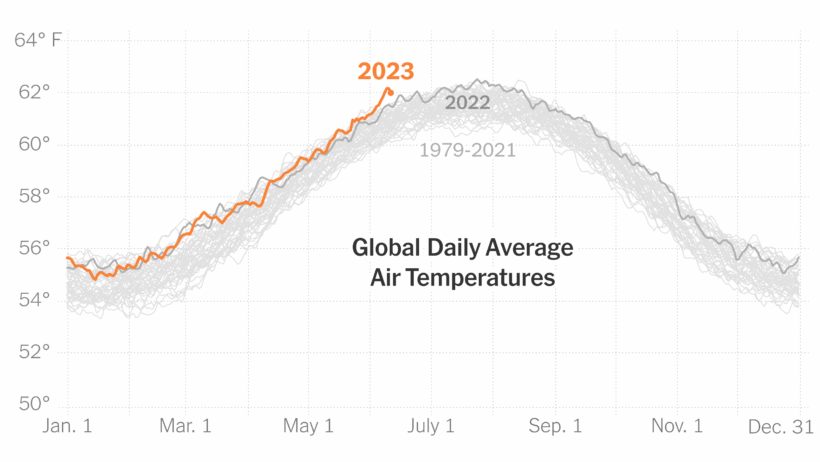

As societal discussions swirl around climate change, an intriguing query arises: do humans, through their very existence, contribute to global warming? To embark on this examination, one must delve into the nuances of body heat generation, urbanization, fossil fuel reliance, and the intricate interplay between human activity and environmental sustainability. Although individual body heat may seem trivial when juxtaposed against global climatic shifts, it represents a cog in a broader mechanism of human impact on the planet.
Every living organism emits heat as a byproduct of metabolic processes. The average human body expels approximately 100 watts of thermal energy, or heat, at rest. When multiplied by the staggering global population, the collective impact of human-generated heat becomes noteworthy. While it is an often-overlooked aspect, these natural thermal emissions do contribute incrementally to ambient temperatures, particularly in densely populated urban environments.
Urbanization warrants a closer inspection. Cities, with their irrefutable density, create urban heat islands—regions where built environments exacerbate local temperatures due to materials such as asphalt and concrete that absorb and retain heat. This phenomenon is exacerbated by the added heat from human activities: transportation, heating, industrial production, and electricity consumption all contribute not only to greenhouse gas emissions but also generate thermal energy that increases urban temperatures. The interrelation between human populations and climate dynamics becomes glaringly evident as one considers the rise of megacities and the ensuing challenges they present.
But it is not merely urbanization and body heat that paint a complete picture of human contributions to climate change. The energy we consume is derived predominantly from fossil fuels—coal, oil, and natural gas—creating a staggering amount of greenhouse gases, notably carbon dioxide and methane. These emissions ensconch themselves in the atmosphere, insulating the planet and leading to an overall warming effect. In this regard, the cumulative heat generated by human bodies pales in comparison to the relentless barrage of emissions produced by industrialization and energy consumption.
To dissect this further, consider the concept of the carbon footprint, a quantifiable measure of the greenhouse gases emitted directly or indirectly by an individual, organization, or product. The average American generates approximately 16 tons of carbon dioxide annually, a figure that encompasses not just driving habits and energy consumption, but also dietary choices, waste production, and material goods acquisition. This multifaceted concept illuminates how modern life is inextricably linked to an escalating carbon output, compelling a re-evaluation of lifestyle patterns as they relate to climate change.
Despite the monumental role that fossil fuel reliance plays in climate dynamics, human activities extend beyond mere emissions. Land use changes—deforestation, urban sprawl, and agriculture—dramatically alter natural ecosystems. The destruction of temperate forests to accommodate agricultural monocultures, for instance, contributes to a loss of biodiversity and the disruption of carbon sequestration processes. Trees, through the natural phenomenon of photosynthesis, capture carbon dioxide while releasing oxygen. Their removal not only results in increased atmospheric CO2 levels but diminishes the Earth’s ability to self-regulate climate conditions.
Moreover, the fascinating relationship between culture and climate cannot be neglected. Societal values heavily dictate consumption patterns and environmental stewardship. The pursuit of progress, comfort, and convenience often supersedes a commitment to sustainable practices, resulting in unsustainable resource use. High consumption habits permeate the global economy, resulting in accelerated depletion of natural resources and amplified waste production, further aggravating the existing climatic crisis.
In light of this, it becomes imperative to address solutions to mitigate human impacts on global warming. Transitioning to renewable energy sources—solar, wind, hydro, and geothermal—promises a reduction in greenhouse gas emissions. Implementing sustainable urban planning principles, enhancing energy efficiency, and encouraging public transportation are pivotal actions that can foster sustainable cities. Moreover, education and advocacy on sustainable living practices can enhance awareness, leading individuals to make informed choices that align with climate resilience.
Nevertheless, while the quest for solutions is essential, it must coexist with an acknowledgment of the socioeconomic and political dimensions intertwined with climate change. Climate justice, a burgeoning field, asserts that those who contribute least to climate change—often marginalized communities—bear the brunt of its effects. Addressing this imbalance is crucial for fostering global solidarity and ensuring that solutions are equitable and inclusive.
In conclusion, while human-generated body heat contributes to local fluctuations in temperature—particularly in urban areas—it is merely a fraction of the complex tapestry of factors responsible for global warming. The ramifications of fossil fuel dependency, land-use change, and consumer culture substantially overshadow the thermal output of human bodies. Collective responsibility and action loom large as humanity grapples with the realities of climate change. It is within the nexus of awareness, education, and advocacy that a sustainable future can be envisioned—a future characterized not only by mitigated climatic impacts but also by a reinvigorated respect for the Earth and its intricate systems.