

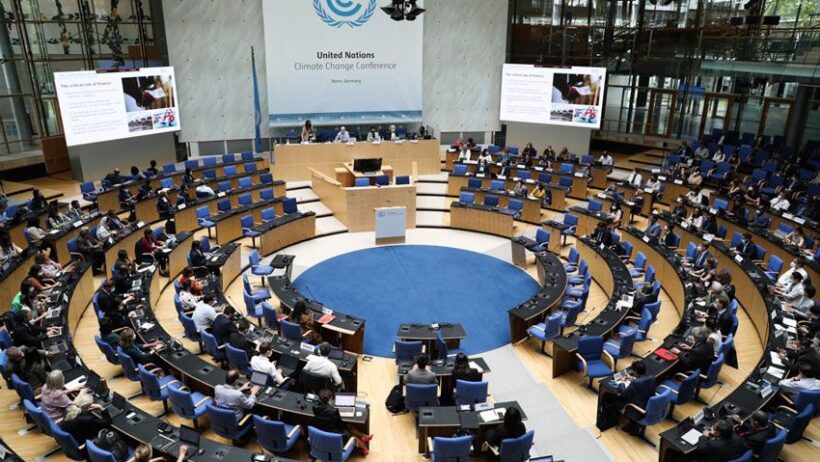

The Bonn Climate Change Conference, held in Germany, stands as a pivotal gathering where nations converge to deliberate and strategize on the pressing issue of climate change. This event, part of a series of Conferences of the Parties (COP), reflects an increasingly urgent need for multi-faceted dialogues addressing the climate crisis. The confluence of governmental representatives, activists, and scientists at Bonn captures the essence of global collaboration in confronting existential threats posed by climate change.
One of the key outcomes of the Bonn Climate Change Conference is the reaffirmation of international commitments to mitigate greenhouse gas emissions. The Paris Agreement, hailed for its ambitious target of limiting global warming to well below 2 degrees Celsius, was a focal point of discussions. Countries were encouraged to present updated Nationally Determined Contributions (NDCs) that reflect a more comprehensive approach to climate action, emphasizing not merely promises, but actionable measures that are measurable, reportable, and verifiable. As nations assessed their roles within this framework, it became decidedly evident that the urgency of the climate situation compels a robust approach to implementation.
Moreover, the Bonn Conference underscored the importance of equity in climate action. Developing nations, which often bear the brunt of climate devastation despite contributing the least to historical emissions, were given a platform to express concerns regarding financial and technological support. The discussions illuminated a deep-seated understanding that climate justice is not just rhetorical; it necessitates a concerted effort to allocate resources equitably. This is where the collaboration of developed nations becomes vital. Commitment to climate financing, especially the ambitious $100 billion pledge, remains not just a financial obligation but a moral imperative to rectify historical injustices and to empower vulnerable communities globally.
Another significant outcome was the emphasis on adaptation and resilience-building. Climate change is not merely a future threat but a current reality for many regions that are experiencing more extreme weather events. Adaptation strategies, therefore, emerged as a critical point of discussion, with nations sharing innovative approaches to enhance resilience. From implementing sustainable agricultural practices to investing in infrastructure that can withstand floods and hurricanes, the conference facilitated the sharing of best practices. By fostering learning and collaboration, the event demonstrated that adaptation is not a solo endeavor but a collective responsibility.
One cannot discuss the Bonn Climate Change Conference without acknowledging the intrinsic role of science and technology. The dialogue surrounding innovative solutions—such as carbon capture and storage, renewable energy technologies, and sustainable mobility—was particularly salient. Nations were urged to harness scientific advancements to combat climate change effectively. Investments in research and development are viewed as key drivers in spearheading this technology-driven metamorphosis in energy production and consumption. The intertwining of science policy with climate action at Bonn signifies a commitment to informed decision-making that relies on empirical evidence and innovative thinking.
Further, the conference provided a platform to discuss the intersectionality of climate change with other social issues, including poverty alleviation, gender equality, and public health. Recognizing these intertwined challenges fosters comprehensive strategies that can enhance overall societal resilience. The collaboration between environmental activism and social equity was palpable in numerous sessions, reflecting a growing acknowledgment that climate action cannot exist in a vacuum. Ignoring these connections would compromise the effectiveness of any strategy aimed at ensuring a sustainable future.
One of the more intriguing aspects of the Bonn Climate Change Conference was its ability to highlight grassroots movements advocating for bold climate action. The presence of youth activists and environmental organizations served as a potent reminder of the collective ambition for a sustainable future. Their perspectives challenged traditional negotiation dynamics, urging global leaders to act decisively and swiftly. This generational demand for equity, justice, and urgency infuses the climate dialogue with a renewed energy and optimism, reminding policymakers that their decisions today will profoundly affect future generations.
A notable highlight from this conference was the announcement of the “Local Action for Global Climate Goals” initiative, which aims to enhance local governments’ capabilities in addressing climate change. This grassroots approach acknowledges that while global strategies are imperative, localized actions rooted in community needs can effectively complement broader efforts. Empowering localities—where solutions often manifest—serves to bridge the gap between global objectives and practical implementation on the ground.
The Bonn Climate Change Conference also emphasized the necessity of transparency and accountability in climate actions. By advocating for rigorous reporting frameworks, the conference aimed to instill greater credibility in international climate commitments. The idea is that transparency cultivates trust among nations, facilitating collaboration and fostering a collective sense of responsibility. A fortified approach to accountability is pivotal in ensuring that promises translate into real-world actions, thus mitigating skepticism that can hinder cooperation.
In summary, the Bonn Climate Change Conference served as a robust gathering that reinforced the urgency of cohesive global action against climate change. By focusing on fundamental issues like equity in climate financing, adaptation strategies, the amalgamation of scientific innovation, and grassroots mobilization, the conference illuminated a pathway forward. With a clear reiteration of existing commitments and an emphasis on new initiatives, Bonn encapsulated the intricate fabric of climate discourse, where complexity must be met with bespoke solutions reflective of local needs within a global framework. As we look to the future, the lessons learned in Bonn can guide nations in building resilient systems capable of withstanding the multifaceted effects of climate change.