

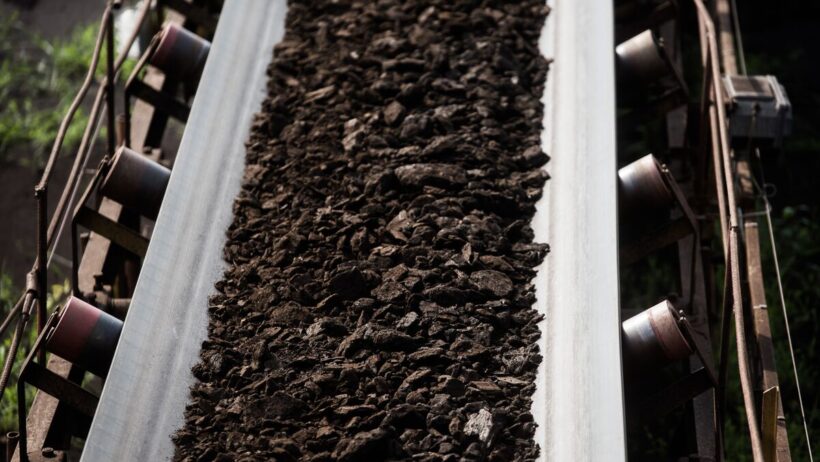

In recent years, the conversation surrounding energy production has reached a crescendo. Nations across the globe are confronted with an insatiable demand for energy while coping with the enigmatic specter of climate change. One question stands out amid the noise: What price are we willing to pay to keep the lights on? A looming answer arises with the resurgence of coal-fired energy production, exemplified vividly by Greece’s decision to increase its coal outputs to mitigate gas dependency.
The dichotomy of coal usage is strikingly pronounced. On one hand, it offers a seemingly readily available source of energy, capable of meeting vast demands. On the other, the environmental implications are staggering. Coal is primarily composed of carbon, and when combusted, it releases a torrent of carbon dioxide (CO2), a principal greenhouse gas responsible for climate change. Notably, coal-fired power plants are the largest single source of global CO2 emissions, contributing more than 40% of the world’s electricity while simultaneously accounting for about 70% of the sector’s emissions. This double-edged sword of coal poses an unsettling challenge: can we balance the immediate energy needs of society with the long-term health of our planet?
Coal production and combustion don’t merely release CO2; they unleash a plethora of other hazardous byproducts into the atmosphere. Sulfur dioxide (SO2), nitrogen oxides (NOx), and particulate matter are released during burning, inflicting severe consequences on air quality and public health. Particulate matter, fine particles less than 2.5 micrometers in diameter, can penetrate deep into the lungs and have been linked to respiratory illnesses, heart diseases, and premature death. The human cost is alarming, and particularly poignant for vulnerable populations such as children and the elderly.
Moreover, coal extraction, particularly through methods like mountaintop removal and open-pit mining, leads to profound ecological disturbances. These activities devastate landscapes, destroy habitats, and threaten biodiversity. Ecosystems that once thrived are often irreversibly altered. The challenge extends beyond mere aesthetics; the loss of biodiversity compromises resilience to climate change. Thus, our growing reliance on coal not only furthers climate deterioration but also jeopardizes the very fabric of life on Earth.
Another pertinent aspect is the water consumption associated with coal energy. Power plants require copious amounts of water for cooling and operation, with considerately higher demands than many renewable sources. Water scarcity is a pressing issue in several regions; coal utilization exacerbates this ailment. In an era where raw materials are dwindling and fresh water is becoming a precious commodity, the question arises: Is it justifiable to expend this finite resource for the sake of coal production?
Nevertheless, there has been a global pivot towards renewables which presents an alternative trajectory. Wind, solar, hydro, and geothermal energy sources are stellar examples of how societies can harness the Earth’s natural processes sustainably. The stark contrast between these resources and coal becomes evident when one examines life-cycle emissions. Renewable energy technologies typically emit little to no greenhouse gases during operation, making them preferable in the quest for a decarbonized future.
Transitioning from coal to renewable sources requires not only technological advancements but also perceptual shifts among societies. The traditional narrative frames fossil fuels, particularly coal, as foundational to industrialization and progress. However, revising this narrative challenges entrenched societal beliefs and necessitates policy interventions. Governments must incentivize clean technology innovations and phase out subsidies for fossil fuel industries. Therein lies the challenge: we need both willpower and foresight.
Pivotal to this discourse is an examination of the economic implications. Transitioning away from coal could create job disruptions in regions reliant on coal mining and related industries. A delicate balance must be struck: ensuring economic stability for these communities while advancing towards a green economy. Solutions such as retraining programs and economic diversification initiatives are paramount to mitigate the transitional effects. Ideally, a just transition would see those affected not merely surviving, but thriving in new, sustainable job markets.
It is important to acknowledge that the path toward sustainable energy is fraught with challenges; however, inertia is not an option. The impending ramifications of climate change, such as extreme weather events, rising sea levels, and disruptions of ecosystems, demand immediate and concerted action. The push for alternatives to coal-fired energy production illuminates a potential pathway forward. This transition, while complex, is imperative to curtail the devastating consequences of climate change and protect the rich tapestry of life on our planet.
As we consider the fulcrum upon which the future rests, a thought lingers: How can we harness our collective ingenuity to propel the movement away from coal, once heralded as the backbone of energy but now seen as a vestige of a bygone era? Challenging this status quo requires innovation, action, and unwavering commitment. Humanity faces a defining moment. Will we rise to the occasion and phase out coal in favor of a sustainable future, or will we continue burning bright on a path that jeopardizes our very existence?