

California’s coastlines are emblematic of the state’s natural beauty, drawing millions of visitors each year. The coastal landscape, with its stunning cliffs, vibrant ecosystems, and golden beaches, represents the quintessential California experience. However, beneath the allure of sun-soaked shores lies a pressing issue that threatens to undermine these iconic landscapes: global warming. Climate change is not merely a distant problem; it has manifested in tangible ways along the California coastline, resulting in significant ecological and socio-economic ramifications.
First and foremost, sea level rise stands as one of the most immediate and observable effects of climate change on California’s beaches. As global temperatures rise, polar ice caps and glaciers are melting at alarming rates, contributing to the encroaching waters of the Pacific Ocean. According to projections, California could see sea levels rise by over four feet by the end of this century if current trends continue unabated. Such an increase would inundate low-lying coastal regions, displacing communities and threatening critical infrastructure.
California’s beaches, particularly in Southern California, are already experiencing the repercussions of this phenomenon. Shoreline erosion is accelerating, dismantling the natural buffers that protect the coast from storms and high surf. Coastal erosion not only diminishes beach width but also has dire implications for the coastal ecosystems that rely on these habitats. For instance, sea turtles, shorebirds, and diverse marine life depend on sandy beaches for nesting sites and feeding grounds. The loss of these habitats leads to diminished biodiversity, threatening vulnerable species and disrupting the delicate ecological balance.
The deleterious effects of climate change extend beyond physical changes to the shoreline; they also impact the quality of marine environments. Ocean acidification, resulting from increased CO2 absorption, poses another significant threat to California’s coastal ecosystems. As the oceans take in more carbon dioxide, the chemical composition of seawater changes, leading to lower pH levels. This phenomenon can devastate marine life, particularly calcifying organisms like corals and shellfish, which are vital components of marine ecosystems and local economies. The decline of these species can have cascading effects throughout the food web, impacting both commercial fishing and recreational activities.
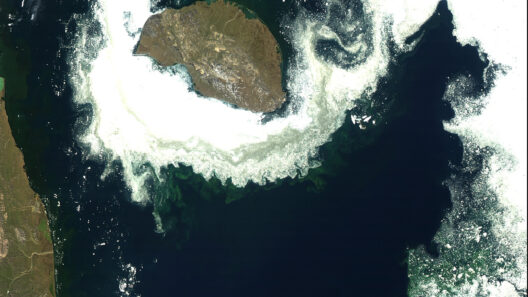
Moreover, the changing climate exacerbates the prevalence and intensity of extreme weather events, such as storms, heatwaves, and wildfires. These events can lead to substantial beach erosion and pollution through increased runoff, further compromising coastal water quality. Heavy precipitation events can wash harmful pollutants, debris, and sediments into the ocean, leading to harmful algal blooms and degraded water quality. This phenomenon not only affects local marine life but also poses health risks to beachgoers and diminishes the overall experience of California’s beaches.
Another alarming aspect of climate change is the alteration of ocean currents and temperature, which has significant implications for marine biodiversity. Warmer waters can shift fish populations northward, altering established fishing patterns and jeopardizing local economies that depend on stable fish stocks. Traditional fishing communities may find their livelihoods threatened as the species they rely on migrate to cooler waters, creating economic turmoil and cultural displacement.
Addressing California’s coastal concerns requires a multifaceted approach that combines scientific research, policy reform, and community engagement. State and local governments are beginning to recognize the urgent need for proactive measures. Coastal adaptation strategies, such as constructing sea walls, restoring natural dunes, and implementing managed retreat in vulnerable regions, are crucial components of resilience planning. Furthermore, investing in green infrastructure, such as restoring wetlands and marshes, can provide natural barriers against rising seas while enhancing biodiversity.
Community involvement plays a vital role in the success of these initiatives. Grassroots organizations and local activists are instrumental in raising awareness about coastal issues and pushing for greater accountability from policymakers. Public education campaigns can empower citizens to understand the stakes of climate change, fostering a collective sense of stewardship for California’s iconic coastlines.
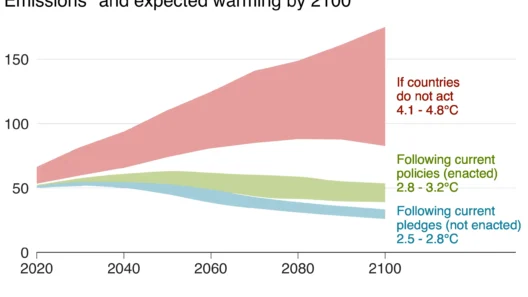
Additionally, California has the opportunity to lead by example in terms of adopting sustainable practices. Transitioning to renewable energy sources and reducing greenhouse gas emissions are essential steps toward mitigating the impacts of climate change. Investments in clean technology not only benefit the state’s economy but can also serve as a blueprint for other coastal regions worldwide facing similar challenges.
In conclusion, California’s coastal landscapes, while stunning, are in the throes of a climate crisis that demands immediate attention. The effects of global warming are manifesting in myriad ways, resulting in physical changes to shorelines, threats to marine biodiversity, and social implications for communities reliant on these habitats. A commitment to sustainability, combined with community engagement and robust policy measures, can pave the way for protecting California’s beaches for future generations. The state’s inhabitants have a unique opportunity to rise to the challenge and safeguard their coastlines, ensuring that both the natural beauty and ecological integrity of California endure against the inexorable march of climate change.