

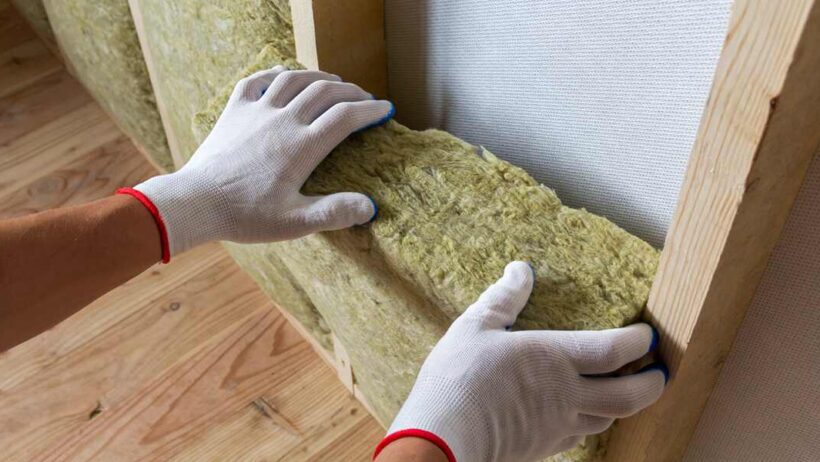

Insulation is akin to a home’s protective cocoon, enveloping it in warmth during winter’s chill and warding off the oppressive heat of summer. Yet, beneath this shield lies a clandestine danger: mold. Specifically, the question arises—can fiberglass insulation, renowned for its thermal efficiency, fall victim to this opportunistic fungus? To unpack this concern, we must delve into the intricate relationship between fiberglass insulation and moisture, a dance that can lead to unwelcome results.
To understand the risks associated with mold growth on fiberglass insulation, we must first contemplate the ecological prerequisites for mold proliferation. Mold, much like a persistent weed, requires three elements to thrive: moisture, organic material to feed upon, and a hospitable temperature. Fiberglass insulation, while inorganic and resistant to many conditions, is not entirely immune. It is a medium that, under certain circumstances, can become a breeding ground for mold if moisture is allowed to linger.
Moisture intrusion is often the chief protagonist in this narrative of decay. Building envelops can be beleaguered by leaks from plumbing systems, roof failures, or even the high humidity levels that sometimes accompany seasonal changes. When moisture seeps into fiberglass insulation, it transforms the insulation from a mere passive thermal barrier into an inviting oasis for mold spores. These spores, often airborne and nearly invisible, can settle on damp surfaces, capitalizing on the moisture to establish a colony.
A striking characteristic of mold is its ability to flourish in environments often deemed inhospitable. While fiberglass does not provide nutrients, it serves as an excellent medium for holding onto moisture. When insulation becomes waterlogged, it can create pockets where mold can anchor itself. This phenomenon is akin to a traveler stumbling upon an unexpectedly fertile valley after crossing a parched desert.
Furthermore, the composition of fiberglass insulation is noteworthy. Although it is invulnerable to combustion and minimizes pests—qualities that make it a popular building choice—fiberglass is not entirely “mold-proof.” If it is subjected to prolonged moisture exposure, mold can proliferate on the dust and organic debris accumulated on the surface. Thus, while the insulation itself does not contribute to the alimentary needs of mold, the environment surrounding it, and the insulation’s inherent properties, can create the perfect conditions for mold growth.
Homeowners must also recognize that mold growth on fiberglass insulation is not merely a cosmetic issue—it can burgeon into a severe health hazard. Mold spores released into the air can precipitate a range of respiratory ailments, allergic responses, and even aggravate pre-existing conditions such as asthma. The invisible mayhem orchestrated by mold in insulated spaces illustrates a paradox: the seemingly innocuous insulation, designed to protect and preserve, can become harmful when air quality is compromised.
To prevent such scenarios, vigilance is paramount. Regular inspections of the attic, crawl spaces, and within walls—areas where fiberglass insulation is typically installed—can illuminate potential infestations before they escalate. Adequate ventilation becomes a critical ally in this endeavor. By ensuring proper airflow and reducing humidity levels, homeowners can stave off the moisture that mold desperately seeks. This requires an understanding of balance: too much humidity encourages growth, while excessively dry conditions can compromise the insulation’s insulative properties.
If mold has already taken root, remediation is not just a suggestion but a necessity. First, it is vital to identify and rectify the moisture issue. Sealing leaks, improving drainage, and often utilizing dehumidifiers can mitigate future risks. Upon addressing the environmental triggers, the physical removal of the mold-infested fiberglass insulation may be required. While some may opt to treat the area with fungicides, this approach does not always guarantee the removal of mold spores, making replacement the most effective means of ensuring a mold-free environment.
Moreover, in this quest to understand the potential risks associated with fiberglass insulation, one must also consider the superior alternatives available on the market. Materials such as spray foam insulation offer inherently moisture-resistant properties, creating an adversarial environment for mold. Encapsulated insulation options can prevent mold proliferation by ensuring that moisture does not penetrate the insulation material itself.
Additionally, understanding the long-term environmental impact of insulation choices is vital. Opting for sustainable materials minimizes ecological footprints, while simultaneously addressing concerns about mold growth. The use of cellulose or wool insulation not only provides effective thermal resistance but also naturally resist mold through their unique compositions. This paradigm shift not only benefits the homeowner but also aligns with the broader goal of fostering sustainable practices in construction and remodeling.
Ultimately, the potential for mold growth on fiberglass insulation serves as a salient reminder of the complexities of home maintenance and air quality. Like the silent transformative power of nature, mold can change the dynamics of indoor environments in subtle yet alarming ways. By understanding the moisture risks associated with fiberglass, homeowners become empowered to make informed decisions that protect both their health and the sanctity of their living spaces.
The narrative of insulation is more than merely about thermal efficiency; it encompasses the necessity for vigilance and action. Through diligent inspection, informed choices, and preventive measures, one can ensure that the protective cocoon remains just that—protective—not a harbor for unwelcome growth hidden within the shadows.