


In an era marked by an escalating climate crisis, the role of greenhouses in agriculture and their impact on global warming warrants a thorough exploration. Greenhouses, structures designed to harness sunlight for crop cultivation, present both promises of sustainability and challenges that provoke critical inquiry. Are these agricultural havens potential allies in the fight against climate change, or do they inadvertently contribute to environmental degradation? This discourse will examine the multifaceted nature of greenhouses, dissecting their capabilities, limitations, and overall implications for the future of our planet.
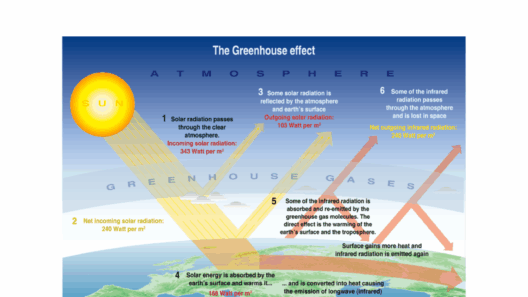
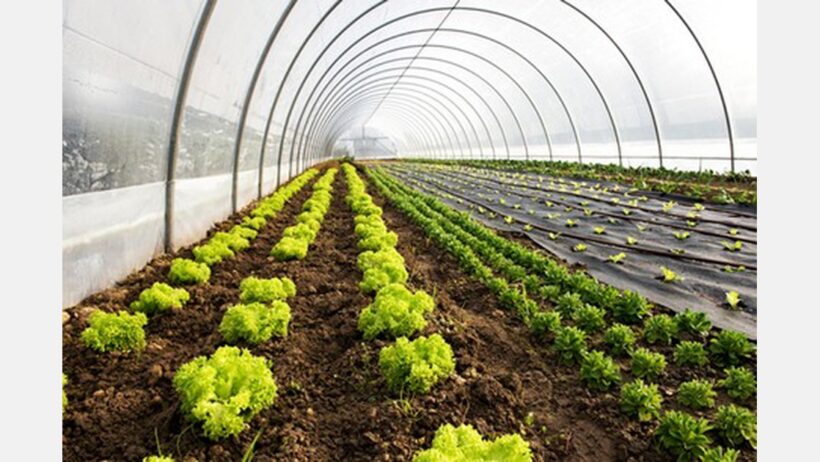
At the core of greenhouse functionality lies the principle of solar energy capture. By allowing sunlight to penetrate while retaining heat, greenhouses create an optimal microclimate for plant growth. This efficiency is pivotal in regions where climate conditions are erratic or marginally inhospitable. By extending the growing season, greenhouses significantly bolster agricultural productivity, potentially reducing the necessity for expansive land use that often disrupts ecosystems. Consequently, the strategic deployment of greenhouses can serve as a means to conserve biodiversity while meeting the demands of a burgeoning global population.
Moreover, greenhouses offer a unique opportunity to cultivate crops in a controlled environment, minimizing dependence on chemical pesticides and fertilizers. The enclosed nature of these structures allows for enhanced pest management techniques, including biological control methods that utilize natural predators instead of synthetic chemicals. This shift not only mitigates the environmental footprint traditionally associated with agriculture but also promotes healthier crop yield. As such, in theory, greenhouses can be viewed as significant contributors to sustainable agricultural practices.
Nevertheless, this optimistic perspective must be tempered with scrutiny. The construction and operation of greenhouses can lead to a substantial carbon footprint. The materials used in building these structures—often plastics, metals, and glass—require energy-intensive production processes that emit greenhouse gases. Furthermore, many greenhouses depend on fossil fuels for heating and ventilation, which negates some of their potential environmental benefits. This paradox raises poignant questions regarding the sustainability of greenhouses as a long-term solution to agricultural and ecological challenges.
In addition to their physical footprint, the energy demand associated with maintaining optimal conditions within greenhouses can be considerable. Although innovations have introduced more energy-efficient technologies, the reality remains that the operational emission levels can undermine the environmental advantages that greenhouses are designed to provide. This presents a critical juncture: as demand for greenhouse-grown produce surges, the industry must address the compatibility of these structures with overarching climate goals.
Another contentious issue is the reliance on monoculture practices within greenhouse systems. While greenhouses can facilitate diverse cultivation practices, a tendency towards monocultures often emerges due to economic incentives. This practice can exacerbate soil degradation and promote pest and disease outbreaks that necessitate increased intervention. Consequently, the very efficiencies that greenhouses can bring to agriculture may unwittingly support ecological imbalances and threaten long-term agricultural health.
Transitioning from monocultural practices to integrated crop systems could present a solution. Diverse plantings within greenhouses not only foster ecological resilience but also provide a buffer against climate variability. By mimicking natural ecosystems, multi-crop systems can enhance soil health, promote pollinator activity, and reduce greenhouse gas emissions. These methods exemplify how greenhouses can adapt to more sustainable practices, challenging the assumptions that modern agricultural systems must adhere strictly to monoculture for profitability.
An intriguing dimension to the greenhouse conversation is their potential role in carbon sequestration. Innovations in design and technology continually evolve, suggesting that future greenhouses could actively contribute to carbon capture. Techniques such as integrating biochar into soils or utilizing energy-generating bioreactors within greenhouse systems could allow for a dual function: growing food and sequestering carbon. These combined strategies offer a novel approach to addressing the climate crisis while still promoting food security.
Furthermore, with global food demand set to rise, the question of location and scale becomes paramount. Large-scale industrial greenhouses may exacerbate issues associated with land use and energy consumption, challenging the sustainability narrative. In contrast, community-based or urban greenhouses are emerging as a promising alternative, bringing food production closer to urban populations. This localized model reduces transportation emissions and fosters community engagement, creating an accessible path towards building resilient food systems.
Ultimately, the efficacy of greenhouses in the battle against global warming hinges on a delicate balance. Their capacity to provide food security, reduce pesticide use, and promote conservation must be weighed against their environmental costs. The dialogue surrounding greenhouses must emphasize innovation, adaptability, and inclusivity, inviting all stakeholders—from farmers to policymakers—to participate in shaping a more sustainable future.
In conclusion, greenhouses hold transformative potential in the context of climate change and agricultural production. By reassessing their role through a critical lens, the integration of eco-friendly practices, and the advocacy for alternative models, we can unlock the myriad benefits these structures may offer. The challenge ahead is not merely in the proliferation of greenhouses, but in how we evolve their implementation and integration into the fabric of sustainable agriculture and environmental stewardship. The answer may lie in our capacity to reimagine our agricultural systems in light of both challenges and opportunities—ushering forward an era where greenhouses embody hope rather than harm in the quest against global warming.