


As the specter of climate change looms large over our collective future, the question arises: can humanity adapt—or are we inexorably headed for extinction? This exploration delves into the intricate interplay between human resilience and the formidable challenges posed by an ever-changing environment. The stakes have never been higher, and our response to this pressing dilemma will dictate not only the survival of our species but also the health of the planet.
Climate change, driven primarily by anthropogenic greenhouse gas emissions, manifests in myriad ways. Rising temperatures, melting ice caps, unprecedented weather patterns, and deteriorating ecosystems strain our resources and challenge our adaptability. The question of whether humanity can adjust to these changes should not be dismissed lightly; it invites a deeper examination of our capabilities, technologies, and the very nature of our societies.
Humanity has displayed remarkable adaptability throughout history. From the earliest forays into agriculture—which allowed for settled communities and population growth—to the Industrial Revolution that propelled technological advancement, we have continually transformed our way of life. Yet, the current pace of change is unprecedented. Our technological marvels, once our greatest allies, now pose significant risks. Thus, we find ourselves at a critical juncture: adapt or perish.
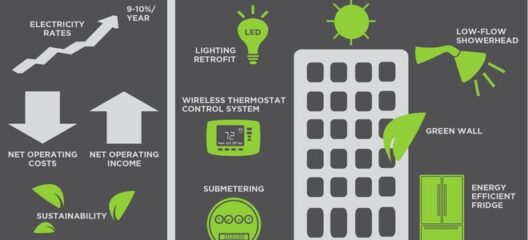
In assessing the potential for adaptation, it is essential to consider our technological prowess. Innovations in renewable energy, such as solar and wind power, offer promising alternatives to fossil fuels. The proliferation of electric vehicles and energy-efficient technologies can significantly mitigate our carbon footprint, affording us a chance to pivot away from our destructive habits. Moreover, advancements in carbon capture and storage technologies present a multifaceted approach to addressing the atmospheric concentrations of greenhouse gases.
However, the technical solutions alone are insufficient. A paradigm shift in our societal structures is imperative. This shift demands a reevaluation of our economic priorities, aligning them with sustainable practices and ecological stewardship. It involves fostering a culture of environmental consciousness where individuals and corporations recognize their roles in ameliorating climate change. Education plays a pivotal role here, equipping future generations with the knowledge and skills necessary to face ecological challenges head-on.
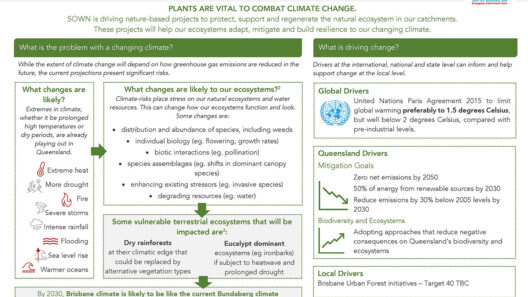
Adaptation is not solely about technology; it encompasses behavioral changes, policy reform, and community engagement. The implementation of adaptive strategies by local governments—prioritizing resilience against climate threats—illustrates the potential for proactive measures. Examples abound: coastal communities are investing in infrastructure designed to withstand rising sea levels, while agricultural regions are adopting climate-smart practices that enhance food security in the face of erratic weather patterns. These initiatives underscore a growing recognition that community-level adaptation can be as vital as technological advances.
Nevertheless, optimism should be tempered by the sobering reality of existing global inequities. Not all populations have equitable access to resources or technologies that facilitate adaptation. Marginalized communities are often the first and most severely impacted by climate change, exemplifying a stark disparity in vulnerability. Addressing these issues requires a concerted effort to ensure that adaptation strategies are inclusive and equitable, providing support to those most at risk. It entails a collaborative approach that transcends borders, recognizing climate change as a global challenge that warrants unified action.
Moreover, the narrative that centers on adaptation can sometimes obscure the urgency of mitigation strategies. While adaptation is crucial, it must not eclipse the necessity of reducing greenhouse gas emissions. The dual focus on adaptation and mitigation is essential in charting a sustainable pathway forward. Without significant mitigation efforts, adapting to the harsh realities of climate change may simply delay the inevitable consequences of our continued inaction.
Humanity’s potential to adapt is further complicated by the psychological dimensions of climate change. The pervasive sense of hopelessness and despair can paralyze action, creating a feedback loop that stunts necessary change. Therefore, fostering hope and agency in the face of adversity is crucial for rallying collective human effort. Narratives that highlight successful adaptations, innovations, and community resilience serve as vital tools in dispelling hopelessness, galvanizing action towards a more sustainable future.
Furthermore, the exploration of biophilia—the innate tendency of humans to seek connections with nature—offers insights into enhancing our adaptation strategies. Cultivating a deep-rooted appreciation for biodiversity and natural ecosystems can facilitate better stewardship. Communities that value their environmental heritage often engage in restoration projects and protective measures, demonstrating a profound understanding of our interconnectedness with the natural world.
In conclusion, whether humanity can adapt or is bound for extinction hinges on our resolve to embrace change—technologically, socially, and psychologically. The future is not predetermined; it is molded by our choices, actions, and collective consciousness. Acknowledging the catastrophic possibilities while simultaneously fostering optimism and action is imperative. As we stand at this crossroads, the promise of adaptation exists, but it necessitates relentless effort, empathy, and an unwavering commitment to sustainability. It is within our grasp to cultivate a world where humanity not only endures but flourishes in harmony with the Earth. Time is of the essence, and the call to action is urgent. The resilience of our species depends on it.