
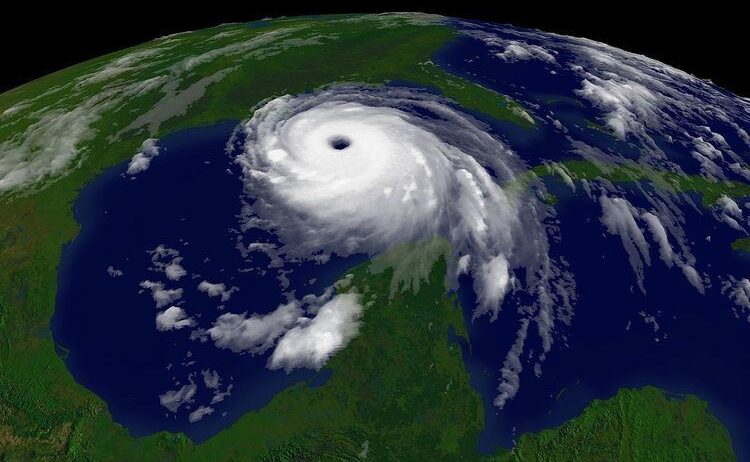

The devastating impact of Hurricane Katrina in 2005 was a wake-up call for many regarding the escalating severity of natural disasters. As communities grappled with the humanitarian and logistical aftermath, a crucial question emerged: Can hurricanes like Katrina be attributed to global warming? This inquiry delves into the complex interplay between climate change and extreme weather patterns, revealing both the scientific consensus and the ongoing debates surrounding this pressing issue.
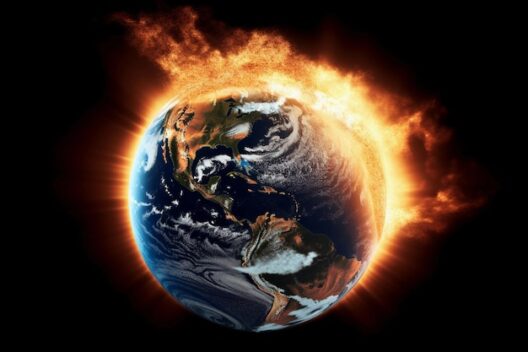
The cyclical nature of hurricanes is well established; they typically form over warm ocean waters. As sea surface temperatures rise due to climate change, the potential for more intense hurricanes increases. Warm water acts as fuel for storms, intensifying their strength and accelerating their development. The rise in global temperatures—attributable to human activities, such as the combustion of fossil fuels and deforestation—has heightened the frequency of weather-related anomalies, including hurricanes.
Intriguingly, while some meteorologists assert that climate change does not create new storms, it significantly enhances their ferocity and duration. Studies indicate that warmer ocean waters lead to increased evaporation, providing hurricanes with more moisture and energy. This phenomenon results in storms that are not only more powerful but also capable of producing prolonged rainfall, thereby exacerbating flooding in coastal regions. Katrina’s legacy, marked by catastrophic flooding, serves as a case study for this outcome, demonstrating how climate change factors into the devastation of hurricanes.
Moreover, rising sea levels—a direct consequence of global warming—magnify the threat posed by hurricanes. As polar ice melts and ocean water expands due to heat, coastal cities become increasingly vulnerable to storm surges. Hurricane Katrina inundated New Orleans in part due to the city’s low elevation relative to sea level; the surge elements were exacerbated by a warming planet. The correlation becomes evident: as temperatures rise, so do sea levels, creating a perilous cycle of risk for coastal communities.
Some researchers further illustrate the connection between climate change and hurricane intensity through advanced climate models. These sophisticated tools simulate potential future scenarios based on different greenhouse gas emissions trajectories. The consensus emerging from numerous studies suggests that, while the overall frequency of hurricanes may remain relatively stable, the proportion of Category 4 and 5 hurricanes is likely to increase. This forecast aligns with observations of storm patterns in the past decade, thus reinforcing the urgent need for a proactive approach to climate mitigation.
Despite this scientific backing, skepticism lingers among certain communities regarding the link between hurricanes and global warming. Critics often point to the historical occurrence of destructive hurricanes prior to the onset of significant anthropogenic climate influence. They argue that hurricanes are a natural phenomenon—albeit one impacted by evolving climatic conditions. It is crucial to address these concerns head-on, acknowledging that while hurricanes have existed for millennia, the current context of climate change introduces variables that shift the paradigm. The historical backdrop does not negate the valid arguments presented by climate scientists; rather, it contextualizes them within a continuum of evolving environmental conditions.
Furthermore, public perception plays a significant role in the discourse surrounding hurricanes and climate change. Media portrayals can amplify fears or induce apathy, affecting how communities engage with climate-related risks. In the wake of disasters like Hurricane Katrina, the public’s consciousness surrounding climate change intensifies, yet it often wanes as time passes. This cyclical awareness underscores the necessity for sustained education and advocacy to maintain focus on climate resilience strategies.
Enhancing infrastructure, developing early warning systems, and promoting sustainable land-use practices are critical steps toward mitigating the effects of hurricanes. Improved construction standards in vulnerable areas can significantly reduce the damage wrought by severe storms. Furthermore, investing in natural barriers, such as wetlands and mangroves, fosters resilience against storm surges, offering an additional line of defense against hurricanes bolstered by climate change.
On a broader scale, addressing the root causes of climate change is imperative. This includes transitioning to renewable energy sources, reducing greenhouse gas emissions, and fostering sustainability initiatives. For communities affected by hurricanes, taking a proactive stance against climate change not only supports local economies but also safeguards future generations from the escalating threat of extreme weather events.
In conclusion, the intersection of hurricanes like Katrina and global warming represents a complex landscape of science, perception, and social responsibility. As climate change continues to evolve, it is paramount to recognize the influence of rising temperatures and sea levels on the nature of hurricanes. The once-reticent discourse on climate change is now a pivotal conversation in disaster preparedness and response. While uncertainty remains about the precise extent of climate change’s impact on individual storms, the increasing intensity of hurricanes can no longer be ignored. The imperative lies in understanding these connections, engaging in informed dialogue, and committing to action that can mitigate future disasters. Through education, policy change, and community resilience, we can pave the way for a more sustainable future, cognizant of the lessons inherent in our past.