

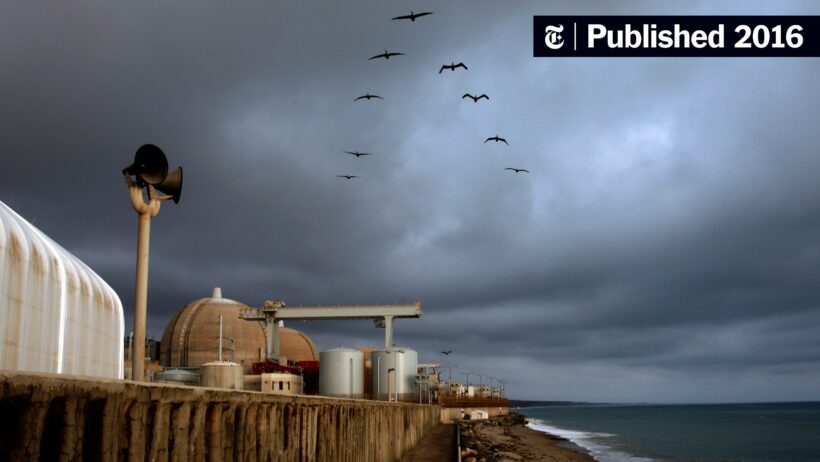

Nuclear power has long been a contentious subject in discussions surrounding energy generation and climate change. Advocates tout its potential to significantly reduce greenhouse gas emissions, while detractors argue its risks and environmental impacts undermine these benefits. The central question persists: can nuclear power plants, in their quest to mitigate climate change, inadvertently make global warming worse? To explore this, we must dissect several critical dimensions of nuclear energy, including safety, waste management, environmental impact, and the paradox of public perception.
At the heart of nuclear energy’s allure is its capacity for reliable baseload power generation. Unlike fossil fuel plants that emit vast quantities of carbon dioxide into the atmosphere, nuclear reactors produce electricity through fission, a process that releases energy without combustion. This pivotal characteristic positions nuclear power as a formidable ally in the fight against climate change. For nations aiming to curtail their carbon footprints, investing in nuclear infrastructure offers a pathway to maintain energy security while transitioning away from fossil fuels.
However, this narrative is intricately woven with concerns regarding safety and the potential for catastrophic events. High-profile incidents such as Chernobyl and Fukushima have amplified fears surrounding nuclear energy. The aftermath of these disasters not only highlighted the dire consequences of operational failures but also underscored the long-term ecological ramifications. Radioactive contamination disenfranchises vast tracts of land, manifesting a paradox where the immediate benefits of clean energy are overshadowed by prolonged ecological distress. Such incidents instill a sense of trepidation among communities, raising an imperative inquiry: does the potential for disaster negate the climate benefits?
Inextricably linked to safety is the issue of nuclear waste. The byproducts of fission are undeniably hazardous and require meticulous management. Current methods for storing nuclear waste often span millennia, demanding secure facilities that can withstand natural disasters and human interference alike. Critics contend that the long-term storage solutions currently employed pose substantial risks, potentially leading to contamination of groundwater and soil, thereby jeopardizing surrounding ecosystems. The kanban of waste management bears scrutiny, questioning whether generations of hazardous waste generation can truly offset the climate benefits of nuclear energy. The complexity of this dilemma raises notable concerns that may well influence public sentiment against nuclear deployment.
Furthermore, while nuclear power emits minimal greenhouse gases during operation, the lifecycle of nuclear energy from uranium mining to reactor construction to decommissioning warrants examination. Each phase of this cycle entails energy consumption and potential environmental disruption. Uranium mining, for instance, presents ecological challenges, including habitat destruction and water pollution. The extraction and enrichment processes demand significant energy inputs, much of which may still come from fossil fuel sources. Consequently, if these ancillary processes produce emissions on par with or greater than the avoided emissions from fossil fuel combustion, it raises questions about the net impact of nuclear energy on global warming.
Another intriguing facet of the nuclear debate involves the social dynamics intertwined with energy production. The public mindset often swings in favor of renewable sources such as wind and solar power, which align with more sustainable narratives. These energy forms are often perceived as cleaner and more environmentally benign compared to nuclear power, which carries the stigma of danger and uncertainty. The challenge emerges as transitioning to a low-carbon future necessitates a keen awareness of more than just raw emissions. The discourse must embrace social perceptions, aiming to reeducate the public on nuclear energy’s actual environmental implications versus its perceived risks. Such a paradigm shift could serve to bolster support for well-regulated nuclear deployments while navigating the tumultuous waters of public acceptance.
Exploring the potential of advanced nuclear technologies also introduces optimism to this debate. Innovations such as small modular reactors (SMRs) promise to enhance safety, efficiency, and waste management capabilities, representing a potential evolution in nuclear engineering. These systems aim to operate under passive safety mechanisms, minimizing risks of catastrophic failure. Additionally, advances in fuel recycling technologies could potentially mitigate waste challenges, offering pathways to utilize spent fuel more effectively and reduce ecological impacts. The question becomes whether these innovations can sufficiently assuage public concerns and enable societies to embrace nuclear energy’s potential fully.
Ultimately, the relationship between nuclear power and global warming encapsulates a complex interplay of environmental, technological, social, and economic factors. While the promise of low-carbon energy generation remains alluring, the potential pitfalls cannot be disregarded. The challenge lies in striking a delicate balance between reaping the benefits of nuclear energy while fostering an ecosystem that mitigates inherent risks. Addressing safety, waste management, emissions pathways, and public perception will be central to shaping a more nuanced understanding of nuclear power’s role in climate change efforts.
In conclusion, the inquiry into whether nuclear power plants can exacerbate global warming reveals intricate layers that demand careful consideration. Embracing nuclear power as a viable component of an integrated energy strategy necessitates not only technological advancements but also an evolving social narrative that transforms fear into understanding. The promises embedded in nuclear technology must be weighed judiciously against the historical lessons of its past. In this delicate balancing act, informed dialogue and visionary planning will be critical as we chart a course toward a sustainable energy future.