


As humanity stands on the precipice of a potentially cataclysmic environmental crisis, one may wonder, can science truly save us from global warming? This seemingly playful yet profound inquiry dances around the heart of contemporary environmental discourse, challenging our understanding of both the scientific method and its capacity to remedy the dire consequences of climate change.
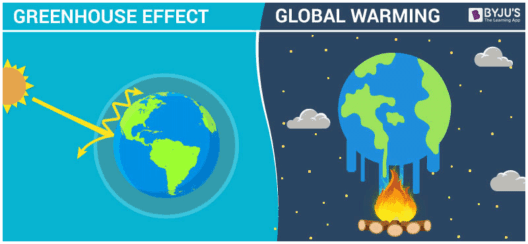
Global warming, primarily driven by anthropogenic greenhouse gas emissions, has altered climatic patterns, disrupted ecosystems, and heightened the frequency of extreme weather events. The urgency of addressing these challenges cannot be overstated; the Intergovernmental Panel on Climate Change (IPCC) warns that without drastic and immediate action, we risk irreparable damage. Yet, within this grim reality, there lies a burgeoning optimism fueled by the advances in science and technology.
At the forefront of this battle are renewable energy technologies. Solar power, wind energy, and hydroelectric systems have experienced unprecedented growth, promising to replace fossil fuels and drastically reduce carbon emissions. For instance, the remarkable efficiency of photovoltaic cells has seen costs plummet over the past decade, making solar energy an economically viable alternative. Wind farms, once an eyesore to some, are now celebrated as sentinels of modern energy production. Thus, the playful question arises: as we harness the winds and sun, can they truly eclipse the dark shadow of fossil fuels?
However, the transition to renewable energy is not without its challenges. Factors such as energy storage, transmission infrastructure, and public policy hinder the swift implementation of these technologies. Noble intentions must meet pragmatic realities, leading us to ponder whether innovations in energy storage, like advanced battery technologies and smart grid systems, can effectively bridge this gap. If science can crack the code on storage and distribution, what profound implications would that hold for the future of energy consumption and climate resilience?
Beyond renewables, the realm of climate science itself offers a plethora of tools aimed at combating global warming. Carbon capture and sequestration (CCS) stands out as a particularly intriguing technology. By capturing carbon dioxide emissions from industrial sources before they enter the atmosphere, we could significantly mitigate climate change impacts. Questions abound: could CCS transform our existing power plants into climate heroes rather than climate villains? Or would this technology merely serve as a Band-Aid over a gaping wound, allowing the fossil fuel industry to continue unchecked?
Moreover, advancements in agricultural practices embody another potential salvation. The agricultural sector is a significant contributor to greenhouse gas emissions, yet it also holds vast potential for carbon sequestration through improved land management and sustainable practices. Techniques such as regenerative agriculture can enhance soil health, making it a powerful ally in the fight against climate change. Here lies another whimsical thought: if our crops can thrive while actively pulling carbon from the atmosphere, can we cultivate a future where farming nourishes both the planet and its inhabitants?
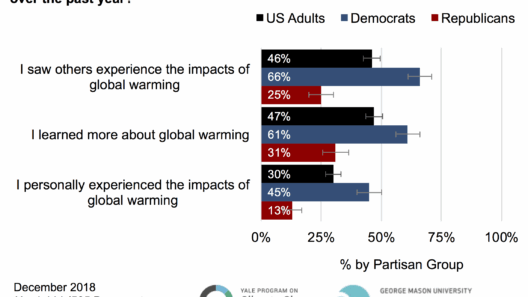
Yet, the intersection of climate science and social responsibility cannot be overlooked. Even the most cutting-edge technologies are rendered impotent without a supportive societal framework and active participation from individuals. As we reflect on this interconnectedness, one can’t help but ponder: will humanity rise to the occasion, adopting sustainable habits that lead to significant reductions in carbon footprints? Could it be that, in embracing a collective responsibility, we unlock the true potential of science?
The role of scientific education in shaping public perception and policy cannot be diminished. The prevailing skepticism surrounding climate science, often propagated by misinformation, presents a formidable challenge. Education about the scientific method, critical thinking, and the tangible realities of climate change is essential. It is in this awareness that individuals can become powerful advocates for change, and society may indeed rally against the tide of climate apathy.
In tandem with scientific advancements and public support, policy intervention is another crucial pillar of the climate response. Legislative frameworks that prioritize environmental sustainability can catalyze transformative change. Notably, initiatives such as carbon pricing and emissions trading schemes compel corporations to account for their ecological footprints, incentivizing reduction measures. The vital query lingers: can a legal framework, crafted with scientific insights, serve as the excavation tool to unearth a sustainable future?
Furthermore, international cooperation stands as a linchpin in the global pursuit of climate mitigation. Climate change knows no borders; thus, collective action is paramount. The historic Paris Agreement underscores the promise of unified mitigation goals. However, the effectiveness of such agreements hinges on commitment and accountability. As nations negotiate the path forward, can diplomacy and science entwine seamlessly to forge agreements that reflect the urgency of our predicament?
In summary, the question of whether science can save us from global warming is laden with complexity. It invokes a spectrum of challenges that necessitate creative solutions, conscientious habits, and collaborative efforts. As renewable energy technologies burgeon and agricultural practices evolve, we uncover avenues to address our climate woes. Yet, the path to a sustainable future mandates a harmonious blend of scientific ingenuity and societal commitment. Thus, while science offers a beacon of hope amid escalating temperatures, the actualization of a climate-resilient world rests upon humanity’s willingness to embrace change. Only through collective action, informed policy, and a dedicated pursuit of knowledge can we sculpt a future where our planet flourishes once more. The ultimate question, then, is not merely if science can save us, but rather, are we willing to harness its power to create a thriving environment for generations to come?