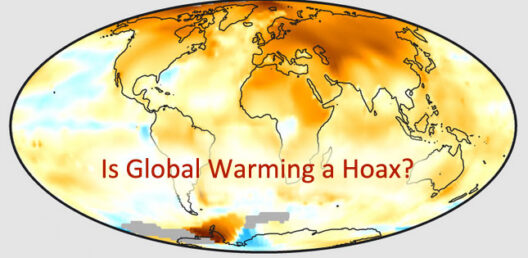




Climate change, an ever-looming specter, has transcended its status as a mere environmental issue; it now embodies a multifaceted challenge that impacts every facet of human existence. Rising temperatures, relentless storms, and unprecedented droughts conjure images of a world at the brink. However, amidst this daunting reality, science offers glimmers of hope. As we delve into the complexities of reversing climate change, we not only grapple with daunting statistics but also embrace innovative strategies that promise to alter our trajectory. Here, we explore the question: Can we reverse climate change?
The first step in contemplating reversal is recognition: climate change is not a singular event but rather a cumulative product of human activity. The combustion of fossil fuels releases copious amounts of carbon dioxide (CO2) and other greenhouse gases into the atmosphere. This accumulation has reached alarmingly high levels, fundamentally altering the natural balance. Thus, the discourse on reversing climate change necessitates a comprehensive approach that goes beyond mere mitigation; it demands significant, systemic shifts in how we operate.
While the notion of reversing climate change may seem ambitious, recent advancements in technology and nature-based solutions provide pathways worth considering. Direct air capture technologies, for instance, utilize specialized machines to extract CO2 directly from the atmosphere. These innovations have garnered considerable attention and investment, showcasing promising potential in terms of scalability and efficiency. Moreover, the feasibility of developing negative emissions technologies—from bioenergy with carbon capture and storage (BECCS) to ocean fertilization—represents a burgeoning sector within the realm of environmental science.
Nonetheless, technology alone is insufficient; the restoration of natural ecosystems emerges as a focal point in the quest for reversal. Reforestation and afforestation efforts can drastically reduce atmospheric CO2 levels. Trees act as remarkable carbon sinks, sequestering carbon as they grow. Global initiatives aimed at planting billions of trees are gaining traction and offer a twofold benefit: they aid in carbon sequestration and foster biodiversity. Furthermore, protecting existing forests from deforestation is equally crucial, as mature trees store vast reserves of carbon that would otherwise be released back into the atmosphere.
In conjunction with restoration efforts, sustainable agricultural practices present a dynamic avenue for carbon reduction. Regenerative agriculture, which emphasizes soil health and biodiversity, can enhance carbon retention in the earth. By adopting practices such as cover cropping, minimal tillage, and agroforestry, farmers can not only improve food security but also contribute to reversing climate change. The soil, often overlooked in climate discourses, plays an integral role in carbon storage—acting as a reservoir for sequestered CO2. Redirecting focus towards soil health can yield significant climate benefits while ensuring sustainable food production.
Transitioning to renewable energy sources is another cornerstone in the fight against climate change. Solar, wind, hydropower, and geothermal energy represent cleaner alternatives that have been on the global agenda for years. The decreasing costs of solar panels and wind turbines have catalyzed their adoption worldwide. By phasing out fossil fuel reliance, we can dramatically cut emissions—one of the most impactful shifts toward reversing climate change. However, this transition must be complemented by advances in energy storage technologies to manage intermittency and ensure stable energy supplies.
Moreover, the role of policy and governance cannot be understated. Collective action through policy frameworks is essential to incentivize and facilitate the changes needed to reverse climate change. International agreements, such as the Paris Accord, are pivotal in enforcing commitments to reduce global emissions. Governments must enact policies that promote renewable energy, support sustainable agriculture, and incentivize carbon capture technologies. Local communities also play a vital role in advocacy, as grassroots efforts can significantly elevate climate awareness and drive policy changes from the ground up.
Perhaps equally important is the aspect of consumer behavior. Each individual’s choices culminate in substantial impacts on carbon footprints. Dietary shifts, particularly the reduction of meat consumption in favor of plant-based diets, can lead to dramatic decreases in greenhouse gas emissions. The livestock industry is a major contributor to methane emissions, and reducing demand can alleviate pressure on the climate. Engaging the public to re-evaluate purchasing habits—opting for products that embody sustainability—can contribute to meaningful change.
Yet, the most compelling solutions may lie in the intersection of technology, ecology, and human behavior. The concept of “climate-smart” cities is gaining momentum, emphasizing urban design that prioritizes energy efficiency, green spaces, and sustainable transportation. An integrated approach can enhance resilience against climate impacts while reducing emissions. Urban areas, which are responsible for the majority of global emissions, have the potential to transform into beacons of sustainability through innovative design and policies.
Ultimately, reversing climate change rests on a delicate balance of hope and pragmatism. The urgency of this challenge compels a radical rethinking of existing paradigms. Each scientific breakthrough, policy shift, or community initiative represents a potential lever to catalyze systemic change. While the path to reversing climate change is fraught with obstacles, embracing interdisciplinary approaches and fostering collaboration across sectors can yield transformative results.
As we consider the implications of our actions on future generations, the responsibility to ignite change becomes clearer. The question is no longer whether we can reverse climate change, but rather how determined we are to commit to that reversal. The answers lie not just in scientific inquiry, but in collective willpower—an undeniable synergy of innovation, restoration, and activism. Together, we possess the capacity to script a new narrative, one where a thriving, sustainable planet is not merely a dream but an achievable reality.