



As we traverse the terrestrial tapestry of our existence, one cannot help but notice the accelerating pace at which the climate crisis unfolds. The looming specter of global warming casts a long shadow over our planet, much like a colossal storm cloud gathering strength. This phenomenon, spurred by human activity, primarily the unchecked combustion of fossil fuels, beckons an urgent question: Can we save Earth from the threat of global warming?
To address this concern, we must delve into the multifaceted nature of global warming. At its core, this crisis represents an unprecedented alteration in the planet’s climatic equilibrium, resulting in severe consequences for ecosystems and human civilizations alike. The intricate web of life, woven over millennia, is now fraying at the edges, with rising temperatures causing polar ice caps to melt and sea levels to swell. This grim tableau is compounded by the increased frequency of extreme weather events, such as hurricanes, droughts, and wildfires, all exacerbated by anthropogenic climate change.
Yet, amidst this overwhelming gloom, a flicker of hope remains. Like a phoenix rising from the ashes, humanity possesses the unparalleled capacity to enact transformative change. This metamorphosis requires not only a recognition of our collective responsibility but also the courage to implement innovative solutions that mitigate the impacts of global warming.
One of the most compelling strategies lies in the realm of renewable energy. Transitioning away from fossil fuels and embracing sustainable alternatives, such as solar, wind, and hydropower, can significantly reduce greenhouse gas emissions. Imagine replacing the dark fumes of coal-fired power plants with the golden rays of the sun harnessed through solar panels. This shift not only serves to invigorate our energy sector but also paves the way for new economic opportunities and job creation.
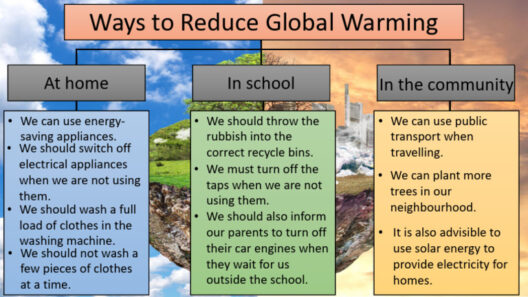
Moreover, energy efficiency stands as another stalwart ally in the fight against climate change. By fostering technological advancements and promoting sustainable practices, we can reduce our overall energy consumption. Think of it as a diet for our energy usage, trimming excess waste while still nourishing our needs. Simple measures—like retrofitting buildings, enhancing public transportation, and adopting electric vehicles—can lead to substantial decreases in carbon footprints.
However, technology alone cannot extricate us from this quagmire. Social and behavioral change is essential. Reimagining our relationship with nature, akin to the symbiotic bonds found in healthy ecosystems, fosters a profound respect for the environment. This necessitates education and advocacy, empowering individuals to make informed choices—from reducing meat consumption to engaging in local conservation efforts. By fostering a culture of sustainability, the collective impact can be transformative.
International cooperation also plays a pivotal role in combating global warming. Climate change is not confined by geopolitical borders; it is a global challenge demanding a unified response. The Paris Agreement serves as a beacon of hope in this endeavor, fostering an environment of collaboration among nations. By committing to ambitious targets, countries can curtail their emissions and share innovative practices. The essence of this agreement is akin to an intricate dance, requiring all participants to synchronize their efforts to achieve a harmonious outcome.
Yet, the quest for mitigating global warming extends beyond energy solutions and international accords. Deforestation, a significant contributor to carbon emissions, must be addressed with equal fervor. Forests serve as the lungs of our planet, absorbing carbon dioxide and releasing oxygen. By championing reforestation initiatives and sustainable forestry practices, we can reclaim vital ecosystems and enhance biodiversity. Reestablishing these vital green spaces acts as a bulwark against climate change, fortifying communities and providing refuge for countless species.
As we delve deeper into the natural world, one discovers another critical component in our arsenal: the role of agriculture. Traditional farming practices often exacerbate climate change through land degradation and excessive fertilizer use. However, regenerative agriculture offers an innovative alternative, promoting practices that restore soil health and enhance carbon sequestration. This agricultural renaissance positions farmers not solely as food producers but as stewards of the land, balancing human needs with ecological integrity.
Concurrently, the world of innovation holds promising prospects for carbon capture technologies. These miraculous advancements hold the potential to remove carbon dioxide directly from the atmosphere, akin to a mechanism that extracts pollutants from the air. By investing in research and development, our pursuit of such technologies could yield groundbreaking solutions to reverse the deleterious effects of climate change.
Ultimately, the path to salvaging our planet from the throes of global warming requires a paradigm shift. This phenomenon, an intricate interplay of human intention and natural consequence, hinges upon our collective will. We are at a crossroads, and the decision we make today will reverberate through generations to come. Each incremental step taken toward sustainability, whether through personal choices, innovation, or policy advocacy, contributes to a larger movement—a movement akin to a wave building momentum before crashing upon the shore.
In the face of this daunting challenge, we must embrace our roles as guardians of the earth. The question is not merely, “Can we save Earth?” but rather, “Will we unite to act?” As stewards of our planet, it is our duty to forge ahead into an uncertain future while nurturing the delicate equilibrium of life. The time to act is now, and collectively, we possess the profound potential to rewrite the narrative of our planet’s fate. In solidarity, with commitment and ingenuity, together, we can save Earth from the threat of global warming.