



The global discourse surrounding climate change has given rise to various strategies aimed at mitigating its impacts. Among these, carbon trading and carbon offsetting have emerged as two prominent mechanisms. Although both are designed to reduce greenhouse gas emissions, they operate on fundamentally different paradigms. This article delves into the intricacies of carbon trading versus carbon offsetting, exploring their respective methodologies, applications, and efficacy in combating climate change.
Carbon trading, often referred to as cap-and-trade, entails the establishment of a market for carbon allowances. Governments create a cap on total emissions permitted within a given timeframe, allocating a specific number of carbon allowances to businesses and industries. Companies that manage to lower their emissions can sell their surplus allowances to those unable to meet the required reductions. This incentivization structure encourages innovation and investment in cleaner technologies.
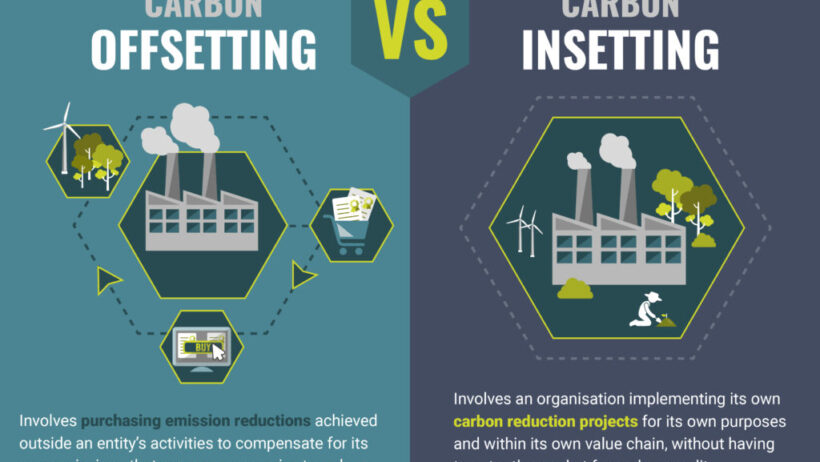
On the other hand, carbon offsetting involves the purchase of credits that represent a reduction in greenhouse gas emissions. Individuals or organizations invest in projects that either prevent emissions or sequester carbon dioxide from the atmosphere, such as reforestation initiatives or renewable energy projects. Each credit typically equates to one metric ton of greenhouse gas emissions prevented or removed, allowing participants to “offset” their carbon footprint without necessarily reducing emissions in their operations.
This fundamental difference in approach raises pertinent questions: Which method is truly more effective? To understand this, we must explore the strengths and weaknesses of each system.
One significant advantage of carbon trading is its market-driven nature. By creating a financial incentive for emission reductions, it harnesses the power of capitalism to foster environmental stewardship. Companies are motivated to innovate, seeking cost-effective ways to cut emissions rather than merely conforming to regulatory mandates. This can lead to the proliferation of ground-breaking technologies that contribute to a sustainable economy.
However, carbon trading is not without its pitfalls. The cap-and-trade system can be prone to manipulation, where corporations might exploit loopholes or circumvent regulations. Additionally, while it can drive down emissions in heavily regulated sectors, industries with less oversight may continue to pollute unabated, resulting in an uneven playing field. The question remains unanswered: Can a system reliant on market forces effectively tackle the exigencies of climate change?
Conversely, carbon offsetting is often viewed as a more straightforward, albeit less comprehensive, approach. By funding projects that promote carbon neutrality, individuals and companies can claim ecological responsibility. It provides an accessible way for businesses—especially smaller ones without the resources to overhaul operations—to contribute to emission reductions. However, this accessibility can dilute the commitment to substantive change. Critics argue that it sometimes enables a ‘license to pollute’ mentality, permitting businesses to continue emitting CO2 as long as they can buy their way out.
Moreover, the impact of carbon offsetting projects can be inconsistent. If not monitored rigorously, projects may fail to deliver the promised emissions reductions. Issues such as additionality—ensuring that the project would not have occurred without the funding—can cast doubt on the effectiveness of various initiatives. Consequently, this raises a crucial point: does merely investing in offset projects absolve organizations of their responsibility to reduce their emissions at the source?
Another layer that complicates the comparison between carbon trading and offsetting is the question of scale. Carbon trading operates within a structured system set by regulatory entities, aiming to enforce a national or regional scale approach to emissions reduction. The effectiveness of carbon trading hinges significantly on its design and implementation. If adequately enforced, it has the potential to drive down emissions substantially.
In contrast, carbon offsetting often operates on a project-by-project basis, with variations in quality and impact. Such an approach can be fragmented; without cohesion, it may lead to volunteers investing in low-quality projects that provide minimal impact. This chaotic landscape warrants scrutiny concerning the overall contribution to climate change mitigation.
Since both carbon trading and offsetting have their merits and flaws, it is vital to consider how these methods can complement rather than compete with one another. The combination of robust carbon trading regimes, alongside thoughtfully designed offset projects, could create a more holistic approach to addressing greenhouse gas emissions. A layered strategy might assist in steering the global economy towards a more sustainable trajectory without succumbing to the limitations of each individual method.
Ultimately, determining which method is ‘better’ requires a nuanced understanding of context. Carbon trading may shine in heavily regulated environments where compliance is strictly monitored, while carbon offsetting can serve as a practical solution for non-regulated sectors striving for improvement. The ideal outcome might not be a dichotomy but a synergy—a synthesis of market forces and environmental responsibility working in tandem.
In conclusion, the discourse on carbon trading versus carbon offsetting is not merely a technical debate; it is emblematic of the broader struggle to evolve our global economy in response to the looming threat of climate change. As we navigate this complex terrain, one thing remains clear: the future demands innovative solutions that marry economic viability with ecological necessity. By understanding and leveraging the strengths of both systems, we can embark on a more deliberate path towards a sustainable and resilient planet.