


Cellular respiration functions as a pivotal biochemical process, essential for the sustenance of life. It transforms nutrients into adenosine triphosphate (ATP), the cell’s primary energy currency. While it is traditionally perceived through a biological lens, a more comprehensive understanding reveals an intricate relationship between cellular respiration, energy production, and its repercussions on global warming. This discourse aims to elucidate this connection, exploring how cellular respiration is not only a cellular phenomenon but also a significant contributor to climate change.
To appreciate the crux of this connection, it is vital to first delineate cellular respiration itself. At its core, cellular respiration involves a series of metabolic pathways—namely glycolysis, the Krebs cycle, and oxidative phosphorylation—that collectively yield energy. Glucose or other organic molecules serve as substrates, reacting with oxygen to release energy, while generating carbon dioxide (CO2) and water as byproducts. This CO2, a greenhouse gas, plays a central role in the climate system. The question surfaces: how does this natural process correlate with anthropogenic climate change?
Factors influencing cellular respiration transcend mere biochemical reactions. The overarching influence of human activity—such as deforestation and fossil fuel combustion—significantly escalates atmospheric carbon dioxide levels. Indeed, the carbon released during respiration contributes to the overall carbon cycle. When cellular respiration is viewed through the prism of ecological balance, we observe that the natural respiration processes of flora and fauna equilibrate CO2 levels; however, disturbances in this balance can precipitate dire environmental consequences.
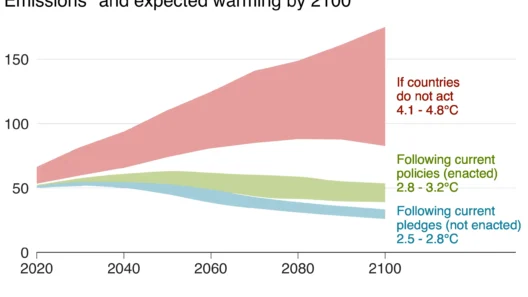
Furthermore, the industrial evolution has catapulted energy demands, leading to enhanced fossil fuel consumption. This combustion process mirrors cellular respiration on a macroscopic scale—both processes oxidize carbon-based substrates to release energy while emitting CO2. Notably, industrial activities and transportation have nearly tripled atmospheric CO2 concentrations compared to pre-industrial levels. This raises alarm, as increased CO2 levels are inextricably linked with global warming through the greenhouse effect, thereby intensifying climate aberrations.
Moreover, it is paramount to underscore the role of land use in this context. The conversion of forests to agricultural land or urban centers not only diminishes carbon sinks (trees and soil that absorb CO2) but also augments the amount of CO2 released into the atmosphere. Herein lies the contradiction: while plants undergo cellular respiration—releasing CO2 as they metabolize energy for growth—they simultaneously sequester greater amounts of carbon during photosynthesis. However, when forested areas are destroyed, this symbiotic process is irrevocably altered. The net effect constitutes a catastrophic rise in atmospheric greenhouse gases, exacerbating the global warming crisis.
Interestingly, the interdependence between cellular respiration and climate extends beyond carbon outputs to include nitrous oxide and methane emissions—two potent greenhouse gases. Agriculture, particularly livestock farming, introduces these gases into the atmosphere through processes akin to cellular respiration. For instance, when ruminant animals digest food, they produce methane as a byproduct, which possesses a global warming potential significantly greater than that of CO2 over a defined time frame. Thus, the metabolic processes involved necessitate a reexamination of agricultural practices and their environmental implications.
Ultimately, the intrinsic connection between cellular respiration and climatic changes propels the urgent need for sustainable energy solutions and methodologies. The exploration of bioenergy, particularly the harnessing of plant-based biomass, could not only mitigate greenhouse gas emissions but also enhance the sustainability of energy practices. As photosynthetic pathways are intricately tied to respiration and energy production, they offer a dual advantage: they sequester CO2 while simultaneously providing renewable energy resources.
The implications of understanding this relationship are far-reaching. It beckons a reconsideration of current energy paradigms and agricultural practices, urging the adoption of regenerative approaches. Practices such as reforestation, sustainable farming methods, and improved waste management necessitate widespread implementation to restore ecological balance. The renaissance of local food systems offers an opportunity to mitigate the carbon costs associated with transportation while bolstering community resilience.
Advancements in technology also provide tools that can potentially recalibrate our environmental trajectory. For instance, carbon capture and storage technologies emerge as a promising avenue for abating carbon emissions released during cellular respiration-like processes occurring on a global scale. By capturing CO2 before it disperses into the atmosphere, such technologies can provide interim solutions while systemic changes are enacted.
In conclusion, cellular respiration serves as more than just a fundamental biological process; it is a critical component in the grand tapestry of climate dynamics. The intricate interplay between respiration, energy production, and greenhouse gas emissions underscores the imperative for holistic environmental stewardship. As pressing as the discourse on energy sources and agricultural practices is, it is equally essential to foster awareness regarding the unseen connections that govern our planetary climate. By forging a robust alliance between biological understanding and environmental action, society can chart a sustainable future in the face of climate adversity. Embracing such interconnected perspectives cultivates informed actions that resonate across ecological, economic, and social dimensions, fostering a resilient and adaptable world.